



N.Y. MTA restores train service to Rockaways after Sandy
The MTA has performed more than $75 million worth of work to restore subway service to the Rockaways, and has spent an additional $9 million to operate replacement bus and subway shuttle service.

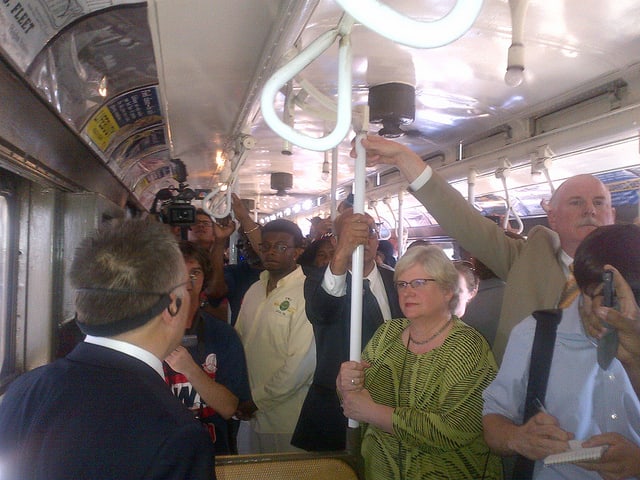
MTA New York City Transit operated a R1/9 Nostalgia Train on Thursday, May 30, 2013, to help inaugurate the return of A Train service to the Rockaway Peninsula after Hurricane Sandy.
MTA Photo/ Kevin Ortiz
New York Metropolitan Transportation Authority (MTA) subway service to the Rockaways resumed today for the first time since Hurricane Sandy devastated the area last October.
Federal Transit Administrator Peter Rogoff, MTA representatives and local elected officials reopened the line with a ceremonial ride from Howard Beach to the Rockaways onboard a vintage IND subway train. There, they greeted customers and welcomed them onto a newly rebuilt subway line.
The MTA has performed more than $75 million worth of work to restore subway service to the Rockaways, and has spent an additional $9 million to operate replacement bus and subway shuttle service. Hundreds of millions of dollars’ worth of additional infrastructure work remains to fully restore all elements of the Rockaway line to the condition it was in before Sandy struck. Funding was supplied by the Federal Transit Administration, which has allocated almost $3.8 billion to date to help the MTA recover from Sandy.
The MTA served Rockaways customers during months of construction by trucking a small fleet of subway cars to the Rockaways, where they served as the free H shuttle along a portion of the line. A free shuttle bus ran between the Far Rockaway and Howard Beach stations, and extra buses were assigned to other routes in the Rockaways. However, many customers experienced longer and far more crowded rides.
The 3.7-mile stretch of the A Line between the Howard Beach and Broad Channel stations is the most exposed area in the New York City subway network. For much of this distance, the line runs between Jamaica Bay and the Jamaica Wildlife Refuge. Both scenic and vulnerable, the low-lying line absorbed punishing blows from a combination of high tide and surging waters from the bay.
Sandy sent waters crashing over and under the tracks, twisting steel rails, destroying the electrical and signal infrastructure and washing out hundreds of feet of track support. Saltwater inundated everything that remained, leaving behind tons of wreckage and a monumental cleanup and repair job, according to the MTA.
To rebuild from this catastrophic damage, construction contractors and transit employees worked virtually nonstop since early November, removing debris, filling in washouts, repairing track, and replacing signals and wiring in an effort to repair an historic level of damage, MTA officals said.
Figures associated with the repair job include:
• Mobilized more than 45 pieces of heavy equipment for cleanup and reconstruction efforts
• Located and delivered over 20,000 tons of new material including track ballast stone, Rip Rap stone and Jetty stone
• Removed more than 3,000 tons of debris from the site
• Installed 600 of steel sheeting at the major breach to restore the fresh water pond
• Installed over 20,000 linear feet of new fencing
• Delivered and poured more than 3,000 cubic yards of concrete to fill and repair the two major breaches, the largest of which was 270 feet across
The Rockaway branch of the A Line was originally built by the Pennsylvania Railroad as part of what is now the Long Island Rail Road.
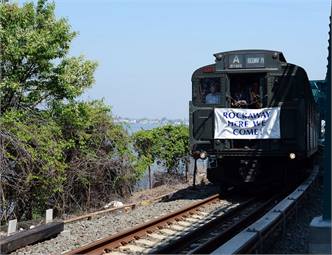
A ceremonial Nostalgia Train crosses the South Channel Bridge on its way to Rockaway Park. Photo: MTA New York City Transit / Marc A. Hermann
More Management
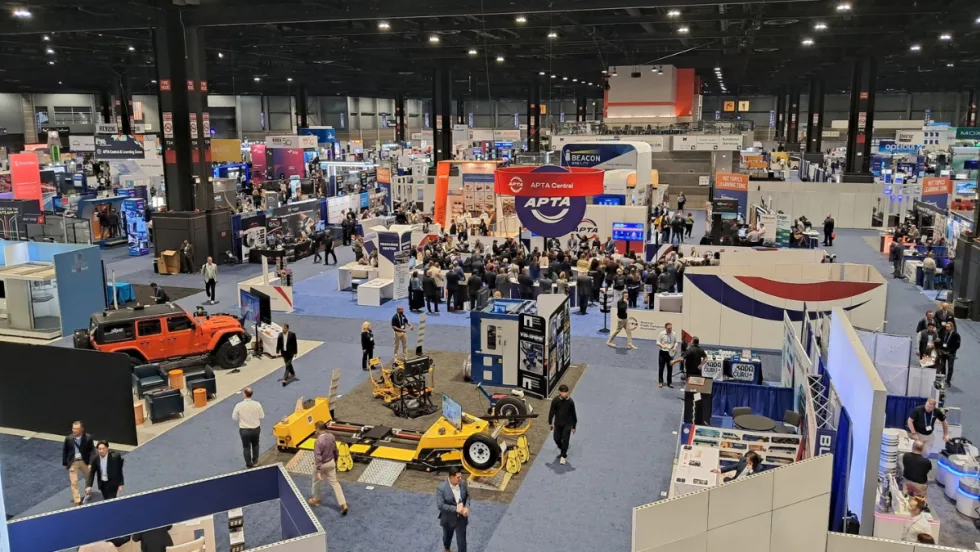
APTA 2026 TRANSform & EXPO Kicks Off in Chicago
After 45 years, APTA returns to Chicago with a focus on next-generation fleets, AI, connected transit networks, and the funding strategies shaping public transportation’s future.
Read More →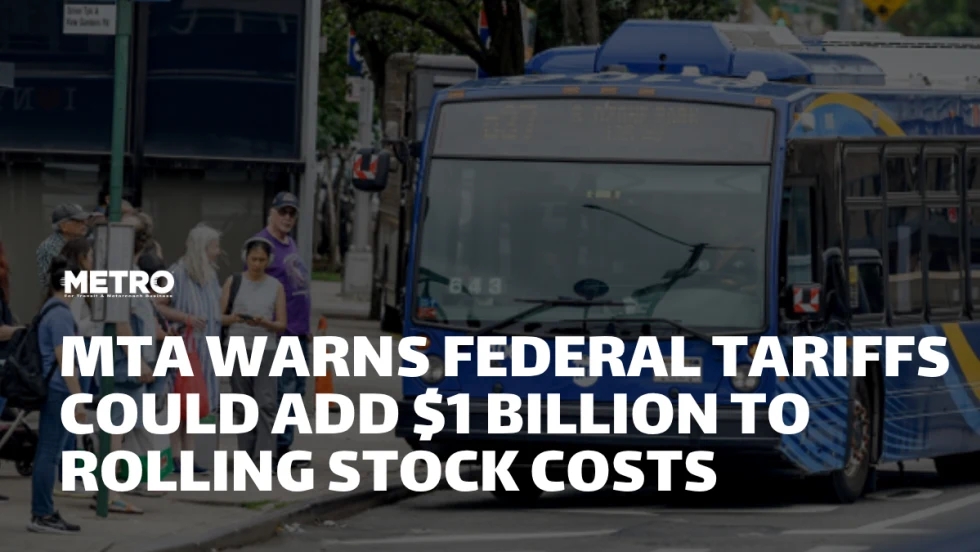
New York MTA Warns Federal Tariffs Could Add $1 Billion to Rolling Stock Costs
The agency said tariffs on specialized imported components could reduce the purchasing power of its $23 billion investment in new subway cars, railcars, and buses.
Read More →
From the Show Floor: What’s Happening at APTA TRANSform & EXPO 2026
Follow the latest product launches, partnerships, technology updates, and transit industry announcements coming out of APTA TRANSform & EXPO in Chicago.
Read More →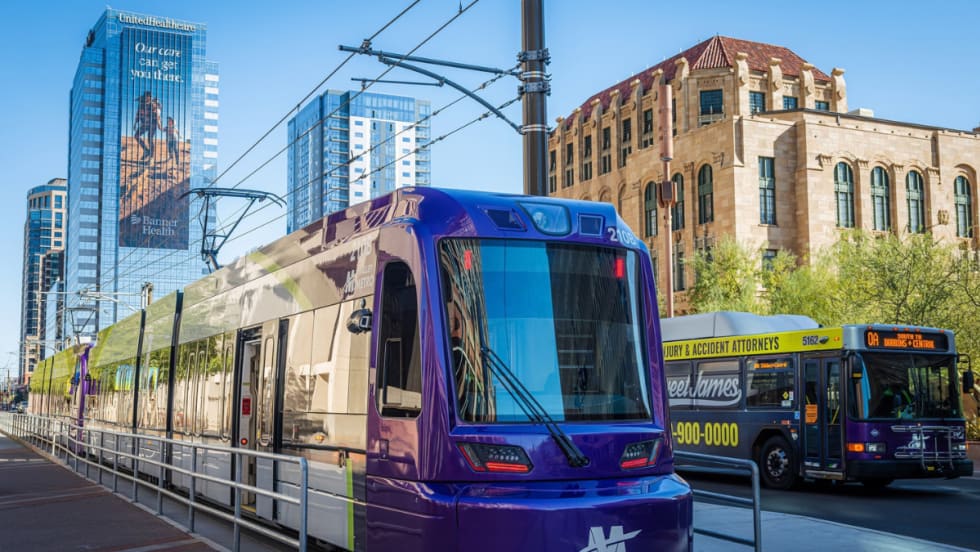
How Valley Metro Is Balancing Transit Growth With the Rider Experience
The APTA award-winning agency is pairing rapid system expansion with investments in workforce, safety, technology, and the fundamentals of transit service.
Read More →
Bus Tech Talk: Keeping Transit Technicians Ahead of the Technology Curve
In this episode of Bus Tech Talk, Complete Coach Works’ Business Development Manager Mark Hollenbeck and METRO’s Executive Editor Alex Roman sit down with Obed Mejia, Senior Technical Trainer for Bus Maintenance, at LA Metro to discuss how rapidly evolving bus technology is changing the maintenance shop — and the skills technicians need to keep pace.
Read More →
Michael Schneider Joins Paslay Group to Expand Transportation Practice
The longtime transportation executive will help Paslay Group grow its advisory and program management work across transit, highway, and other infrastructure sectors.
Read More →
People Movement: Connectpoint Expands Leadership Team, Stadler Names New Group CEO, and More
In this edition, we also spotlight recent personnel moves at Burns, UZURV, and more, highlighting the people taking on new roles across the transportation industry.
Read More →
More Than a Summer Job: Building the Next Generation of Transit Talent
The Delaware River Port Authority and PATCO have transformed their internship program into a hands-on professional development experience that introduces students to the breadth of transportation careers — and creates a pipeline for future employees.
Read More →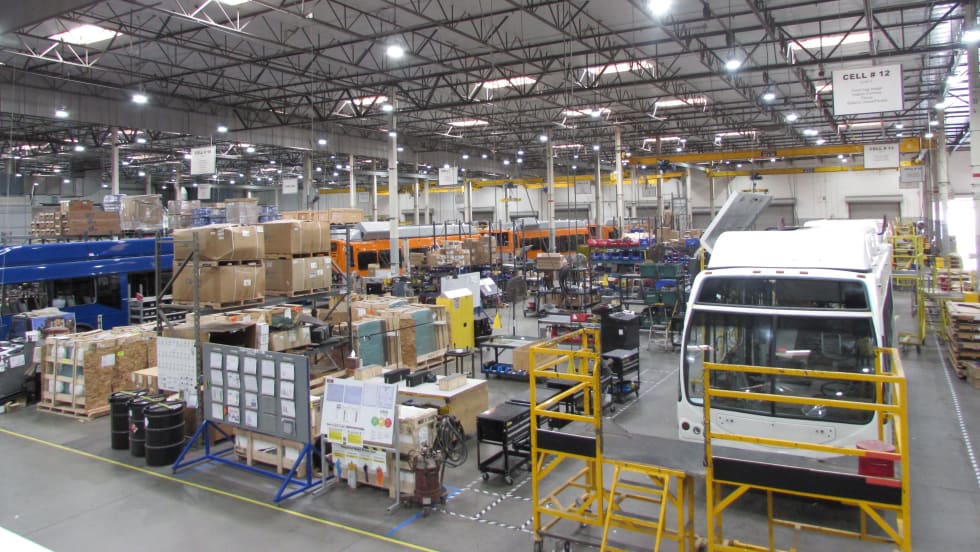
LA Metro Board Awards 220 Battery-Electric Bus Contract to ENC
The contract, which is the largest base award of battery-electric buses by a U.S. transit agency, will be built in Southern California, sustaining good jobs as LA prepares to welcome the world in 2028
Read More →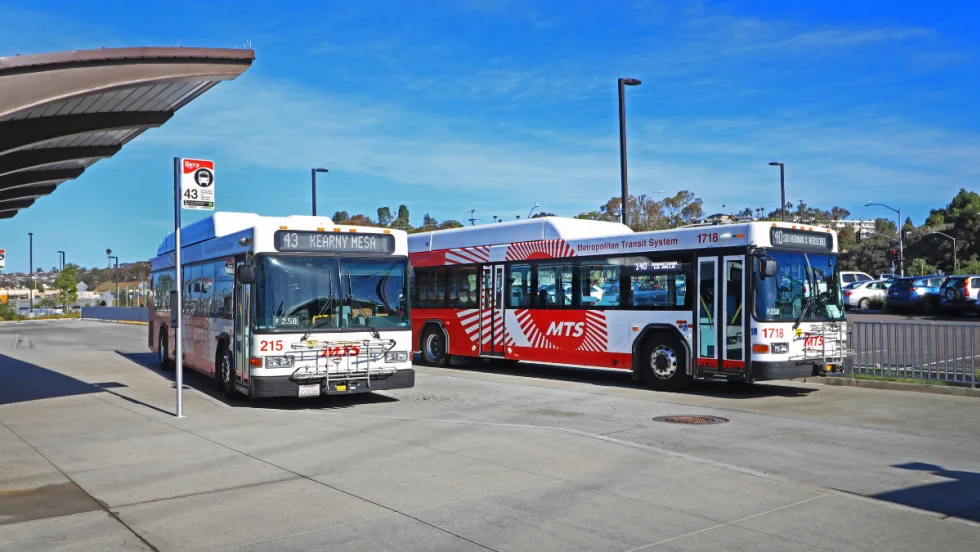
What’s Behind San Diego MTS’s Award-Winning Transit Strategy
Named one of APTA’s 2026 Outstanding Public Transportation Systems with 50 million or more annual passenger trips, California’s San Diego Metropolitan Transit System points to gains in ridership, safety, technology, and reliability as foundations of its success.
Read More →