



SacRT chief Li honored as 'Best Transit CEO in North America'
Oversaw transformation of culture to “Customers First and Business Optimization,” and improving organizational performance.

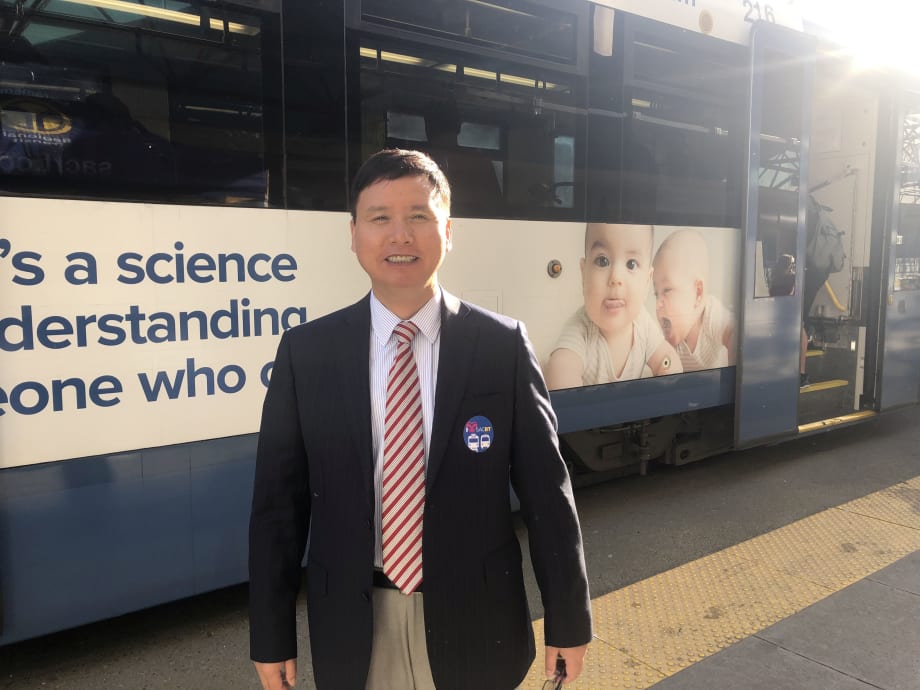
Since becoming GM/CEO of Sacramento Regional Transit District in July 2016, Henry Li has been credited for the solid, rapid and comprehensive transformation of the agency that has been praised by the Sacramento community and the transit industry nationwide.
SacRT
Since becoming GM/CEO of Sacramento Regional Transit District in July 2016, Henry Li has been credited for the solid, rapid and comprehensive transformation of the agency that has been praised by the Sacramento community and the transit industry nationwide.
SacRT
Henry Li, Sacramento Regional Transit District’s (SacRT) GM/CEO, received the 2019 Outstanding Public Transportation Manager Award from the American Public Transportation Association (APTA).
This prestigious and highly competitive award, described by APTA as the equivalent of an Oscar award to the industry, is presented to a manager who has made outstanding contributions to the advancement of public transportation in North America.
“His leadership at SacRT has created phenomenal results not only in the quality of service, but also in the restoration of positive financial ratings, increase in ridership, implementation of innovations, and the rebuilding of public trust," said APTA President and CEO Paul P. Skoutelas. " It takes a true leader with a focused vison to achieve the impressive results seen in his three year term at SacRT.”
SacRT
Li’s selection is a testament to his vision, dedication and leadership to take SacRT to the next level as a world-class transit agency, according to officials.
He implemented historic improvements over the last three years as GM/CEO, including ridership growth for SacRT, despite the industry struggling with downward trends.
He is highly praised by the Sacramento community and the industry for implementing a solid and comprehensive transformation of SacRT in record speed.
Li has proved to be a powerful change agent, overseeing a massive transformation to a solid culture of “Customers First and Business Optimization,” and dramatically improving key aspects of organizational performance, including safety, security, cleanliness, fiscal health, rail system modernization, service reliability, customer satisfaction, and ridership improvements.
Some of Li’s major accomplishments include:
1. Developed industry best in class safety and security performance as demonstrated by receiving the Gold Standard Award, the highest recognition given to a transit agency, from the Transportation Security Administration (TSA). SacRT achieved a remarkable score of 98% in all 17 security and emergency preparedness categories and now has one of the lowest crime rates in the industry.

Li's accomplishments include jump-starting a comprehensive rail system modernization and expansion initiative.
SacRT
2. Jump-started a comprehensive rail system modernization and expansion initiative, which includes investing in new low-floor rail vehicles, revitalizing aging infrastructure, implementing new technologies to improve reliability and safety, modernizing stations and expanding the system.
3. Challenged the traditional governmental operations to function more like a business-oriented enterprise by implementing transformative improvement initiatives; dramatically turning around a negative financial situation to achieve a cost-avoidance of $75 million; addressing a decade-long trend of depleted reserves by building a $20 million and growing reserve fund; and pioneering a transit oriented development program leading to thousands of new housing units within a short proximity of transit.
4. Developed an inspirational vision and top-notch leadership team to pursue excellence on all fronts with strong transparency and accountability. Fostered a strong regional collaboration that led to annexation and/or unification of peer transit systems within the greater six-county Sacramento region to promote customer-friendly and integrated mobility solutions for regional economic growth, traffic congestion mitigation, and air quality and environmental improvement.
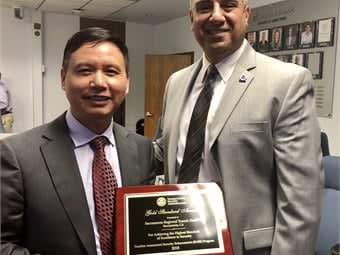
SacRT among agencies recognized with TSA's Gold Standard Award in 2019. TSA Federal Security Director Sid Hanna (right) presented the award to SacRT’s GM/CEO Henry Li.
SacRT
5. Actively pursued forward-thinking and innovative solutions to improve the customers experience, such as on-demand microtransit, mobile apps, micro-mobility options, an electric and autonomous vehicles; developing the framework for future Mobility as a Service (MaaS) to create industry best practices.
6. Re-imagined and optimized SacRT’s bus network, which had not been updated in 30 years. Dubbed as SacRT Forward, the redesigned bus routes, to be launched in September, features more frequent and direct service, seven days a week and more late night service.
“I am truly humbled and grateful to receive this honor, but this is genuinely about the community and our commitment to improving mobility in our region,” said Li. “It is through the leadership and support from the Board, the hard work and dedication of our employees and the collaboration and support from riders, community stakeholders and advocates that we have been able to achieve transformational successes.”
More Management

VIA, MBTA Reach Pre-Pandemic Ridership Milestones as Transit Use Climbs
VIA surpasses three million monthly trips for the first time since 2020, while the MBTA tops one million average weekday trips as both agencies report continued ridership growth.

People Movement: Metrolink's Kettle Announces Retirement, Feakins to CEO at UZURV, and More
In this edition, we also cover recent appointments and announcements at King County Metro, SilverRide, and more, showcasing the individuals helping to shape the future of transportation.

How Gen Z's Changing Mobility Habits Are Reshaping Public Transit
As younger generations embrace multimodal mobility over private vehicles, transit agencies can rethink station design, the passenger experience, and public transportation's role in building connected communities.
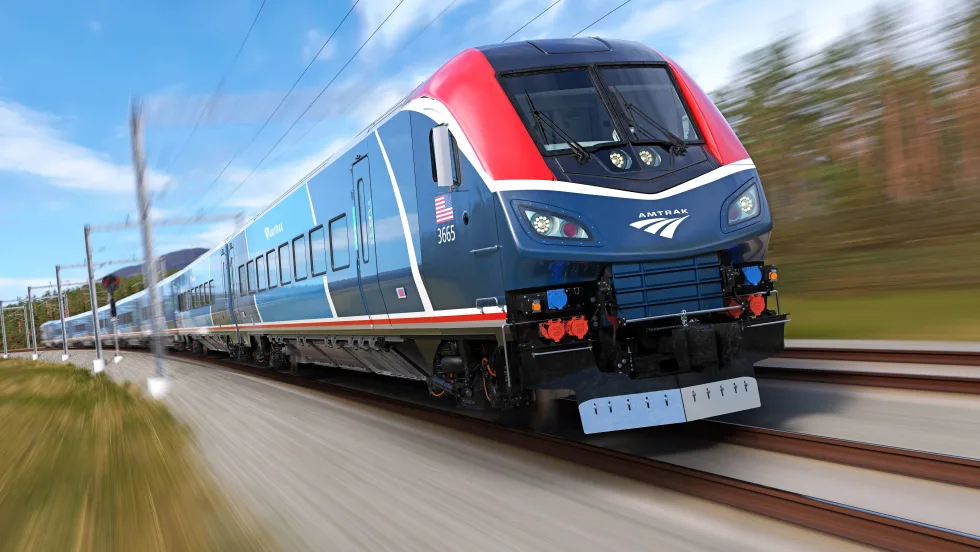
Amtrak Expands Airo Fleet with Eight Higher-Capacity Trainsets
The new 10-car trains, expected to enter service in 2031, will provide about 34% more seating capacity to meet growing demand on the Northeast Corridor.

APTA Urges FTA to Withdraw Proposed Capital Investment Grants Guidance
The association warns that proposed changes could delay transit projects, reduce federal funding, and create new hurdles for 47 projects currently in the CIG pipeline.
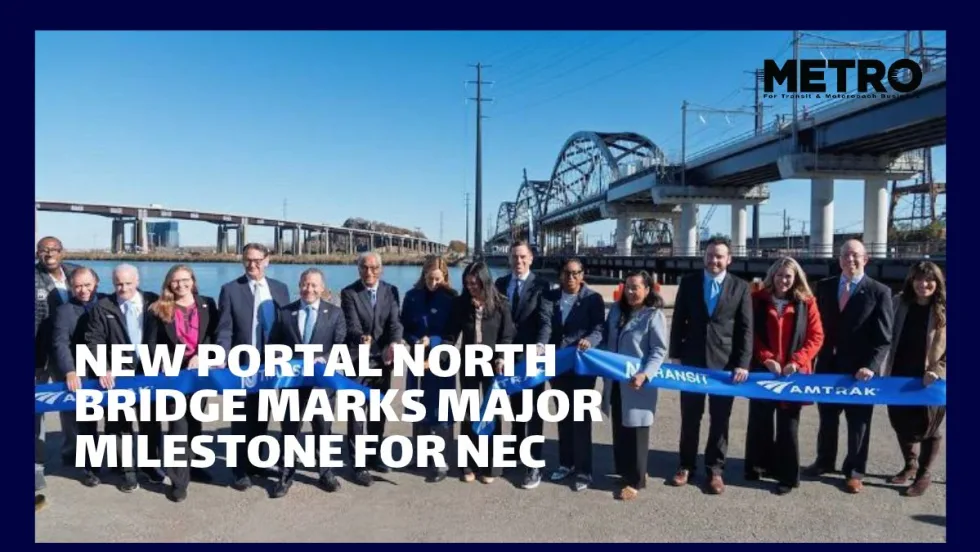
Amtrak, NJ TRANSIT Launch Full Service on New Portal North Bridge
The completion of the two-track bridge over the Hackensack River eliminates a longstanding source of delays for NJ TRANSIT and Amtrak customers. It marks a major milestone for the Gateway Program.
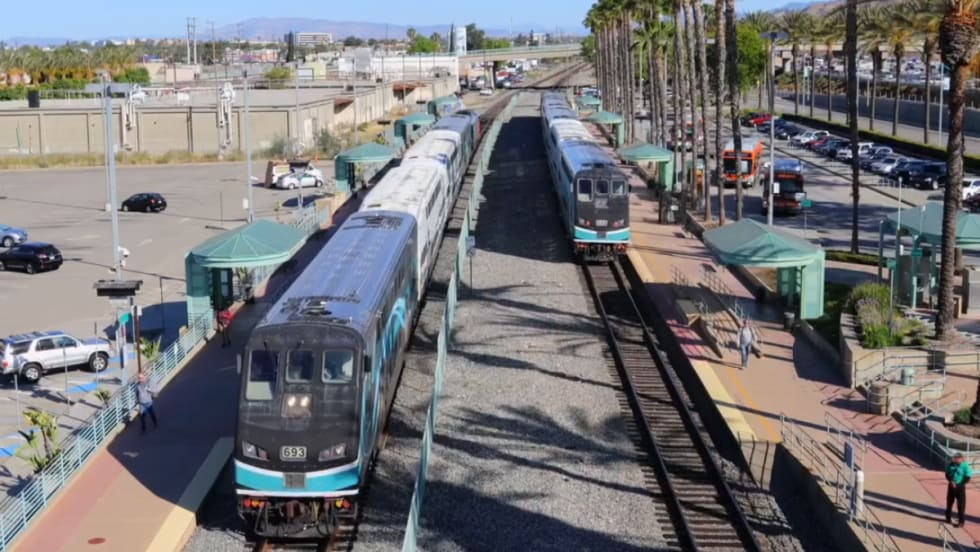
Southern California’s Metrolink Approves $508.8M Budget, Avoids Service Cuts
A $20 million state allocation allows the regional rail agency to maintain existing weekday and weekend service through fiscal year 2028, although longer-term funding challenges remain.
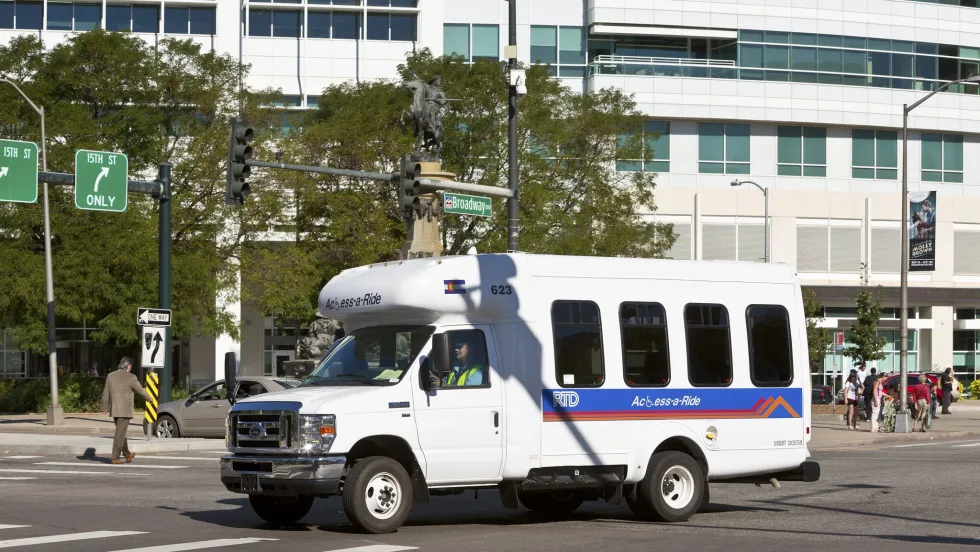
Denver RTD Committee to Review Paratransit Services, Improve Accessibility
The committee will oversee an independent study of paratransit operations, gather customer feedback, and recommend improvements to service reliability, accessibility, and accountability.
Castro to Lead RTC of Southern Nevada and More in People Movement
In this edition, we also cover recent appointments and announcements at the STV, MCI, and more, showcasing the individuals helping to shape the future of transportation.
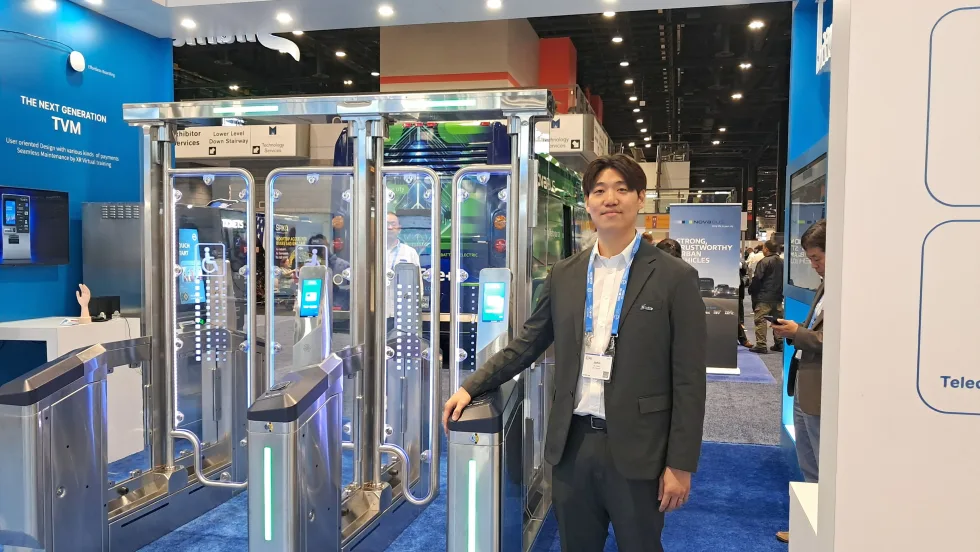
STraffic Expands North American Presence with Fare Collection Technology
John Moon, Associate Director, Product Strategy at STraffic, discusses the company's growth in North America, its efforts to reduce fare evasion, and more.