



RTD estimates its ridership has dropped 60% due to COVID-19
The agency is working to quantify the effects the pandemic is having on its ridership and solidify actual ridership figures.

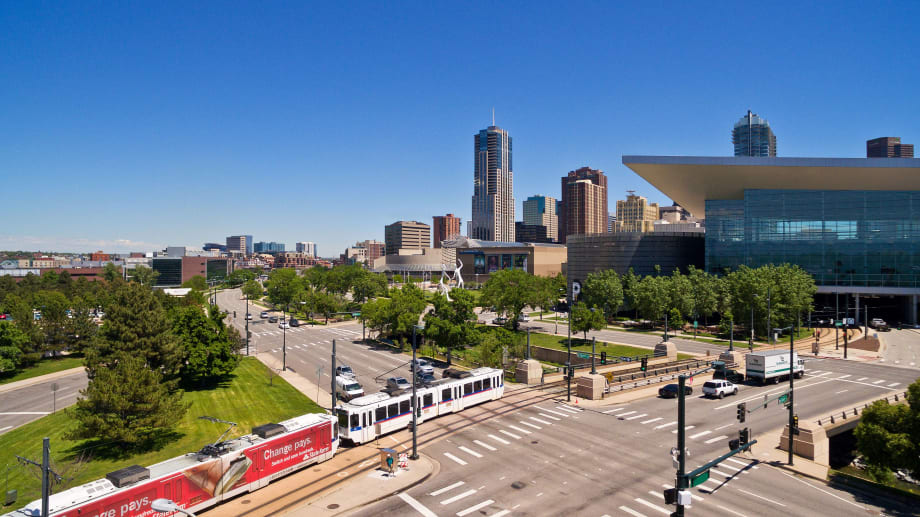
RTD is now providing about 139,000 trips each weekday, compared with 347,800 weekday trips one year ago. Denver RTD
Denver’s Regional Transportation District (RTD) estimates that ridership on its system has dropped about 60% through Wednesday as a result of the COVID-19 pandemic, based upon informal counts by staff across the transit system.
RTD is now providing about 139,000 trips each weekday, compared with 347,800 weekday trips one year ago. The agency is working to quantify the effects the pandemic is having on its ridership and solidify actual ridership figures. For comparison, transit agencies across the U.S. have reported they are experiencing a drop in ridership ranging from 45-80%.
“We are monitoring our ridership daily to watch for emerging trends,” said RTD interim GM/CEO Paul Ballard. “During these challenging times, we must be nimble while also continuing to serve our customers, especially those who rely on us.”
RTD is committed to providing service to its customers, many of whom are transit dependent. It also recognizes the importance of continuing to serve healthcare workers and other professionals whose work is critical in fighting this disease.
RTD’s Access-a-Ride paratransit service also has seen a steady decline in bookings. While average weekday trip demand is typically around 3,000 trips per day, with a 3% to 4% cancellation rate on the day of service, trip numbers this week are lower — and cancellation rates are higher:
Monday: 1,808 trips booked, 26% cancellation rate
Tuesday: 1,277 trips booked, 20% cancellation rate
Wednesday (through mid-afternoon): 1,098 trips booked, 17% cancellation rate
As of Thursday, Access-a-Ride will suspend five-day advance bookings and allow customers to only book next-day trips.
More Management

NITA Names New Leadership, Expands Reduced-Fare Program at First Board Meeting
The new regional transit authority appointed its first board chair and interim executive director while extending reduced fares across CTA, Metra, and Pace for eligible riders.
Read More →
Beyond the Checklist: A Structured Approach to Transit Maintenance
Reliability-Centered Maintenance helps transit agencies move beyond routine checklists to focus limited resources on the assets and failures that have the greatest impact on safety, reliability, and service.
Read More →
APTA 2026 Nominating Committee Selects Leadership Slate, Names Chair and Vice Chair Nominees
Leadership changes will help shape the association’s priorities and its representation of the transportation industry during the 2026–2027 term.
Read More →

DART Launches Major Security, Fare Enforcement Initiative
The 90-day demonstration will deploy coordinated security teams at five light rail stations while testing controlled access and gathering data to guide future investments.
Read More →
Advancing Fare Collection Through Technology and Innovation
Learn about delivering 1300 gates at 91 stations while managing fare evasion. Explore the large scale deployment, solution customization and real-world results that affect the region. Prepare for deployment in your region now.
Read More →
Game Day in Motion: Moving Millions During the 2026 World Cup
Between packed transit stations and team motorcoaches, see how agencies and operators across North America tackled the transportation demands of the 2026 FIFA World Cup.
Read More →
Surface Transportation Extension Averts Shutdown, Leaves Transit Funding Gap
The stopgap keeps federal transportation programs moving, but missing advance funding could complicate the transit and rail projects agencies are planning next.
Read More →
Bus Tech Talk: Keeping Transit Technicians Ahead of the Technology Curve
LA Metro’s Obed Mejia discusses technician training, evolving maintenance technology, fleet replacement, and strategies for getting the most out of today’s transit fleets.
Read More →
Why Simulating Pedestrian Movement Has Become Essential for Modern Rail Stations
Pedestrian microsimulation is helping rail planners identify bottlenecks, test station designs, and prepare complex transit hubs for growing passenger volumes.
Read More →
People Movement: Holly Arnold Joins Transdev and More
In this edition, we also cover recent appointments and announcements at Pace, CamTran, MCI, and more, showcasing the individuals helping to shape the future of transportation.
Read More →