



Proposed FMCSA rule aims to close information gap with clearinghouse info
The proposed changes are intended to improve highway safety by increasing compliance with existing drug and alcohol program requirements.

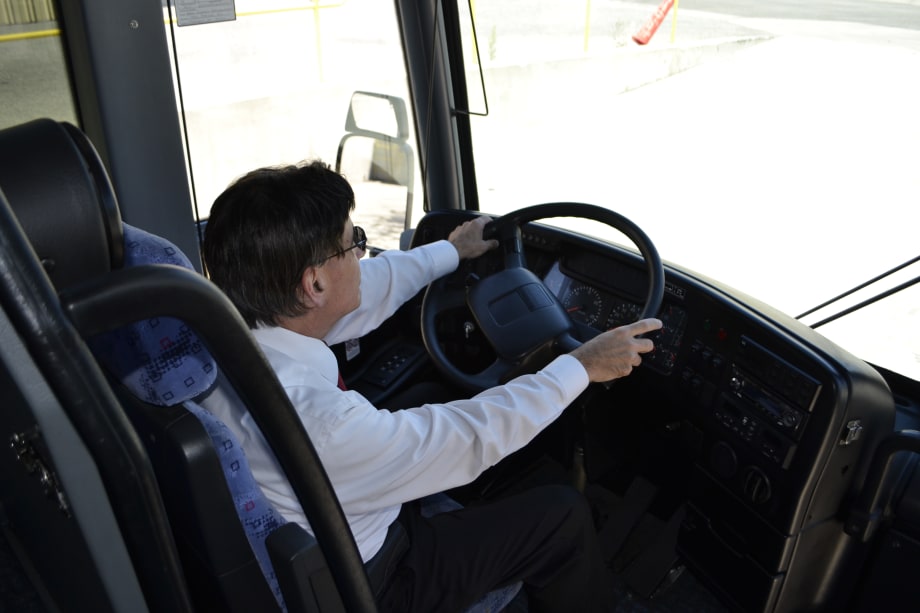
The FMCSA is seeking comment on alternate proposals that would establish additional ways that SDLAs would use information, obtained through the Drug and Alcohol Clearinghouse.
The FMCSA is seeking comment on alternate proposals that would establish additional ways that SDLAs would use information, obtained through the Drug and Alcohol Clearinghouse.
The Federal Motor Carrier Safety Administration (FMCSA) has issued a Notice of Proposed Rulemaking (NPRM) to tighten current regulations intended to keep commercial vehicle drivers with substance abuse violations from being licensed by closing an information gap with real-time information from the Drug and Alcohol Clearinghouse.
According to the Federal Register docket, the proposed rule would prevent State Driver’s Licensing Agencies (SDLAs) from “issuing, renewing, upgrading, or transferring a commercial driver’s license (CDL), or commercial learner’s permit (CLP), for individuals prohibited under current regulations from driving a commercial motor vehicle (CMV) due to controlled substance (drug) and alcohol program violations. The CMV driving ban is intended to keep these drivers off the road until they comply with return-to-duty (RTD) requirements.”
The FMCSA's proposal also plans to update how reports of actual knowledge violations, based on a citation for Driving Under the Influence (DUI) in a commercial motor vehicle, would be maintained in the Drug and Alcohol Clearinghouse, according to the docket. The proposed changes are intended to improve highway safety by increasing compliance with existing drug and alcohol program requirements.
The proposed rulemaking would help with enforcement and improve compliance with existing regulations, prohibiting commercial motor vehicle drivers with substance abuse violations from operating a CMV or performing other safety-sensitive functions until completing return-to-duty requirements listed in part 40, subpart O, the docket states.
Historically, the CMV driving prohibition has mainly been self-enforcing, with the FMCSA mostly relying on the drivers and their employers to comply. The reason, the docket notes, is that before the Drug and Alcohol Clearinghouse was established, the agency did not have real-time access to drug and alcohol program violations of CDL holders.
The Drug and Alcohol Clearinghouse final rule addressed that information gap so that, based on violations reported to the clearinghouse, FMCSA can now provide certain state enforcement personnel real-time notice of the driver’s prohibited driving status. However, the information gap regarding SDLAs still exists. The proposed rulemaking would, according to the docket, establish how and when SDLAs would access and use driver-specific information from the clearinghouse to keep CMV drivers who violate drug and alcohol use testing rules off the road until they complete RTD requirements.
As previously reported, starting in 2020, the clearinghouse database has served as a central repository containing records of violations of FMCSA’s drug and alcohol testing program by CDL holders.
The 2016 final rule primarily addressed how motor carrier employers and their service agents will interact with the clearinghouse by accessing and adding drug and alcohol testing information to a driver’s record. Although that final rule did incorporate the statutory requirement that SDLAs check the clearinghouse before renewing or issuing a CDL, it did not otherwise address the SDLAs’ use of clearinghouse information for drivers licensed or seeking to become licensed in their state, according to the docket. The proposed NPRM responds to operational questions and legal issues identified by state licensing agencies both individually and through the American Association of Motor Vehicle Administrators, following publication of the final rule.
The FMCSA is seeking comment on alternate proposals that would establish additional ways that SDLAs would use information, obtained through the Drug and Alcohol Clearinghouse, to increase compliance with the commercial motor vehicle driving prohibition.
The deadline for submitting comments is June 29. Comments may be submitted online here, or by mail or courier. For more information, read the docket in full here.
This story originally appeared in School Bus Fleet
More Motorcoach

From Surviving to Thriving: Building Stronger Transportation Organizations
Bus Business Consultants founder Brian Dickson shares lessons on leadership, organizational health, and creating options for long-term success in a changing transportation industry.
Read More →
Report: Canadian Motorcoach Industry Generates $4.4B in Economic Impact
The 2025 Motorcoach Economic Impact Report finds motorcoach travel supported nearly 25,000 jobs and generated $980 million in federal, provincial, and local taxes.
Read More →
Prevost Opens Expanded Chicago-Area Service Center
The $8.1 million Elk Grove Village investment nearly triples facility space while adding service capacity, parts storage, and customer amenities.
Read More →
People Movement: Dan Dipert Coaches Adds Third-Generation Leader, Keolis Names New Valley Metro VP/GM, and More
In this edition, we also cover recent appointments and announcements at the Wabtec, SilverRide, HNTB, and more, showcasing the individuals helping to shape the future of transportation.
Read More →
METRO Opens Submissions for 2026 Motorcoach Awards
Nominations are now being accepted for METRO Magazine’s Operator of the Year and Innovative Operator of the Year awards.
Read More →
Biz Briefs: Alstom Lands Canadian Contract, LYT to Supply California TSP, and More
In METRO's latest installment, we take a look at recent news from Complete Coach Works, Beep, FlixBus, and more partnerships making headlines across the transportation sector.
Read More →
Biz Briefs: RIPTA Unveils New Frontrunners, Clevland RTA Adds New Siemens, and More
In METRO's latest installment, we take a look at recent news from Siemens, Prevost, Dodge, and more partnerships making headlines across the transportation sector.
Read More →
People Movement: Holly Arnold Joins Transdev and More
In this edition, we also cover recent appointments and announcements at Pace, CamTran, MCI, and more, showcasing the individuals helping to shape the future of transportation.
Read More →
ABA Report: Motorcoach Travel Generates $161.6B Economic Impact
The 2025 analysis finds motorcoach travel supported nearly 900,000 jobs and generated $28 billion in federal, state, and local taxes.
Read More →
CharterUP’s Armir Harris on Technology, AI, and the Future of Group Mobility
In a recent episode of METROspectives, CharterUP Founder/CEO Armir Harris discussed the company’s evolution from an online charter bus marketplace into a technology platform supporting public- and private-sector mobility and much more.
Read More →