




RELATED: INIT modernizes Portland-Vancouver fare payment system
INIT adds open payments system to Portland-Vancouver fare system
The plan offers riders greater social equity, and provides more cost-effective transport options for travel throughout the Portland-Vancouver Metropolitan Area.
August 23, 2017
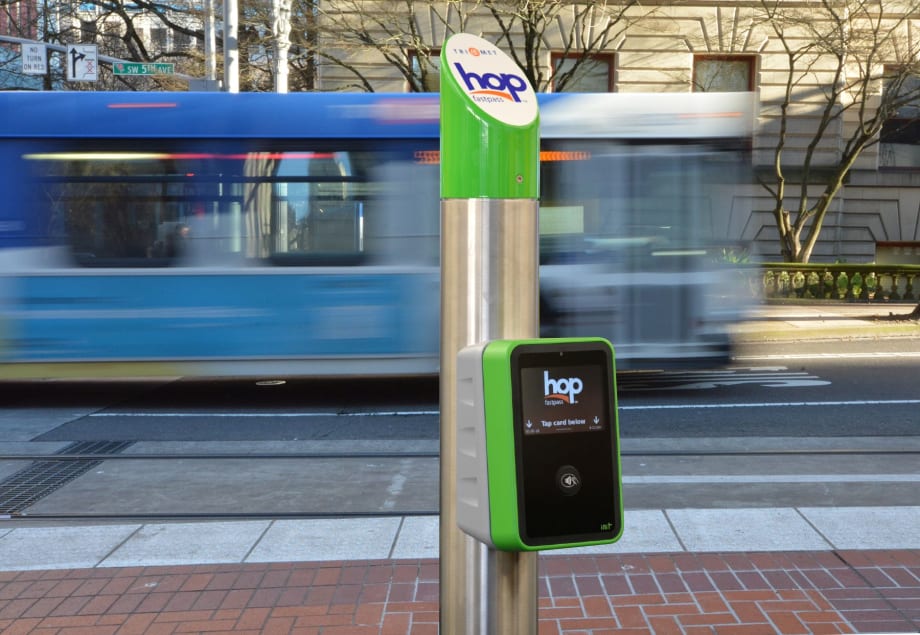
Regional riders can now pay for fares using a mobile wallet, such as AndroidPay, ApplePay, or SamsungPay, as well as any contactless bank card.
3 min to read
Regional riders can now pay for fares using a mobile wallet, such as AndroidPay, ApplePay, or SamsungPay, as well as any contactless bank card.
In partnership with TriMet, C-TRAN, and Portland Streetcar, INIT delivered the final element of the newly launched Hop Fastpass™ e-fare system — open fare payments.
Regional riders can now pay for fares using a mobile wallet, such as AndroidPay, ApplePay, or SamsungPay, as well as any contactless bank card. They simply tap their phone on any of the 1,200 INIT validators and hop on board the Portland Streetcar; C-TRAN buses including The Vine; TriMet’s buses; MAX light rail; and WES Commuter Rail.
Having the ability to pay with a credit card or mobile wallet frees riders from the worry associated with how many — or what kind of — tickets they should buy. They simply tap, hop on, and ride. In addition, Hop Fastpass™ cards offer daily and monthly fare capping so riders never have to worry about spending more than needed to take public transit. The plan offers riders greater social equity, and provides more cost-effective transport options for travel throughout the Portland-Vancouver Metropolitan Area.
INIT’s back-end processing software, MOBILEvario, serves as the core intelligence for the account-based and open payment fare system. It manages and processes fares in real-time and recognizes and processes revenue sharing, as well as manages accounts and automates reconciliations for all three agencies. Off-line processing is another added benefit of the INIT system. In the event of a network outage, fare payments can still be processed ensuring revenues are not lost.
“My vision was to build innovative, open payments, open architecture fare collection system for all of our regional riders,” says Chris Tucker, TriMet project manager. “We now have open payments, real-time fare calculation, daily and monthly fare capping, and seamless travel across three regional transit agencies and two states.”
INIT developed the system using open architecture API’s so that other partners could be easily incorporated. As an example, the IVR system and mobile apps were able to easily integrate with the INIT open payments e-fare system which benefited riders using the system with further tools and greater functionality.
TriMet and C-TRAN have the added benefit of a fully-integrated operations control and real-time passenger information system from INIT. The addition of the open payment e-fare component allows the agencies to realize a fully integrated Intelligent Transportation System. Due to INIT’s flexible and modular solution design, the e-fare module was installed within all Portland Streetcars without the need to interface with an operations control system.
“INIT has been an amazing partner, said Sean Donaghy, C-TRAN CEO. “The integrated approach they took helped us realize the launch of this modern and seamless open payments solution. What that means for our riders is they can move from the Streetcar to a TriMet bus, over to C-TRAN and all the way throughout the system with ease.”
The open payments system within the Portland-Vancouver Metropolitan Region was implemented within budget and on time.
More Management

People Movement: Cornell to UMA Board, Bandy to HDR, and More
In this edition, we also cover recent appointments and announcements at SilverRide, BAE Systems. and more, showcasing the individuals helping to shape the future of transportation.
VIA, MBTA Reach Pre-Pandemic Ridership Milestones as Transit Use Climbs
VIA surpasses three million monthly trips for the first time since 2020, while the MBTA tops one million average weekday trips as both agencies report continued ridership growth.
People Movement: Metrolink's Kettle Announces Retirement, Feakins to CEO at UZURV, and More
In this edition, we also cover recent appointments and announcements at King County Metro, SilverRide, and more, showcasing the individuals helping to shape the future of transportation.
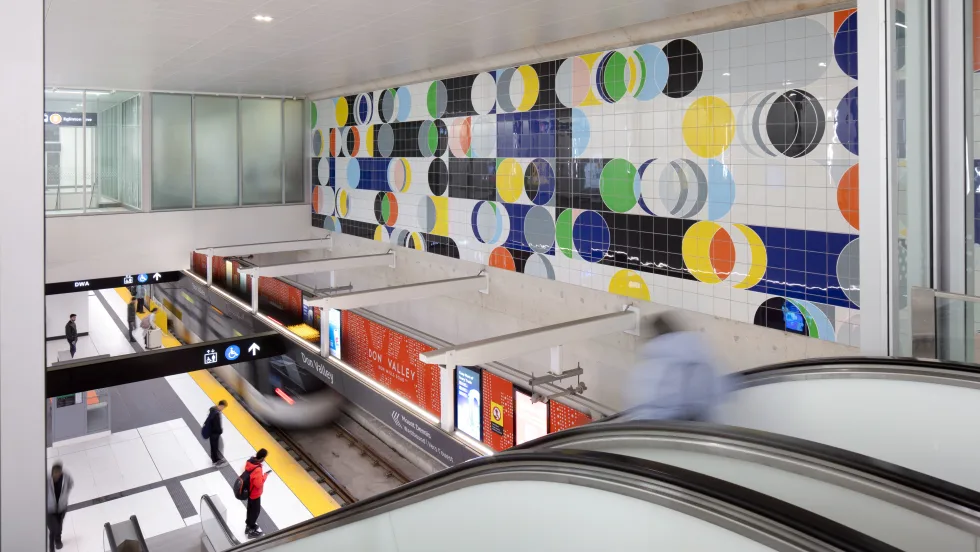
How Gen Z's Changing Mobility Habits Are Reshaping Public Transit
As younger generations embrace multimodal mobility over private vehicles, transit agencies can rethink station design, the passenger experience, and public transportation's role in building connected communities.
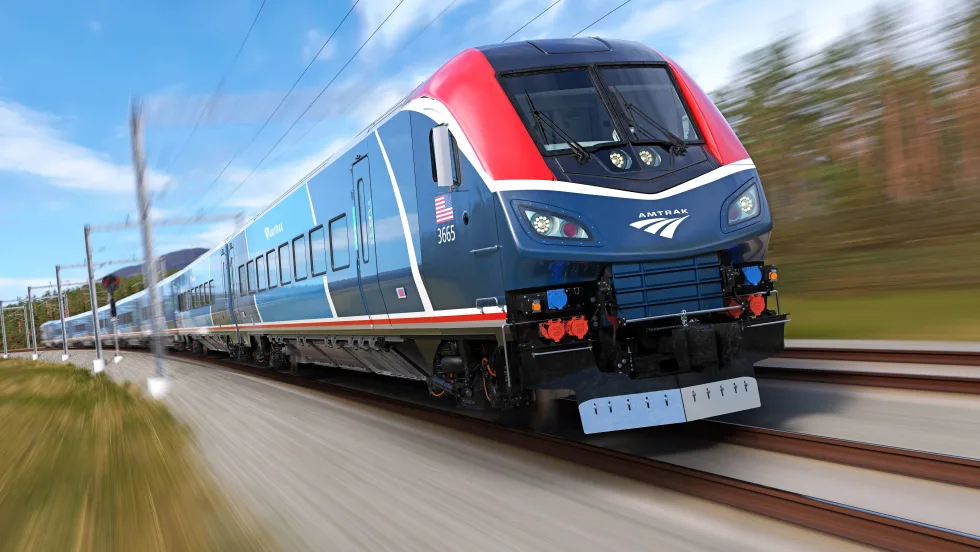
Amtrak Expands Airo Fleet with Eight Higher-Capacity Trainsets
The new 10-car trains, expected to enter service in 2031, will provide about 34% more seating capacity to meet growing demand on the Northeast Corridor.

APTA Urges FTA to Withdraw Proposed Capital Investment Grants Guidance
The association warns that proposed changes could delay transit projects, reduce federal funding, and create new hurdles for 47 projects currently in the CIG pipeline.
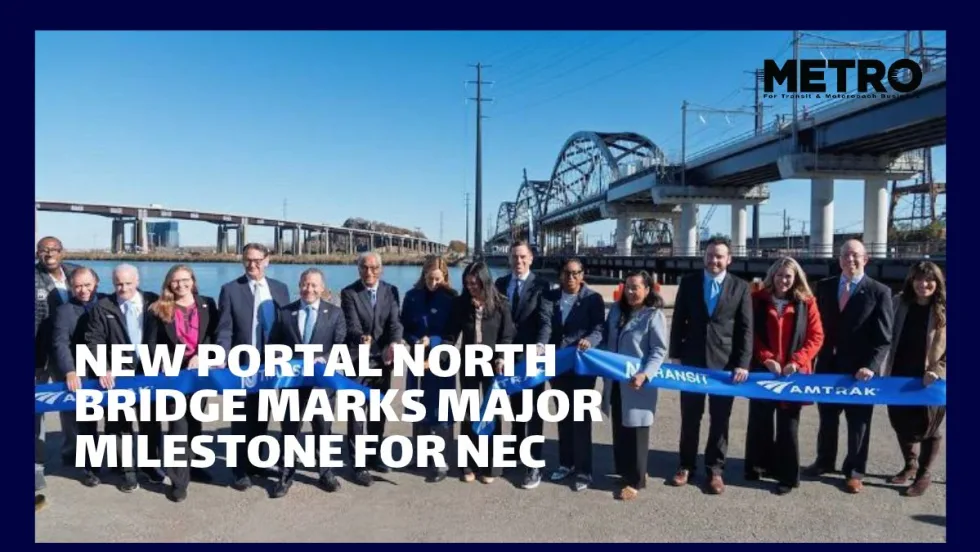
Amtrak, NJ TRANSIT Launch Full Service on New Portal North Bridge
The completion of the two-track bridge over the Hackensack River eliminates a longstanding source of delays for NJ TRANSIT and Amtrak customers. It marks a major milestone for the Gateway Program.
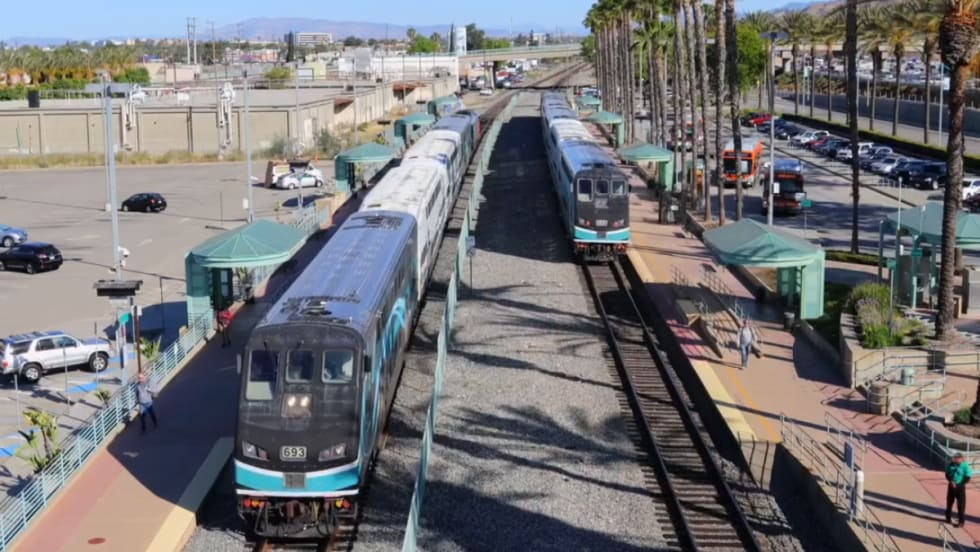
Southern California’s Metrolink Approves $508.8M Budget, Avoids Service Cuts
A $20 million state allocation allows the regional rail agency to maintain existing weekday and weekend service through fiscal year 2028, although longer-term funding challenges remain.
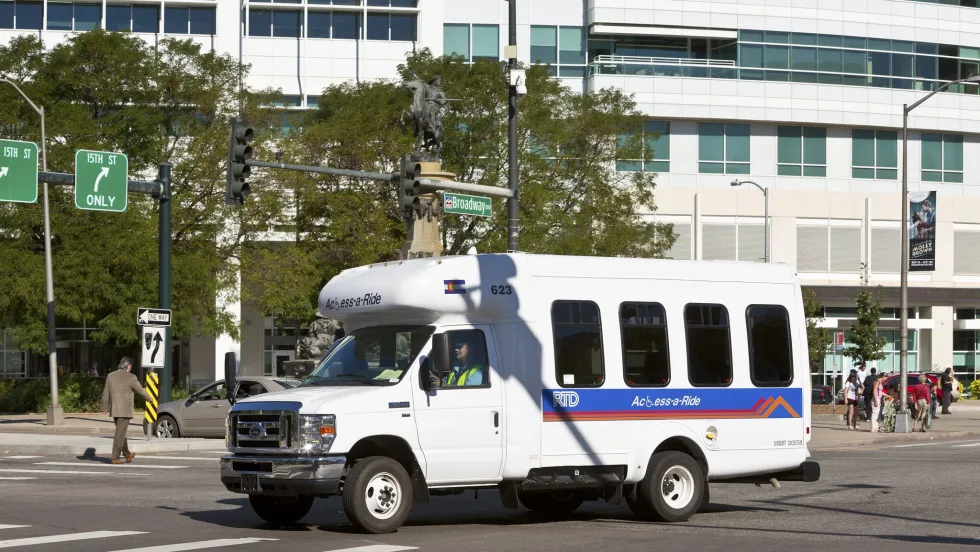
Denver RTD Committee to Review Paratransit Services, Improve Accessibility
The committee will oversee an independent study of paratransit operations, gather customer feedback, and recommend improvements to service reliability, accessibility, and accountability.

Castro to Lead RTC of Southern Nevada and More in People Movement
In this edition, we also cover recent appointments and announcements at the STV, MCI, and more, showcasing the individuals helping to shape the future of transportation.