



Southern California’s Metrolink Approves $508.8M Budget, Avoids Service Cuts
A $20 million state allocation allows the regional rail agency to maintain existing weekday and weekend service through fiscal year 2028, although longer-term funding challenges remain.

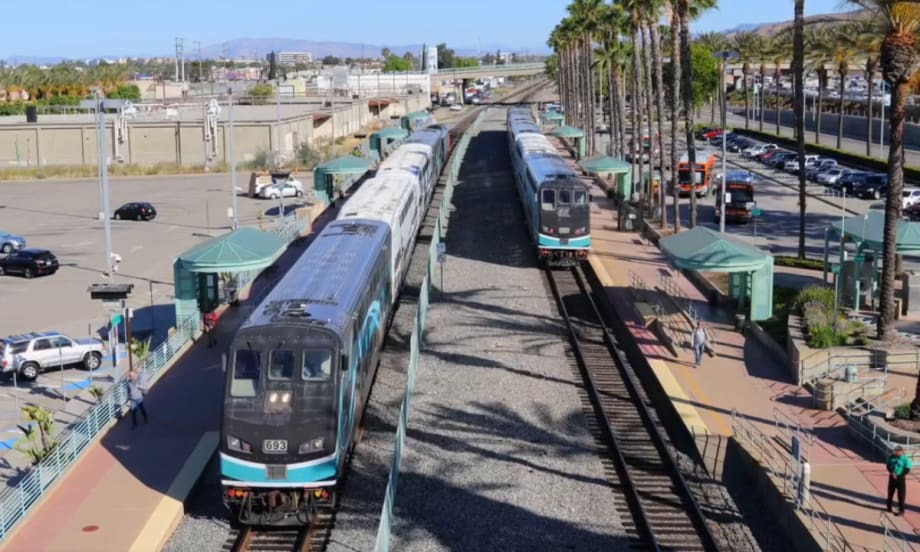
Metrolink has operated under a continuing budget resolution since July 1 while officials worked to address financial challenges and finalize the agency's annual spending plan.
Photo: Metrolink
- Metrolink approves a budget of $508.8 million to support its operations in Southern California.
- A $20 million allocation from the state will help sustain the current level of weekday and weekend services until the fiscal year 2028.
- The agency faces long-term funding challenges that could impact future operations beyond 2028.
*Summarized by AI
Southern California’s Metrolink approved a $508.8 million fiscal year 2027 budget that maintains current service levels and avoids proposed weekday and weekend reductions following a $20 million funding allocation from the California State Transportation Agency (CalSTA).
The additional funding, provided through a special allocation of flexible State Rail Assistance, will support the agency through fiscal year 2028 and allow Metrolink to preserve service for the nearly 700,000 passengers who ride the regional rail system each month.
The funding comes as Metrolink faces rising operating expenses, slower-than-expected ridership growth, and financial pressures affecting its member transportation agencies.
“When our service was at risk, customers, elected officials, business leaders and local organizations all came together to stand behind Metrolink,” Metrolink Board Chair Doug Chaffee said. “That outpouring speaks to the important role regional rail plays in connecting Southern California’s communities and strengthening our economic outlook.”
State Funding Prevents Proposed Service Reductions
Metrolink has operated under a continuing budget resolution since July 1 while officials worked to address financial challenges and finalize the agency's annual spending plan.
The agency previously identified internal cost savings and redirected a significant portion of its annual State Rail Assistance funding, typically used for capital projects, grant matching, and other non-routine expenses, toward daily operations.
Despite those measures, Metrolink had considered targeted schedule reductions that could have taken effect as early as January 2027. The state's $20 million allocation eliminates the immediate need for those reductions, allowing the agency to maintain its existing train schedules.
“This is a tremendous win for the thousands of Southern Californians and visitors who depend on Metrolink to get to work, school, and other essential destinations every day,” Metrolink CEO Darren Kettle said. “After months of uncertainty, this $20 million investment means we can maintain current service and provide the stability that our customers and communities expect and deserve.”
Budget Prioritizes Operations, Safety, and Infrastructure
The approved $508.8 million budget represents an approximately 0.65% increase over fiscal year 2026 spending. Of that total, $355.3 million is allocated to operations, while $153.5 million will support the agency's capital program.
The spending plan maintains an existing restriction on workforce growth, keeping staffing levels unchanged from the previous fiscal year.
Key priorities include continued investments in law enforcement partnerships, security personnel, fleet maintenance, and critical railroad infrastructure. The capital program also supports state-of-good-repair projects and other improvements intended to maintain system safety and reliability.
Long-Term Funding Challenges Remain
Although the additional state funding provides near-term financial stability, officials said Metrolink continues to face questions about how to sustain operations beyond fiscal year 2028.
The agency operates as a joint powers authority supported by transportation agencies in five Southern California counties. Metrolink officials said its funding structure, combined with limited annual reserves, leaves it vulnerable to rising costs and changes in ridership and member-agency contributions.
The one-time allocation addresses the immediate budget shortfall but does not establish a permanent funding source for future operations.
Metrolink added that the agency will continue working to address its longer-term financial needs while maintaining regional rail service and accessibility for customers.
Quick Answers
Metrolink approved a $508.8 million budget, allowing the agency to maintain current service levels.
*Summarized by AI
More Rail
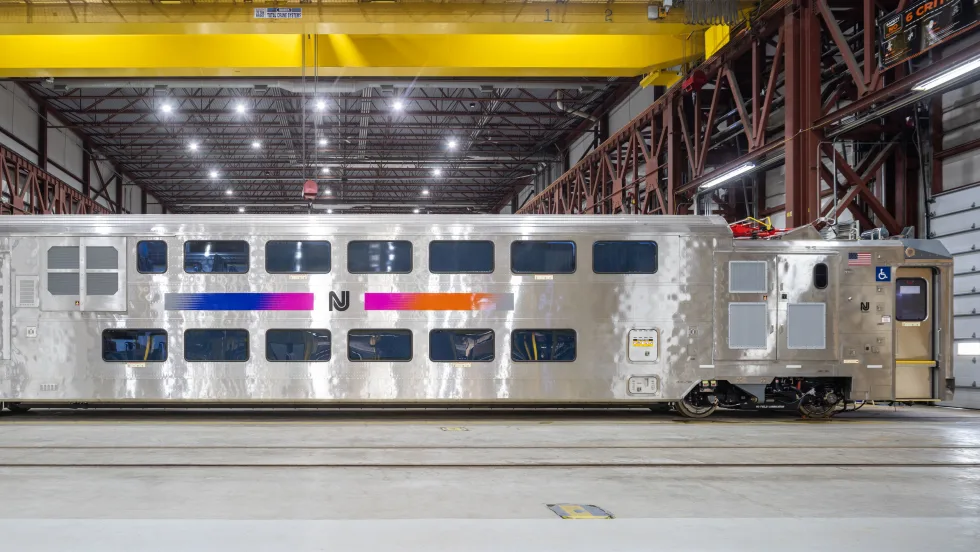
NJ TRANSIT Approves $65.6M for Hudson-Bergen Light Rail Improvements
The funding marks the first phase of a planned $250 million investment over five years to modernize stations, overhaul vehicles, and improve system reliability and passenger safety.
Read More →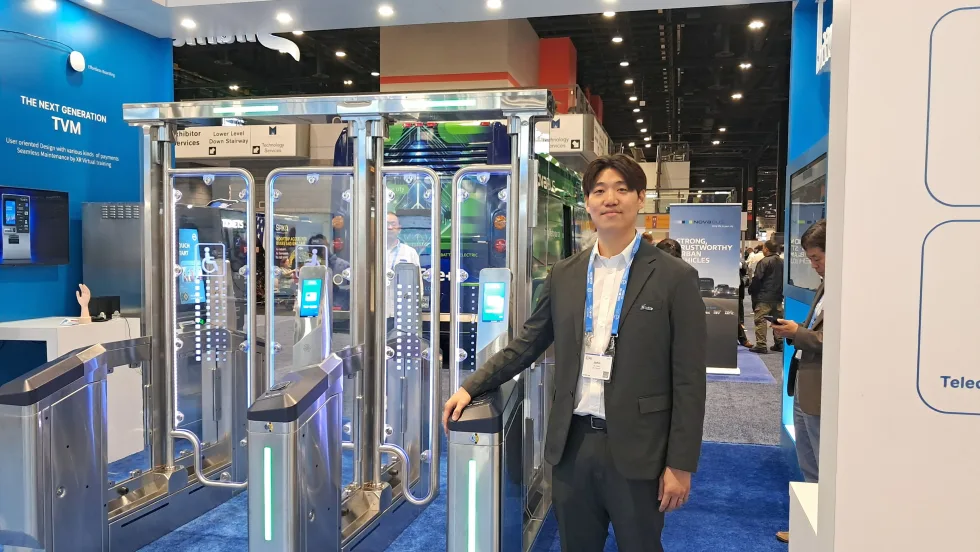
STraffic Expands North American Presence with Fare Collection Technology
John Moon, Associate Director, Product Strategy at STraffic, discusses the company's growth in North America, its efforts to reduce fare evasion, and more.
Read More →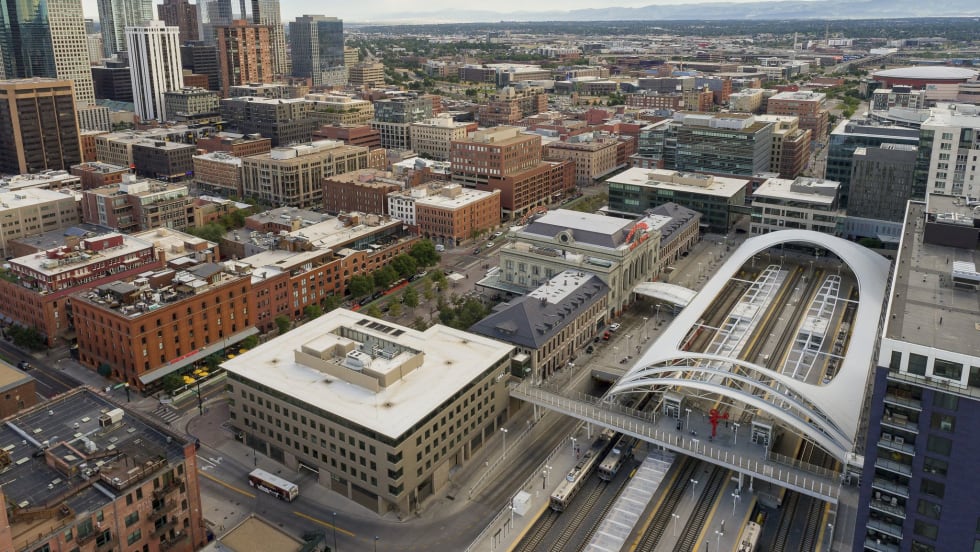
Study: Denver RTD Generates $2.1 Billion in Annual Economic Activity
An economic impact study finds the agency supports approximately 17,500 jobs, delivers $1.6 billion in annual community and mobility benefits, and generates $2.42 in economic value for every dollar invested.
Read More →
Mark Aesch Nominated to Lead Federal Transit Administration
The former Rochester transit chief and TransPro founder, who has also contributed to METRO Magazine, brings decades of industry experience and a focus on performance, accountability, and financial sustainability to the nomination.
Read More →
Transit Expands Agency Partnerships, Reaching 200 Official App Partners
COO Jake Sion discusses Transit’s growth, the success of its Transit Royale program, and how technology is helping agencies improve the rider experience.
Read More →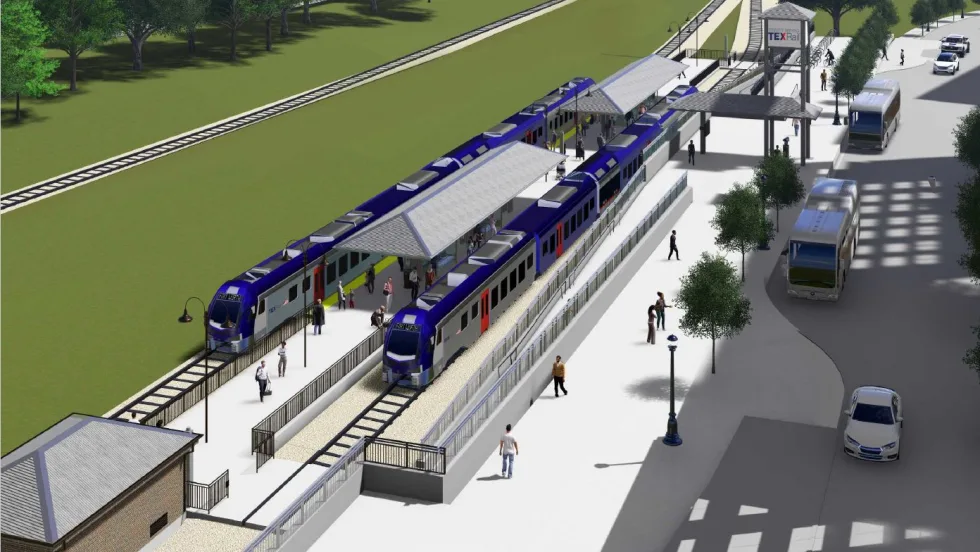
Trinity Metro Breaks Ground on $270M TEXRail Extension
The 2.1-mile extension will connect Fort Worth’s Medical District and Near Southside to downtown, surrounding communities, and Dallas-Fort Worth International Airport.
Read More →
Bringing Austin’s First Light Rail System to Life
Austin Transit Partnership CEO Greg Canally discusses the city's nearly 10-mile light rail project, its collaborative approach to project delivery, the importance of community engagement, and the milestones ahead as construction approaches in 2027.
Read More →
Metra Draft Plan Outlines Costs, Service Improvements for Regional Rail
The Systemwide Network Plan identifies infrastructure needs and potential investments to expand all-day, bidirectional rail service across the Chicago region.
Read More →
Amtrak Completes First Street Tunnel Upgrades, Restores Service
The nine-day construction project included replacing aging track infrastructure and modernizing switch systems near Washington Union Station.
Read More →
FRA Announces $2.3B for Passenger, Freight Rail Projects Nationwide
The CRISI Grant Program funding will support rail infrastructure improvements, safety upgrades, and projects aimed at improving freight and passenger rail service across 45 states and Washington, D.C.
Read More →