



Amtrak, NJ TRANSIT Launch Full Service on New Portal North Bridge
The completion of the two-track bridge over the Hackensack River eliminates a longstanding source of delays for NJ TRANSIT and Amtrak customers. It marks a major milestone for the Gateway Program.

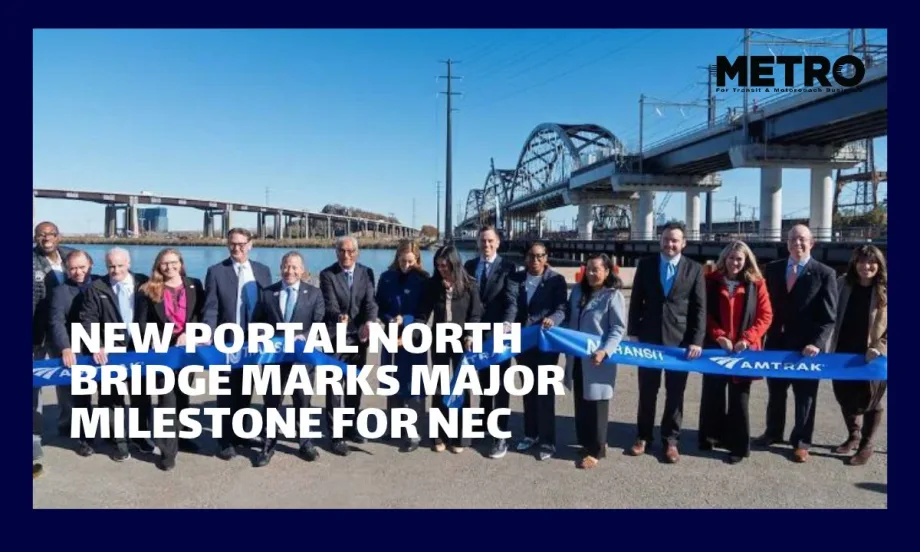
Replacing the aging Portal Bridge addresses one of the Northeast Corridor's longstanding operational bottlenecks.
Amtrak/METRO
- Amtrak and NJ TRANSIT have launched full service on the new two-track bridge over the Hackensack River.
- The completion of this bridge helps eliminate delays for both NJ TRANSIT and Amtrak customers.
- This milestone is an important part of the broader Gateway Program.
*Summarized by AI
NJ TRANSIT and Amtrak officials joined New Jersey Governor Mikie Sherrill to celebrate the completion of the Portal North Bridge in Kearny, New Jersey, with both tracks now in full service after a five-week cutover.
The milestone officially retires the 116-year-old Portal Bridge, a swing bridge over the Hackensack River that has long caused delays along the Northeast Corridor, the nation's busiest passenger rail corridor.
The new two-track, fixed-span bridge rises 50 feet above the Hackensack River, doubling the previous clearance and allowing marine traffic to pass underneath without interrupting rail operations, officials said.
“New Jersey commuters deserve to get to work on time and get home to their families without a century-old bridge holding up the entire Northeast Corridor,” Gov. Sherrill said. “With both tracks of the Portal North Bridge now in service, we are eliminating a major source of delays and delivering the reliable transportation our residents and economy depend on.”
The bridge's completion is also a significant milestone for the larger Gateway Program, which is designed to improve rail infrastructure and eventually double rail capacity between Newark, N.J., and New York City.
Improving Northeast Corridor Reliability
Replacing the aging Portal Bridge addresses one of the Northeast Corridor's longstanding operational bottlenecks.
Unlike the original swing bridge, which opened to accommodate marine traffic, the new fixed-span structure allows trains to operate without bridge openings that could disrupt service.
The modern bridge is also designed to improve operational resilience and support future capacity growth along the corridor.
“Today, our customers begin benefiting from a generational investment that will make their trips more reliable for decades to come,” said NJ TRANSIT President/CEO Kris Kolluri. “The new Portal North Bridge permanently removes a chronic source of delays, allowing marine traffic to pass beneath the bridge without interrupting the trains carrying our customers to work, home and everywhere in between.”
Rail Service Returns to Normal
The transition from the original Portal Bridge to the new structure was completed in two phases during 2026.
The first phase began February 13 and concluded March 15, transferring service to the first track of the new bridge while the original swing bridge remained operational.
Work on the second and final track began October 9 and concluded November 16, completing the transition to the new structure, officials said.
With the cutover complete, weekday diversions of Midtown Direct service to Hoboken have ended, along with temporary cross-honoring arrangements. Full service has resumed between Newark and Secaucus.
Major Investment in Regional Rail Infrastructure
The Portal North Bridge project covers 2.44 miles of the Northeast Corridor and includes retaining walls, deep foundations, concrete piers, structural steel spans, and rail systems.
In October 2021, NJ TRANSIT awarded a nearly $1.56 billion construction contract to the Skanska/Traylor Bros PNB Joint Venture, representing the largest single construction award in the agency's history.
The project received funding from the U.S. Department of Transportation, New Jersey, New York, and Amtrak.
Federal funding included a $766.5 million commitment from the Federal Transit Administration, secured through a Full Funding Grant Agreement announced in January 2021.
The project is the first of the Gateway Program's 11 projects to reach completion.
“The completion of the new Portal North Bridge is a milestone for the history books,” said Gateway Development Commission CEO Tom Prendergast. “Together with the Hudson Tunnel Project, we are making meaningful progress towards a stronger transportation network and proving that we can deliver on the promise of a new day for American infrastructure.”
With both tracks now operational, the next phase will involve dismantling the original Portal Bridge, scheduled for 2027.
The completed replacement is expected to provide more reliable service for NJ TRANSIT and Amtrak customers while supporting future improvements to rail capacity and connectivity throughout the Northeast Corridor.
Quick Answers
The new Portal North Bridge is significant as it eliminates a longstanding source of delays for NJ TRANSIT and Amtrak customers.
*Summarized by AI
More Rail
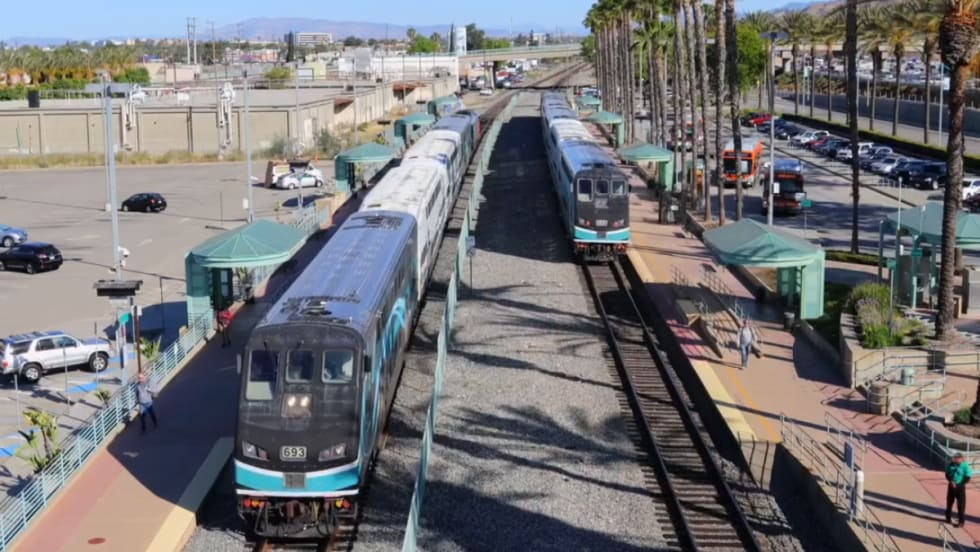
Southern California’s Metrolink Approves $508.8M Budget, Avoids Service Cuts
A $20 million state allocation allows the regional rail agency to maintain existing weekday and weekend service through fiscal year 2028, although longer-term funding challenges remain.
Read More →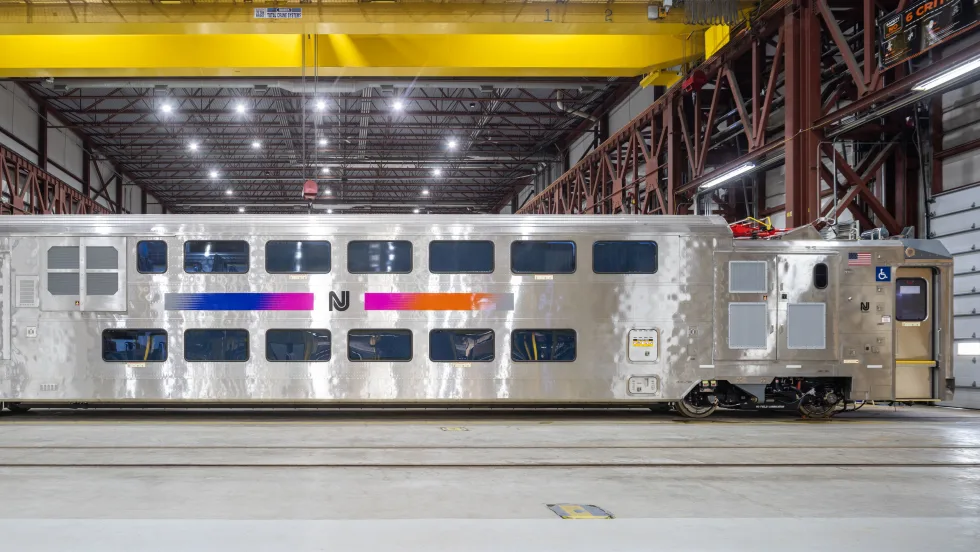
NJ TRANSIT Approves $65.6M for Hudson-Bergen Light Rail Improvements
The funding marks the first phase of a planned $250 million investment over five years to modernize stations, overhaul vehicles, and improve system reliability and passenger safety.
Read More →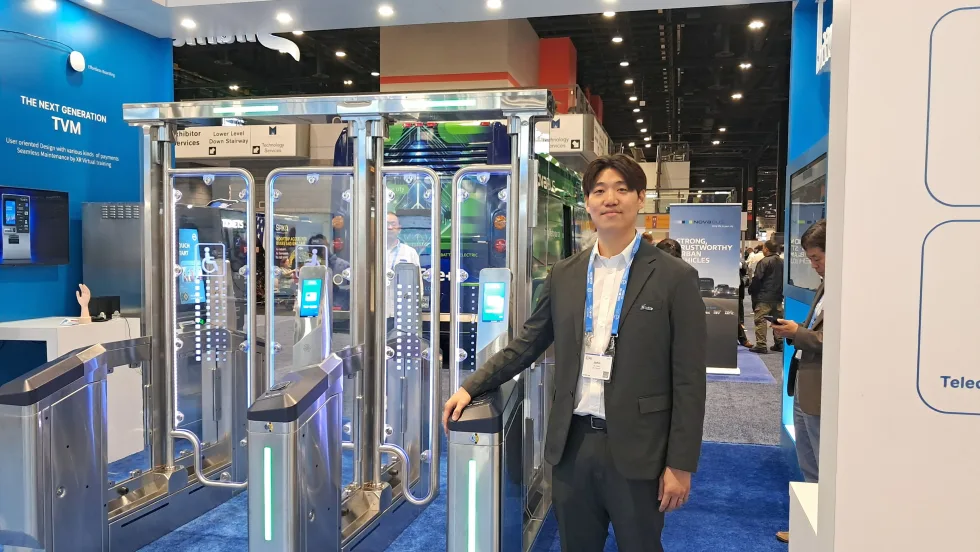
STraffic Expands North American Presence with Fare Collection Technology
John Moon, Associate Director, Product Strategy at STraffic, discusses the company's growth in North America, its efforts to reduce fare evasion, and more.
Read More →
Study: Denver RTD Generates $2.1 Billion in Annual Economic Activity
An economic impact study finds the agency supports approximately 17,500 jobs, delivers $1.6 billion in annual community and mobility benefits, and generates $2.42 in economic value for every dollar invested.
Read More →
Mark Aesch Nominated to Lead Federal Transit Administration
The former Rochester transit chief and TransPro founder, who has also contributed to METRO Magazine, brings decades of industry experience and a focus on performance, accountability, and financial sustainability to the nomination.
Read More →
Transit Expands Agency Partnerships, Reaching 200 Official App Partners
COO Jake Sion discusses Transit’s growth, the success of its Transit Royale program, and how technology is helping agencies improve the rider experience.
Read More →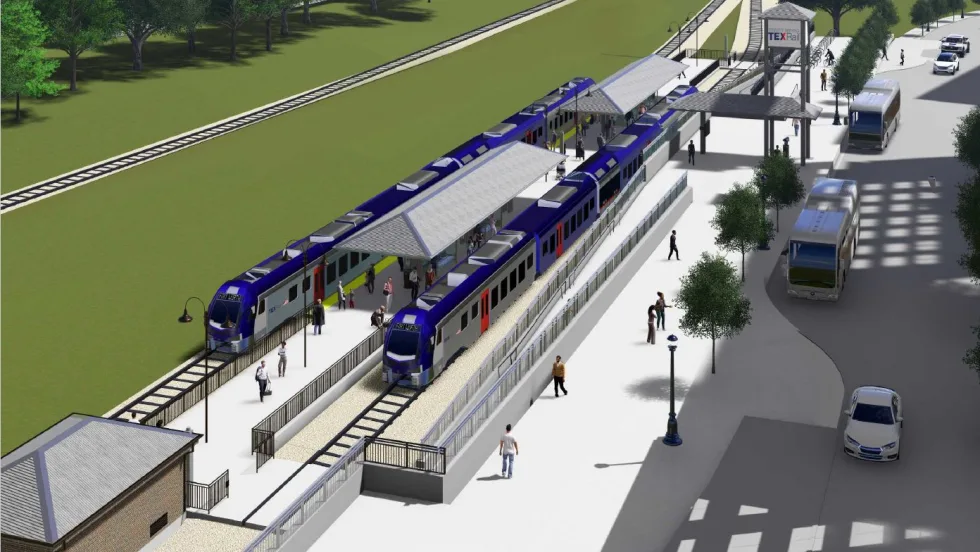
Trinity Metro Breaks Ground on $270M TEXRail Extension
The 2.1-mile extension will connect Fort Worth’s Medical District and Near Southside to downtown, surrounding communities, and Dallas-Fort Worth International Airport.
Read More →
Bringing Austin’s First Light Rail System to Life
Austin Transit Partnership CEO Greg Canally discusses the city's nearly 10-mile light rail project, its collaborative approach to project delivery, the importance of community engagement, and the milestones ahead as construction approaches in 2027.
Read More →
Metra Draft Plan Outlines Costs, Service Improvements for Regional Rail
The Systemwide Network Plan identifies infrastructure needs and potential investments to expand all-day, bidirectional rail service across the Chicago region.
Read More →
Amtrak Completes First Street Tunnel Upgrades, Restores Service
The nine-day construction project included replacing aging track infrastructure and modernizing switch systems near Washington Union Station.
Read More →