



How Gen Z's Changing Mobility Habits Are Reshaping Public Transit
As younger generations embrace multimodal mobility over private vehicles, transit agencies can rethink station design, the passenger experience, and public transportation's role in building connected communities.

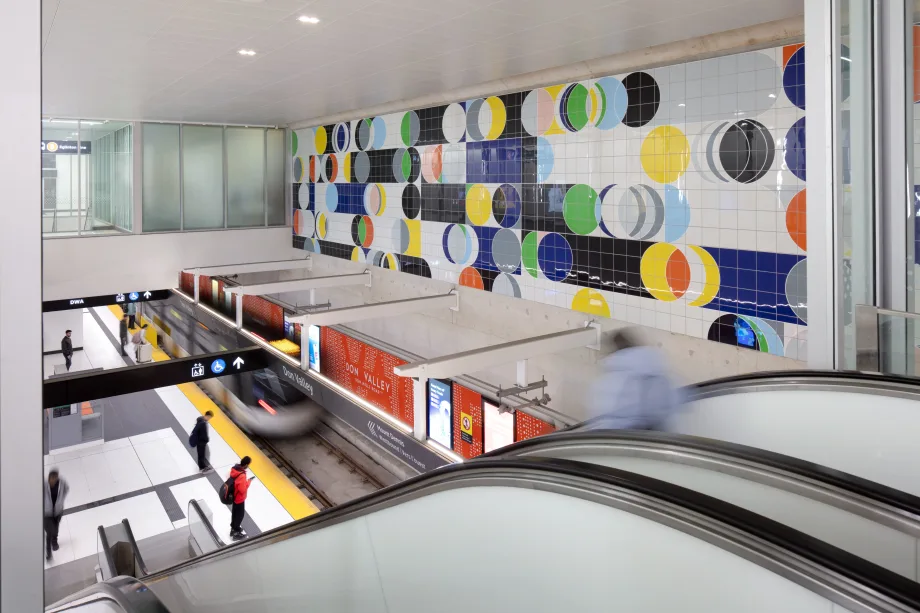
As Gen Z increasingly prioritizes transportation choices over car ownership, transit agencies are rethinking how stations and services connect riders to their communities.
A-Frame, courtesy of Arcadis
- Gen Z is shifting away from traditional car ownership in favor of multimodal transportation options.
- This generational shift encourages transit agencies to redesign stations and enhance passenger experiences.
- Public transportation plays a crucial role in fostering connected communities.
*Summarized by AI
For generations, earning a driver's license and owning a car represented a milestone of independence. For many younger people, however, that equation is changing. Rather than viewing a personal vehicle as essential to freedom and mobility, Gen Z is increasingly redefining independence around access to reliable transportation choices.
Public transit, cycling, e-bikes, ride-hailing, and car-sharing services have created a broader mobility ecosystem that lets people choose the mode that best fits their needs.
Technology has further simplified the process, with real-time transit information and trip-planning applications helping riders navigate connections between different transportation options.
"For many young people, the question isn't 'when can I get a car?' but rather 'what's the best way to get where I need to go?'" said Holly Smith, associate and architectural designer at Arcadis. "A personal vehicle isn't always the answer."
Smith sees this shift as part of a broader change in how younger generations define freedom of movement. Independence is no longer necessarily about owning a vehicle, she said, but about having access to the destinations, services and experiences that matter most.
The distinction has implications for transit agencies and the professionals designing their systems. As expectations evolve, agencies must consider not only how efficiently they move passengers, but also how their stations, services, and connections support the broader travel experience.
Mobility as a Network of Choices
Cost remains important for younger travelers, but Smith said the appeal of alternatives to driving goes beyond a vehicle's purchase price. Insurance, maintenance, fuel, parking, and traffic congestion all contribute to the financial and practical burdens of car ownership.
Alternative modes can offer different benefits. Transit passengers can use travel time to read, work, or relax, while cycling can add physical activity to a daily commute. These options also let travelers reconsider how they spend their time, rather than treating every trip behind the wheel as a necessity.
"One of public transit's biggest advantages is that travel time can become personal time," Smith said. "Instead of focusing on the road, people have the opportunity to work, relax, or simply recharge."
For transit agencies, this changing perspective reinforces the importance of providing a reliable, connected network rather than viewing transit as a standalone service. Riders who combine walking, cycling, transit, and other modes need those options to work together as part of a convenient journey.
Real-time passenger information and integrated trip planning can help make those connections easier to navigate. But technology is only part of the equation. The physical environment, including station accessibility, comfort, and legibility, also influences whether people choose to use public transportation regularly.
Designing Stations Around the Passenger
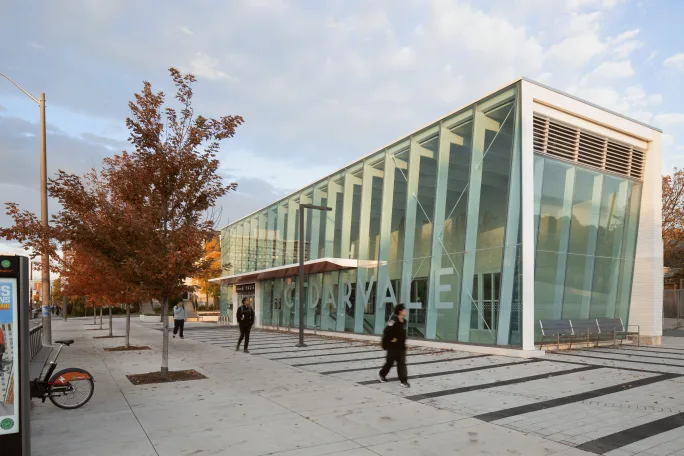
Holly Smith of Arcadis says transit stations are evolving beyond transportation hubs into welcoming public spaces that encourage social interaction and strengthen community connections.
A-Frame, courtesy of Arcadis
Transit design has increasingly emphasized passenger experience alongside operational performance, according to Smith. While efficiently moving large numbers of people remains fundamental, journey quality is also important.
Today's riders expect stations to be comfortable, intuitive, safe, accessible, and connected to their surrounding communities. For designers, that means considering natural light, clear wayfinding, visibility, seating, technology integration, and accessible circulation.
It also means planning for a multimodal future in which transit connects seamlessly with walking, cycling, micromobility, and other transportation options.
"Historically, transit systems were primarily designed around operational performance, how efficiently we could move large numbers of people from one place to another," Smith said. "While that remains important, we now recognize that the quality of the journey matters just as much as the destination."
The approach expands stations' role beyond their traditional function as points of entry and exit. Thoughtful design can make them more welcoming and useful to passengers while strengthening their relationship with the neighborhoods they serve.
Smith said transit stations can also function as civic spaces and "third spaces" — places beyond home and work where people can gather and connect with their communities.
Public plazas, seating areas, retail opportunities, community programming, and gathering spaces can keep activity going throughout the day, rather than limiting a station's use to peak commuting periods. According to Smith, this activity can create a more welcoming environment and a greater sense of safety and security.
For younger riders, who may value walkability, experiences, and community connections, stations that support social interaction can become an important part of daily life.
"When designed thoughtfully, stations become more than pieces of transportation infrastructure," Smith said. "They become civic spaces that foster social interaction, strengthen local identity, and create a genuine sense of belonging."
Connecting Communities: Toronto's Line 5 Eglinton
Toronto's Line 5 Eglinton illustrates how transit infrastructure can expand mobility choices by connecting existing neighborhoods with a broader transportation network.
Positioned through Midtown Toronto, the line connects communities to the TTC subway, GO Transit, UP Express, local bus routes, employment centers, schools and services. These connections expand the destinations riders can reach in their daily routines.
Smith said the line's design also emphasizes the passenger experience, with attention to daylight, visibility, accessible circulation, and connections to surrounding neighborhoods.
The objective, she said, extends beyond moving passengers between two points. It is about creating a system that people want to use regularly, and that provides a tangible benefit to the communities it serves.
The example underscores the relationship between network connectivity and transportation independence. When transit connects people to more destinations and opportunities, it can reduce the need to rely on a private vehicle for every trip, Smith explained.
Preparing for a Future Built Around Access
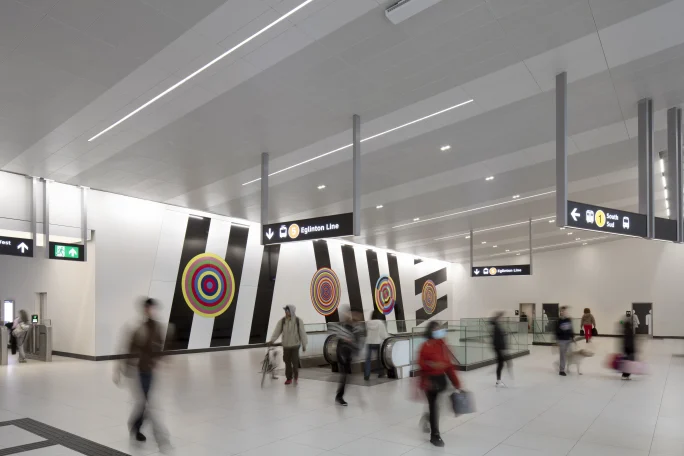
Toronto's Line 5 Eglinton demonstrates how connected transit networks can expand mobility options while emphasizing accessibility, passenger comfort, and integration with surrounding neighborhoods.
A-Frame, courtesy of Arcadis
If younger generations keep delaying driver's licenses or choose not to own cars, Smith said cities could fundamentally shift how they are planned and developed.
Reduced dependence on private vehicles could create more opportunities for denser, walkable communities where residents can live, work, shop, and socialize without driving everywhere. Strong transit networks can also support economic growth, reduce congestion, lower emissions, and provide more equitable access to opportunity.
Realizing those benefits will require agencies and urban planners to look beyond individual transit services and consider the larger mobility ecosystem. Smith identified multimodal connections, accessible and inclusive design, safe and welcoming stations, real-time passenger information, and integration with transit-oriented communities as important elements.
The goal is to make transit an easy, attractive choice, not simply an alternative to driving.
This approach requires agencies to consider how transportation infrastructure shapes the communities around it, not just how it moves people through them. Station design, neighborhood connections and the integration of multiple travel modes can all contribute to a system that supports a wider range of mobility needs.
"If previous generations shaped cities around cars, the next generation may shape cities around access," Smith said. "Our job is to create transit systems, stations, and public spaces that make that choice attractive and equitable for everyone."
For transit agencies, the challenge is translating changing expectations into practical investments in service, infrastructure, and the passenger experience. As independence becomes less closely tied to vehicle ownership, the ability to reach jobs, education, services, and social connections may become an increasingly important measure of transportation success.
Ultimately, Smith said, the focus should be on how easily people can access the opportunities and communities that matter to them — a principle that places public transportation at the center of a more connected, multimodal future.
Quick Answers
Gen Z is moving away from private vehicle ownership in favor of multimodal mobility due to factors such as cost savings, environmental concerns, and the convenience of diverse transportation options.
*Summarized by AI
More Management
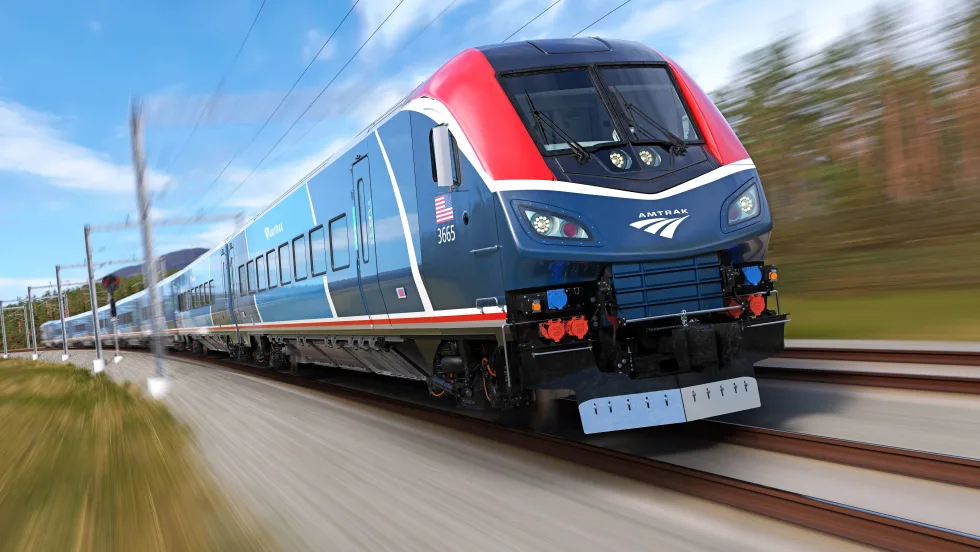
Amtrak Expands Airo Fleet with Eight Higher-Capacity Trainsets
The new 10-car trains, expected to enter service in 2031, will provide about 34% more seating capacity to meet growing demand on the Northeast Corridor.
Read More →
APTA Urges FTA to Withdraw Proposed Capital Investment Grants Guidance
The association warns that proposed changes could delay transit projects, reduce federal funding, and create new hurdles for 47 projects currently in the CIG pipeline.
Read More →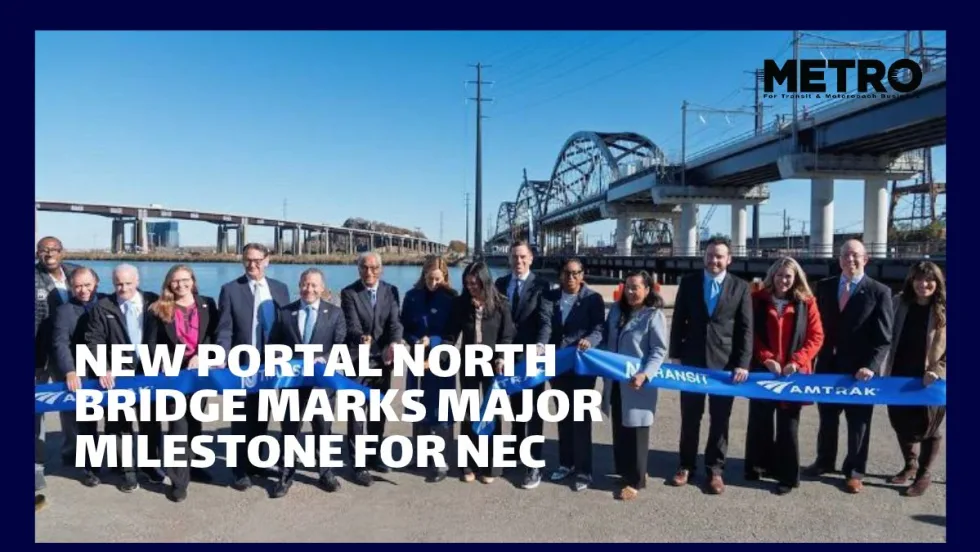
Amtrak, NJ TRANSIT Launch Full Service on New Portal North Bridge
The completion of the two-track bridge over the Hackensack River eliminates a longstanding source of delays for NJ TRANSIT and Amtrak customers. It marks a major milestone for the Gateway Program.
Read More →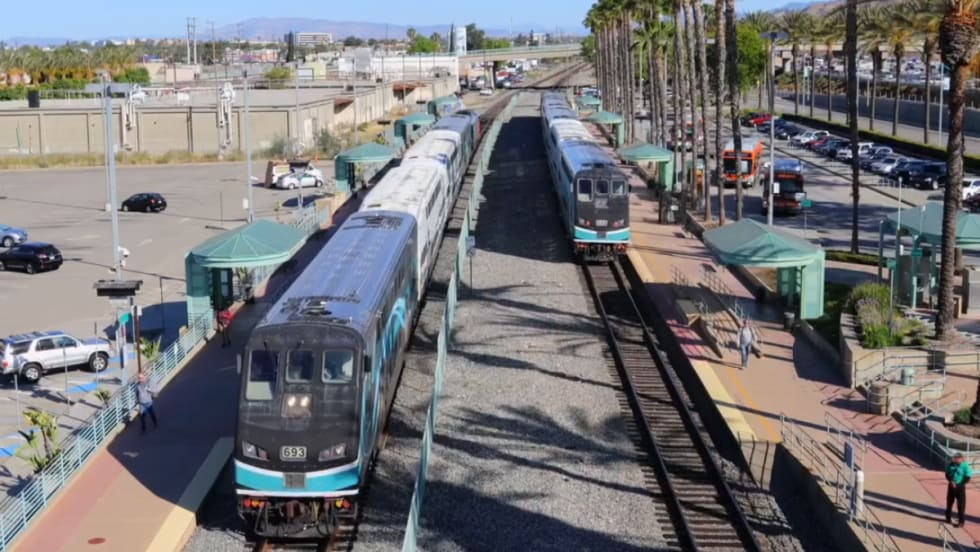
Southern California’s Metrolink Approves $508.8M Budget, Avoids Service Cuts
A $20 million state allocation allows the regional rail agency to maintain existing weekday and weekend service through fiscal year 2028, although longer-term funding challenges remain.
Read More →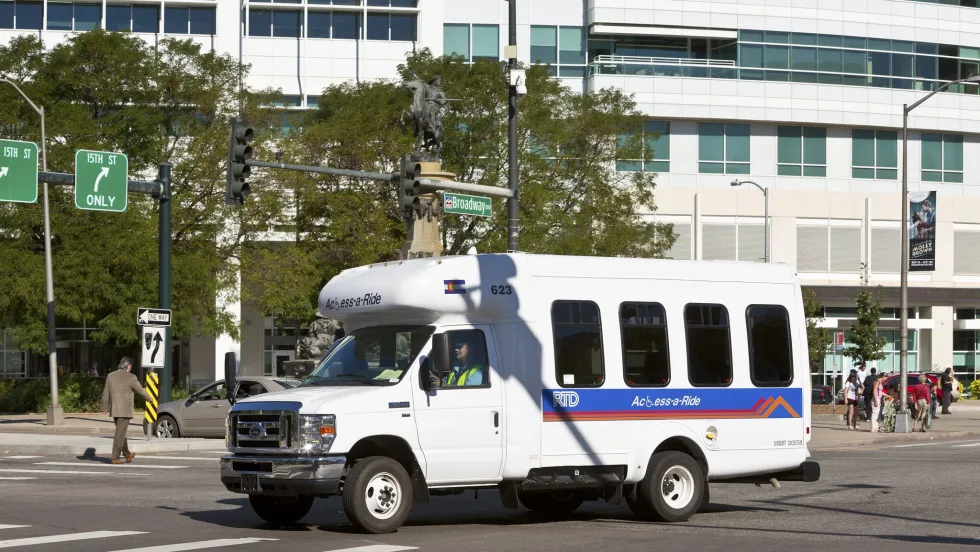
Denver RTD Committee to Review Paratransit Services, Improve Accessibility
The committee will oversee an independent study of paratransit operations, gather customer feedback, and recommend improvements to service reliability, accessibility, and accountability.
Read More →
Castro to Lead RTC of Southern Nevada and More in People Movement
In this edition, we also cover recent appointments and announcements at the STV, MCI, and more, showcasing the individuals helping to shape the future of transportation.
Read More →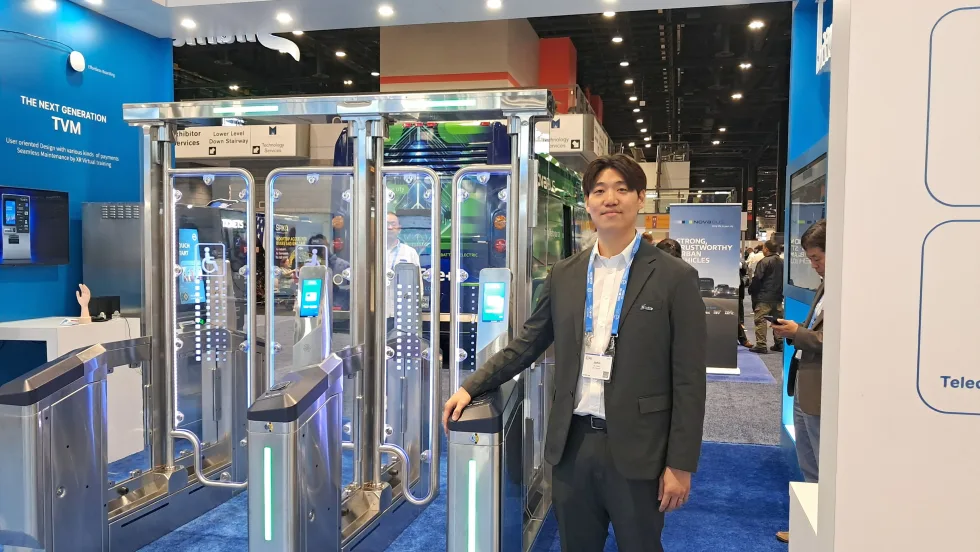
STraffic Expands North American Presence with Fare Collection Technology
John Moon, Associate Director, Product Strategy at STraffic, discusses the company's growth in North America, its efforts to reduce fare evasion, and more.
Read More →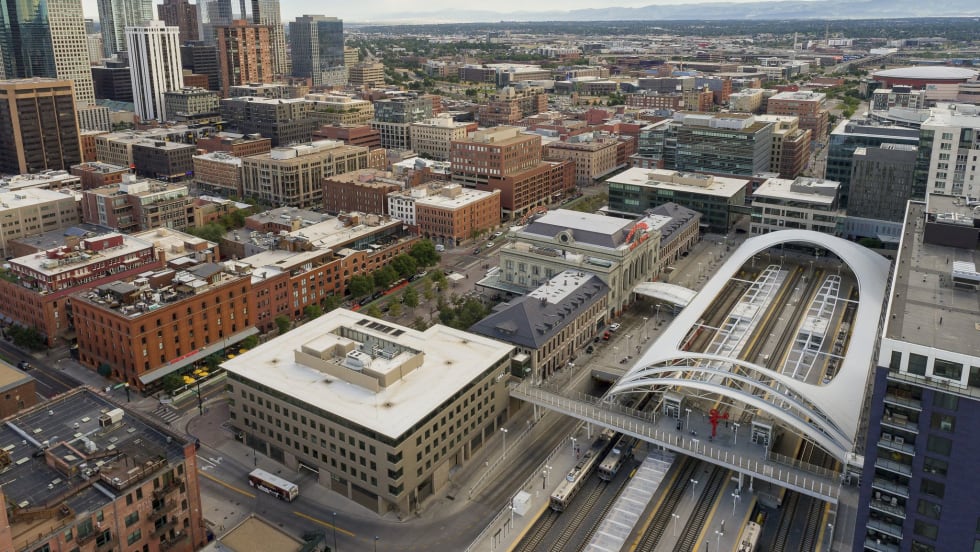
Study: Denver RTD Generates $2.1 Billion in Annual Economic Activity
An economic impact study finds the agency supports approximately 17,500 jobs, delivers $1.6 billion in annual community and mobility benefits, and generates $2.42 in economic value for every dollar invested.
Read More →
Mark Aesch Nominated to Lead Federal Transit Administration
The former Rochester transit chief and TransPro founder, who has also contributed to METRO Magazine, brings decades of industry experience and a focus on performance, accountability, and financial sustainability to the nomination.
Read More →
Best and Worst U.S. Cities for Public Transportation in 2026
A new analysis of 50 major U.S. urban areas ranks public transit systems based on accessibility, affordability, usefulness, and safety, highlighting where transit performs best and where challenges remain.
Read More →