



APTA Urges FTA to Withdraw Proposed Capital Investment Grants Guidance
The association warns that proposed changes could delay transit projects, reduce federal funding, and create new hurdles for 47 projects currently in the CIG pipeline.

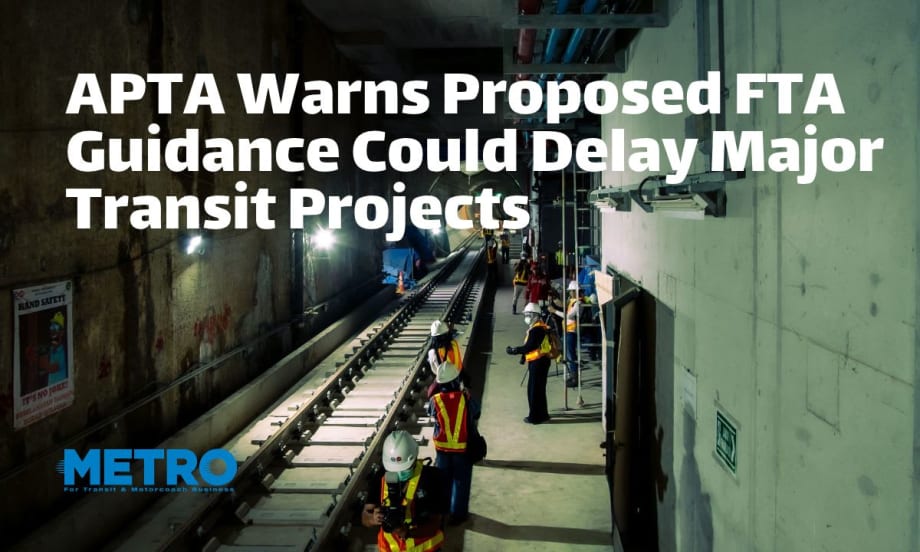
APTA is urging the FTA to withdraw proposed changes to its Capital Investment Grants program, warning that the guidance could delay projects, reduce federal funding, and affect 47 transit projects currently in the pipeline.
METRO
- The American Public Transportation Association (APTA) is urging the Federal Transit Administration (FTA) to reconsider the proposed guidance on Capital Investment Grants (CIG).
- APTA warns that the proposed changes may lead to delays in transit project timelines and could decrease the amount of federal funding allocated.
- The changes might introduce additional challenges for 47 transit projects currently moving through the CIG approval process.
*Summarized by AI
The American Public Transportation Association (APTA) filed formal comments urging the Federal Transit Administration (FTA) to withdraw its proposed Policy Guidance for the Capital Investment Grants (CIG) program, warning that the changes could delay projects, increase costs, and create uncertainty for transit agencies.
In a letter signed by APTA President/CEO Paul P. Skoutelas, the association argues that the proposed guidance exceeds FTA’s statutory authority and could jeopardize major public transportation investments already moving through the federal approval process.
“Communities have spent years and millions of local dollars meeting FTA’s rules under the CIG program,” said Skoutelas. “This new proposal moves the goalposts on them. Nine projects are already at the goal line, fully funded and waiting only for FTA to sign a construction agreement. We urge FTA to withdraw its proposed Policy Guidance and work with the industry instead on changes that truly streamline the CIG program.”
The CIG program provides federal funding for major public transportation projects, including Bus Rapid Transit (BRT), light rail, and subway extensions. Over the past decade, communities have completed 70 CIG projects across 22 states.
Potential Impacts on Transit Projects
According to APTA, FTA intends to apply the proposed changes immediately to all 47 projects currently in the CIG pipeline, including nine projects across eight states that have already been allocated 100% of their CIG funding.
Under the proposal, some projects could lose eligibility for construction grant agreements or receive less federal funding than originally anticipated. The association also noted that FTA currently holds $1.9 billion in unallocated CIG funds, questioning the rationale for reducing the federal share available to projects.
The association outlined six major concerns, including the proposal's legal authority, additional costs and delays, new administrative requirements, uncertainty for project sponsors, potential impacts on rail projects, and economic consequences.
Among its objections, APTA argues that the proposed guidance would establish new criteria for determining federal funding shares that are not included in federal law. The association also raised concerns about proposed evaluation factors involving marriage and birth rates, as well as changes that would increase the weight of cost-effectiveness in determining project ratings.
The association maintains that the changes conflict with congressional requirements governing the CIG program, including provisions that prevent FTA from impeding projects seeking more than a 40% federal share.
Rail Projects Face Additional Challenges
APTA warned that the proposed guidance could have particularly significant consequences for transit rail projects.
According to the association's preliminary analysis, all New Starts rail projects currently in the CIG pipeline would receive a Low rating for cost-effectiveness under the proposed criteria. The guidance would also increase the weight of cost-effectiveness in determining overall project justification ratings and federal funding shares, potentially reducing federal investment in rail projects.
The association argues that applying the same cost-effectiveness thresholds across different transit modes fails to account for the higher construction costs typically associated with rail projects compared with many BRT corridors.
The association also called for eliminating a proposed $600 million cost cap that would prevent most large projects from qualifying for expedited review.
Beyond funding concerns, APTA said the proposed changes could require project sponsors to revisit evaluations, identify additional local funding earlier in the process, or redesign projects that have already spent years advancing through the CIG program.
Economic Impacts and Industry Concerns
APTA also warned that delays or reductions in federal transit investment could affect manufacturers, suppliers, and workers nationwide.
According to the association, nearly 3,000 suppliers in more than 1,700 communities across all 50 states manufacture buses, railcars, and infrastructure used in CIG-funded projects.
APTA estimates that every $1 invested in public transit infrastructure generates $5 in long-term economic returns, while 77% of federal transit investment flows to American companies and private-sector workers.
The association said uncertainty surrounding the proposed guidance could affect not only transit agencies and local communities but also the businesses supporting major infrastructure projects.
APTA Calls for Withdrawal and Industry Collaboration
APTA is asking FTA to withdraw the proposed guidance and publish an analysis showing how the changes would affect federal funding shares and project ratings for each of the 47 projects in the CIG pipeline.
The association also wants FTA to identify projects that would no longer qualify for construction grant agreements and work with the transit industry to simplify the approval process.
As an immediate priority, APTA is urging FTA to advance the nine fully funded projects awaiting construction agreements. The association noted that FTA adopted the current guidance only a year ago and that Congress is developing the next surface transportation authorization law, which could bring additional changes to the CIG program.
“Congress is writing the next surface transportation bill right now, and that is the right place to shape the future of this program,” Skoutelas said. “Families are looking for affordable ways to get to work, school, and the doctor. Public transportation is one of the best answers we have. Let’s get these projects built, not send them back to the starting line.”
Quick Answers
APTA stands for the American Public Transportation Association, a non-profit organization that advocates for public transportation systems in the United States.
*Summarized by AI
More Management

Amtrak, NJ TRANSIT Launch Full Service on New Portal North Bridge
The completion of the two-track bridge over the Hackensack River eliminates a longstanding source of delays for NJ TRANSIT and Amtrak customers. It marks a major milestone for the Gateway Program.
Read More →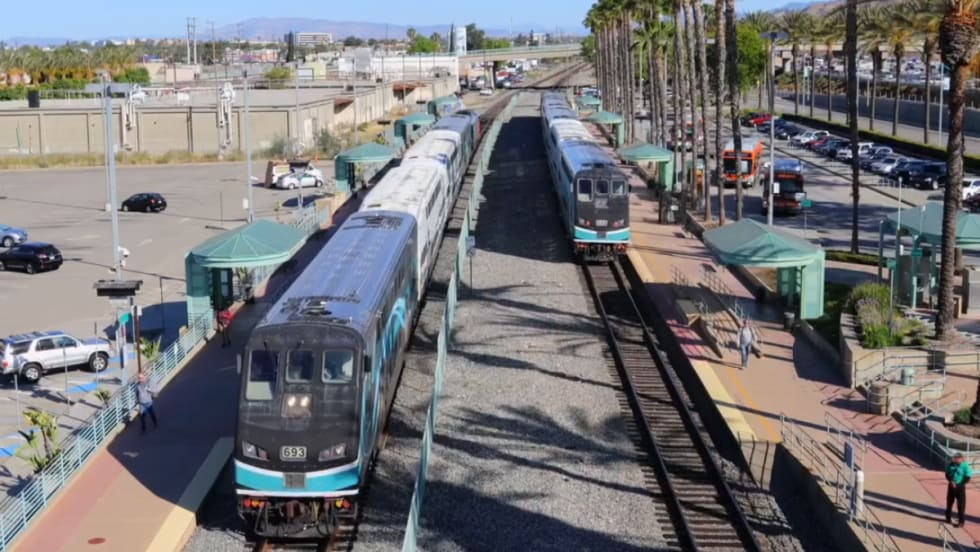
Southern California’s Metrolink Approves $508.8M Budget, Avoids Service Cuts
A $20 million state allocation allows the regional rail agency to maintain existing weekday and weekend service through fiscal year 2028, although longer-term funding challenges remain.
Read More →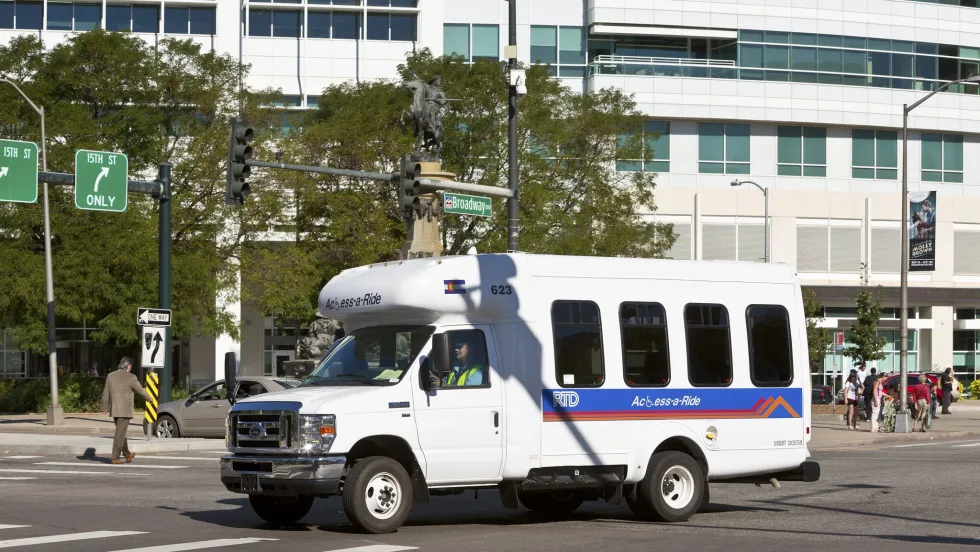
Denver RTD Committee to Review Paratransit Services, Improve Accessibility
The committee will oversee an independent study of paratransit operations, gather customer feedback, and recommend improvements to service reliability, accessibility, and accountability.
Read More →
Castro to Lead RTC of Southern Nevada and More in People Movement
In this edition, we also cover recent appointments and announcements at the STV, MCI, and more, showcasing the individuals helping to shape the future of transportation.
Read More →
STraffic Expands North American Presence with Fare Collection Technology
John Moon, Associate Director, Product Strategy at STraffic, discusses the company's growth in North America, its efforts to reduce fare evasion, and more.
Read More →
Study: Denver RTD Generates $2.1 Billion in Annual Economic Activity
An economic impact study finds the agency supports approximately 17,500 jobs, delivers $1.6 billion in annual community and mobility benefits, and generates $2.42 in economic value for every dollar invested.
Read More →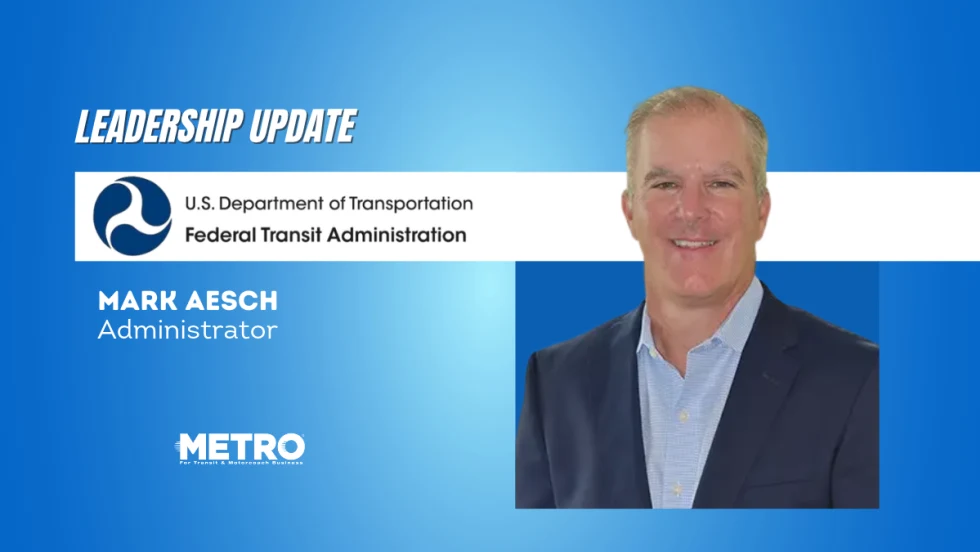
Mark Aesch Nominated to Lead Federal Transit Administration
The former Rochester transit chief and TransPro founder, who has also contributed to METRO Magazine, brings decades of industry experience and a focus on performance, accountability, and financial sustainability to the nomination.
Read More →
Best and Worst U.S. Cities for Public Transportation in 2026
A new analysis of 50 major U.S. urban areas ranks public transit systems based on accessibility, affordability, usefulness, and safety, highlighting where transit performs best and where challenges remain.
Read More →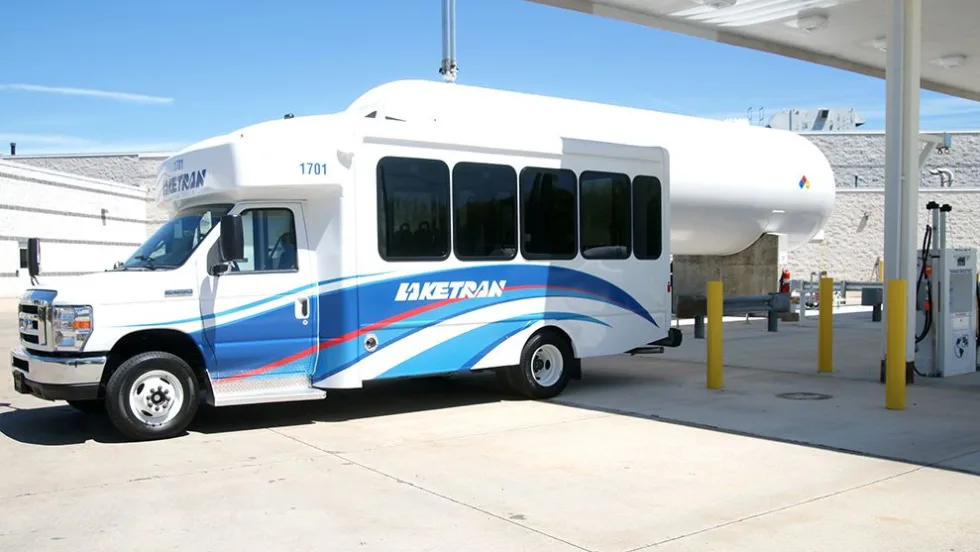
Laketran Cuts Fuel Costs, Boosts Efficiency with Propane-Powered Fleet
The Ohio transit agency is using propane-powered vehicles and on-site fueling infrastructure to cut fuel and maintenance costs while meeting growing demand for paratransit services.
Read More →
Canada’s Public Transit Supports $65.6 Billion in Annual GDP
New research from the Canadian Chamber of Commerce examines transit's economic contributions, including job creation and the financial implications of transportation investment.
Read More →