



ABA Foundation’s 2025 Motorcoach Census Highlights Industry Growth, 77K Jobs
Conducted annually by Tourism Economics, the study found that 1,769 companies operating 49,543 motorcoaches are based in the US, while 122 companies operating 1,425 motorcoaches are located in Canada.

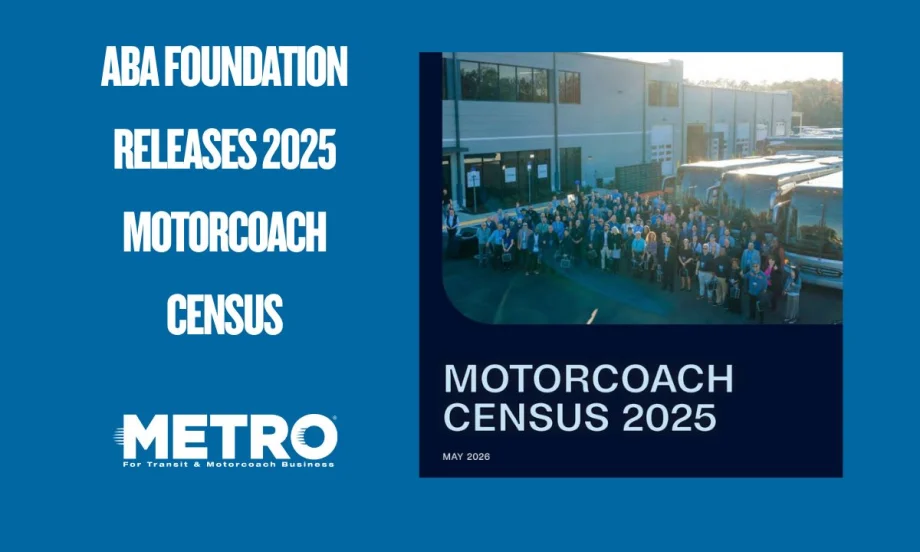
Year-over-year results point to an industry that is becoming more productive even as it continues to consolidate, according to the Foundation.
METRO
- The ABA Foundation's 2025 Motorcoach Census reports substantial industry growth, supporting 77,000 jobs.
- In the United States, 1,769 companies are operating a total of 49,543 motorcoaches.
- Canada is home to 122 companies managing 1,425 motorcoaches.
*Summarized by AI
The motorcoach industry in the US and Canada included 1,891 companies operating 50,968 motorcoaches in 2025, according to the Motorcoach Census 2025, released by the American Bus Association Foundation (ABAF).
Conducted annually by Tourism Economics, the study found that 1,769 companies operating 49,543 motorcoaches are based in the US, while 122 companies operating 1,425 motorcoaches are located in Canada.
ABAF’s Census
In 2025, the motorcoach industry supported 77,176 jobs, and the data show that motorcoach operators serve a wide range of transportation needs. Charter service remained the most common offering, provided by 86.9% of companies, alongside significant participation in tour services, sightseeing, commuter services, and scheduled services.
Together, those findings reinforce that motorcoach service is not limited to one market segment. It is a flexible, essential part of the larger travel and transportation network, according to the Foundation.
The census also makes clear that motorcoach remains a deeply rooted small-business industry, even as larger operators account for substantial scale.
Most companies (87.3%) operated fewer than 25 motorcoaches, underscoring the importance of small, locally based operators to the industry’s foundation. Those firms operated 17,373 motorcoaches and accounted for 35.5% of industry passenger mileage. Mid-sized companies operating 25 to 99 motorcoaches ran 7,694 motorcoaches and accounted for 26.8% of passenger mileage, while large companies operating more than 100 motorcoaches accounted for 50.8% of the industry’s fleet and 37.7% of passenger mileage.
The research also highlights the industry’s employment footprint and operational intensity.
On average, a motorcoach company provided 41 jobs, or 1.5 jobs per motorcoach. Small companies accounted for 33.0% of industry jobs, mid-sized companies accounted for 19.1%, and large companies accounted for 47.8%. On average, each motorcoach provided 0.9 million passenger miles and traveled 40,297 miles in 2025.
“In 2025, the industry operated nearly 51,000 motorcoaches across the United States and Canada, up 4.7 percent from the prior year. Passenger miles climbed to 43.9 billion, an 8.9 percent increase, while miles traveled rose 18.2 percent. These are strong signs of demand, productivity, and renewed momentum across the industry,” said ABA President/CEO Fred Ferguson. “At the same time, the Census also makes clear that recovery is not evenly felt. The total number of carriers declined by 3.5 percent, which underscores the pressure facing many operators, especially smaller and independent businesses managing rising costs, insurance challenges, regulatory burdens, and workforce constraints.”
A Closer Look
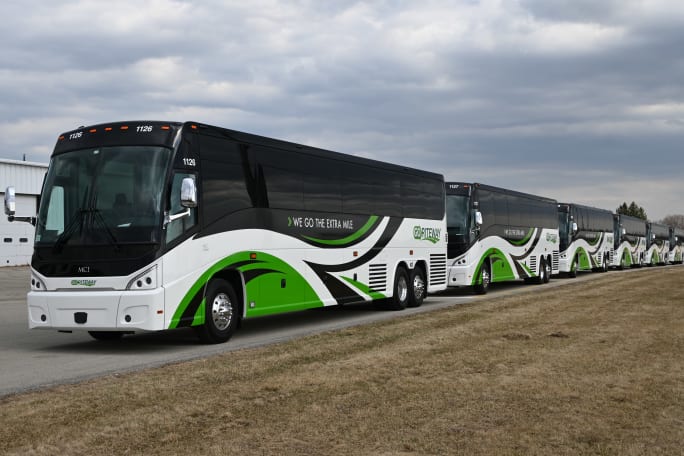
Conducted by Tourism Economics, the annual Motorcoach Census 2025 tracks the size and activity of the motorcoach transportation industry in the U.S. and Canada.
MCI
Year-over-year results point to an industry that is becoming more productive even as it continues to consolidate, according to the Foundation.
Compared with 2024, the number of motorcoaches increased 4.7% to 50,968, passenger miles rose 8.9% to 43.9 billion, miles traveled increased 18.2% to 2.1 billion, and employment grew 3.7% to 77,176, even as the total number of carriers declined 3.5%.
“The 2025 Census tells a clear story: motorcoach travel is growing, fleet utilization is rising, and our industry continues to move America at a scale that is too often overlooked,” said Lew Myers, ABA’s director of government relations & research. “The Bus Census gives policymakers, operators, manufacturers, investors, and the broader travel industry a factual foundation for understanding where the industry is growing, where it is under pressure, and why motorcoach operators must be part of every serious conversation about mobility, tourism, safety, and economic development.”
The study was commissioned by ABAF and prepared by Tourism Economics, using industry-source data and survey responses from 288 motorcoach carriers. The report measures industry size and activity by the number of carriers and motorcoaches in service, passenger miles, services provided, motorcoach miles traveled, and employment.
Quick Answers
The primary focus of the ABA Foundation's 2025 Motorcoach Census is to highlight the growth and economic impact of the motorcoach industry, including the number of jobs it supports.
*Summarized by AI
More Motorcoach

From Surviving to Thriving: Building Stronger Transportation Organizations
Bus Business Consultants founder Brian Dickson shares lessons on leadership, organizational health, and creating options for long-term success in a changing transportation industry.
Read More →
Report: Canadian Motorcoach Industry Generates $4.4B in Economic Impact
The 2025 Motorcoach Economic Impact Report finds motorcoach travel supported nearly 25,000 jobs and generated $980 million in federal, provincial, and local taxes.
Read More →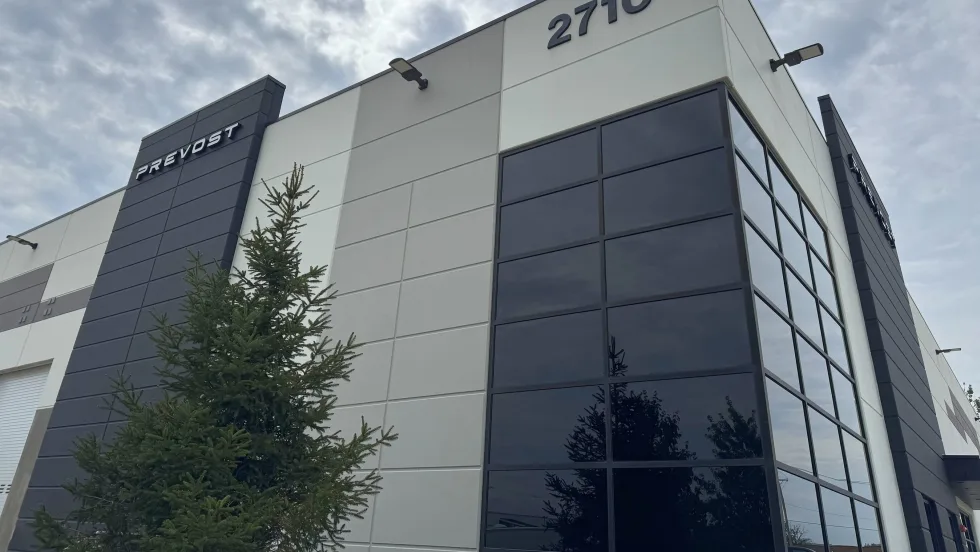
Prevost Opens Expanded Chicago-Area Service Center
The $8.1 million Elk Grove Village investment nearly triples facility space while adding service capacity, parts storage, and customer amenities.
Read More →
People Movement: Dan Dipert Coaches Adds Third-Generation Leader, Keolis Names New Valley Metro VP/GM, and More
In this edition, we also cover recent appointments and announcements at the Wabtec, SilverRide, HNTB, and more, showcasing the individuals helping to shape the future of transportation.
Read More →
METRO Opens Submissions for 2026 Motorcoach Awards
Nominations are now being accepted for METRO Magazine’s Operator of the Year and Innovative Operator of the Year awards.
Read More →
Biz Briefs: Alstom Lands Canadian Contract, LYT to Supply California TSP, and More
In METRO's latest installment, we take a look at recent news from Complete Coach Works, Beep, FlixBus, and more partnerships making headlines across the transportation sector.
Read More →
Biz Briefs: RIPTA Unveils New Frontrunners, Clevland RTA Adds New Siemens, and More
In METRO's latest installment, we take a look at recent news from Siemens, Prevost, Dodge, and more partnerships making headlines across the transportation sector.
Read More →
People Movement: Holly Arnold Joins Transdev and More
In this edition, we also cover recent appointments and announcements at Pace, CamTran, MCI, and more, showcasing the individuals helping to shape the future of transportation.
Read More →
ABA Report: Motorcoach Travel Generates $161.6B Economic Impact
The 2025 analysis finds motorcoach travel supported nearly 900,000 jobs and generated $28 billion in federal, state, and local taxes.
Read More →
CharterUP’s Armir Harris on Technology, AI, and the Future of Group Mobility
In a recent episode of METROspectives, CharterUP Founder/CEO Armir Harris discussed the company’s evolution from an online charter bus marketplace into a technology platform supporting public- and private-sector mobility and much more.
Read More →