



ABA lauds efforts against rogue operators
Gov. Arnold Schwarzenegger (R-Calif.) signed two bills, AB 636 and 951, passed by the California State Assembly, aimed at strengthening the penalties against charter bus companies and drivers who choose to ignore or violate safety and licensing laws.

The American Bus Association (ABA) praised the efforts of the California Bus Association (CBA) for its diligence and tenacity in working with state law enforcement and elected officials to pass the toughest laws yet cracking down on outlaw operators imperiling public safety, which were signed by the governor into law this week.
Gov. Arnold Schwarzenegger (R-Calif.) signed both bills passed by the California State Assembly, AB 636 and 951, aimed at strengthening the penalties against charter bus companies and drivers who choose to ignore or violate safety and licensing laws. AB 636 empowers the state to pull the license of any charter bus driver who operates a bus without the appropriate driver's license, endorsement or certificate. The law also strips these drivers of the right to ever receive a license to operate any type of bus again in the state.
Additionally, the bill revokes the charter of any bus company that either operates a bus without the proper permit or knowingly hires a bus driver who does not have the necessary license, endorsement or certificate to operate a charter bus. Finally, the bill gives the California Highway Patrol the authority to impound any bus if it does not have the proper permit or the driver does not have the appropriate license, endorsement or certificate to drive the vehicle.
The following penalties will be increased: a $7,500 civil penalty (from $5,000); a $1,000 reinstatement fee (from $125); a $1,500-$7,000 penalty for operating with a suspended certificate or permit for each day in violation (from $1,000-$5,000); a $1,000-$5,000 fine for any bus company that violates or fails to comply with the law (from a $1,000 maximum fine); a $2,000 maximum fine for anyone besides the bus company who violates charter-party carrier laws or regulations (from $1,000); a $10,000 fine for operating a bus without a certificate or permit for first time offenders, and a $25,000 fine for subsequent offenders (currently $1,500 for first time and $2,500 for second time offenders).
“ABA applauds California for enacting such important legislation, which helps to distinguish law-abiding, responsible operators from rogue or reincarnated operators who imperil public safety,” said ABA President/CEO Peter Pantuso. “ABA applauds the CBA, which showed the power of grassroots activism at the state level.”
More Motorcoach

From Surviving to Thriving: Building Stronger Transportation Organizations
Bus Business Consultants founder Brian Dickson shares lessons on leadership, organizational health, and creating options for long-term success in a changing transportation industry.
Read More →
Report: Canadian Motorcoach Industry Generates $4.4B in Economic Impact
The 2025 Motorcoach Economic Impact Report finds motorcoach travel supported nearly 25,000 jobs and generated $980 million in federal, provincial, and local taxes.
Read More →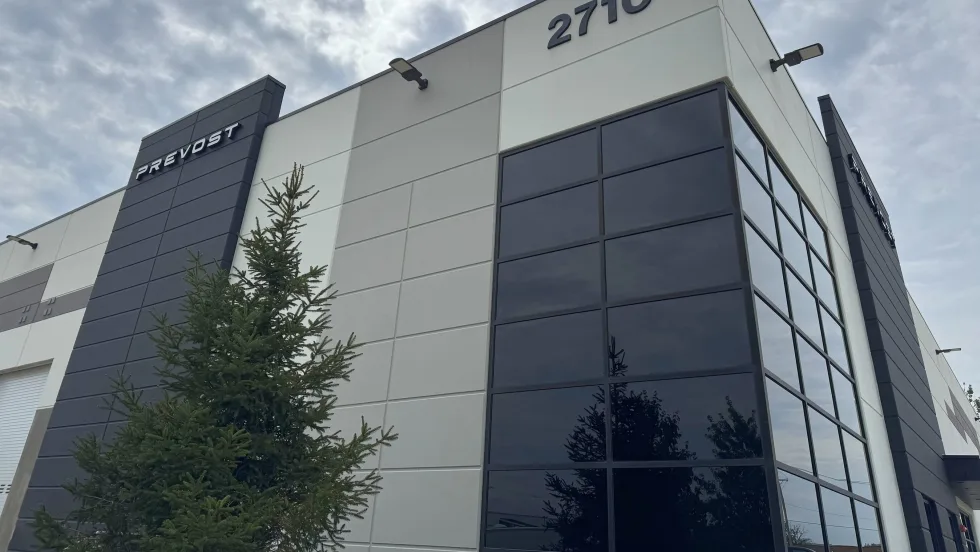
Prevost Opens Expanded Chicago-Area Service Center
The $8.1 million Elk Grove Village investment nearly triples facility space while adding service capacity, parts storage, and customer amenities.
Read More →
People Movement: Dan Dipert Coaches Adds Third-Generation Leader, Keolis Names New Valley Metro VP/GM, and More
In this edition, we also cover recent appointments and announcements at the Wabtec, SilverRide, HNTB, and more, showcasing the individuals helping to shape the future of transportation.
Read More →
METRO Opens Submissions for 2026 Motorcoach Awards
Nominations are now being accepted for METRO Magazine’s Operator of the Year and Innovative Operator of the Year awards.
Read More →
Biz Briefs: Alstom Lands Canadian Contract, LYT to Supply California TSP, and More
In METRO's latest installment, we take a look at recent news from Complete Coach Works, Beep, FlixBus, and more partnerships making headlines across the transportation sector.
Read More →
Biz Briefs: RIPTA Unveils New Frontrunners, Clevland RTA Adds New Siemens, and More
In METRO's latest installment, we take a look at recent news from Siemens, Prevost, Dodge, and more partnerships making headlines across the transportation sector.
Read More →
People Movement: Holly Arnold Joins Transdev and More
In this edition, we also cover recent appointments and announcements at Pace, CamTran, MCI, and more, showcasing the individuals helping to shape the future of transportation.
Read More →
ABA Report: Motorcoach Travel Generates $161.6B Economic Impact
The 2025 analysis finds motorcoach travel supported nearly 900,000 jobs and generated $28 billion in federal, state, and local taxes.
Read More →
CharterUP’s Armir Harris on Technology, AI, and the Future of Group Mobility
In a recent episode of METROspectives, CharterUP Founder/CEO Armir Harris discussed the company’s evolution from an online charter bus marketplace into a technology platform supporting public- and private-sector mobility and much more.
Read More →