




RELATED: ADL wins significant share of UK Stagecoach bus order
ADL, BAE deliver first ultra-low emission hybrid to London bus service
The next-gen vehicle uses ultra-capacitor energy storage to further reduce lifecycle costs..
May 11, 2018
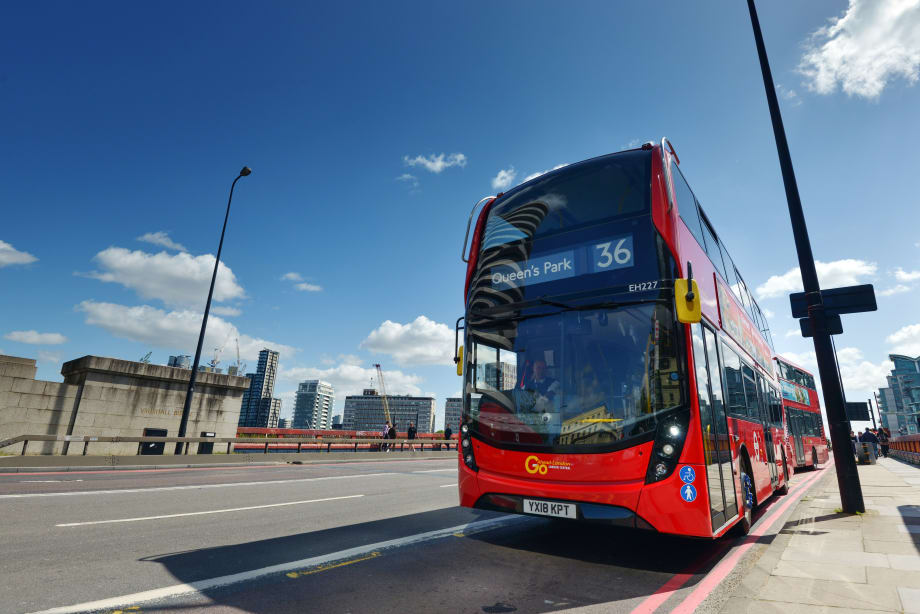
Series-E maintains the series hybrid system architecture — proven in over 1,300 existing Enviro400H hybrid buses — in which the diesel engine only acts as generator to produce energy for the electric drive.
ADL
2 min to read
Series-E maintains the series hybrid system architecture — proven in over 1,300 existing Enviro400H hybrid buses — in which the diesel engine only acts as generator to produce energy for the electric drive.
ADL
Alexander Dennis Ltd. (ADL) and BAE Systems delivered the first 39 Enviro400H double-deck buses with Series-E hybrid technology to launch customer Go-Ahead London. Using ultra-capacitor energy storage to further reduce lifecycle costs, this next-generation hybrid bus has achieved Ultra-Low Emission Bus certification with 37% lower greenhouse gas emissions (GHGs) than conventional diesel buses.
Series-E maintains the series hybrid system architecture — proven in over 1,300 existing Enviro400H hybrid buses — in which the diesel engine only acts as generator to produce energy for the electric drive. This now utilizes a lighter and more compact direct drive permanent magnet traction motor, which no longer requires a speed reducing gearbox, thereby increasing efficiency and minimizing wear. An ultra-capacitor energy storage system replaces the previous generation’s batteries. Designed to last the lifetime of the bus, this ultra-capacitor storage will reduce total cost of ownership by not requiring mid-life replacement. Due to this and other improvements, a 53% reduction in the cost of parts and consumables is predicted over a ten-year period.
There is no change for drivers as the new system matches its predecessor’s performance. Passenger features include smooth acceleration and braking, while the arrive-and-go mode, which turns off the Euro VI diesel engine at low speed and when stationary at bus stops, cuts noise and emissions.
Neither is there a significant change to the maintenance regime, with the annual cleaning or change of a new filter on the energy storage system offset by reduced dirt ingress to a relocated hybrid unit cooler pack. Through its increased efficiency, the Enviro400H with Series-E hybrid technology has demonstrated best-in-class fuel economy in the LowCVP’s UK Bus test cycle, with fuel consumption 6% lower than its predecessor.
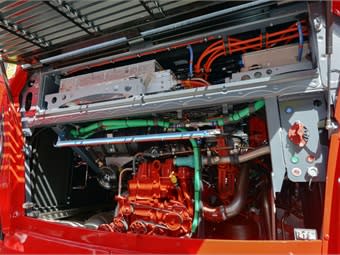
An ultra-capacitor energy storage system replaces the previous generation’s batteries.
ADL
Go-Ahead London is the pioneering launch customer for this next-generation Enviro400H, with the first 39 buses entering service on Transport for London route 36 between Queen's Park and New Cross Gate. Another 26 are on order for routes 77 and 87.
ADL and BAE Systems have been working in partnership since 2008 and together have brought over 1,300 Enviro400H hybrid buses to the streets of London and other UK cities. With fully electric power transmission, the modular architecture of BAE Systems’ technology opens up the future possibility of offering the extended range Series-ER hybrid system if there is sufficient demand for this solution, which offers up to 10km zero-emission range without a need for plug-in charging.
More Technology
Video Surveillance in Public Transit: What Riders Really Think
As video surveillance gains public acceptance, new research from Axis Communications reveals what transit riders expect from agencies when it comes to safety, privacy, and AI.
Read More →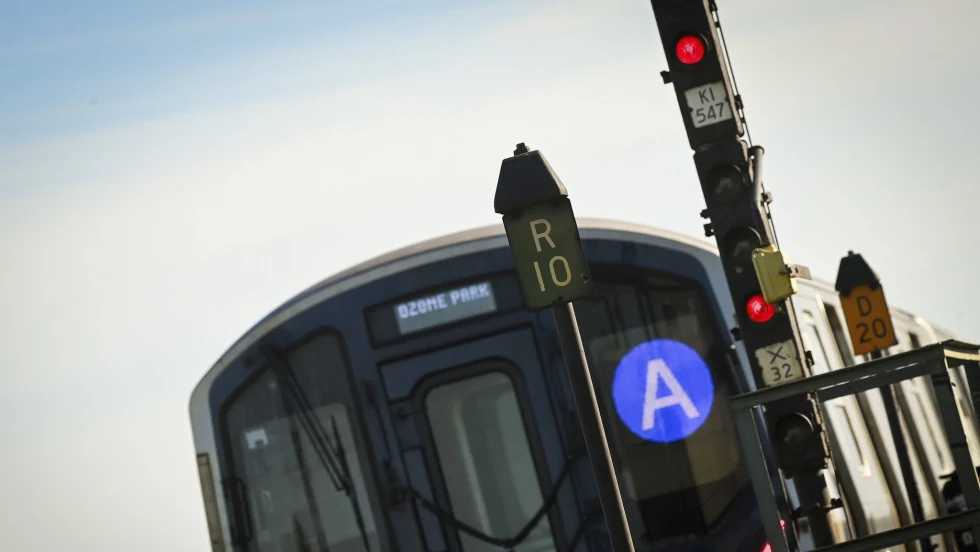
New York MTA Launches Historic $1.9B Signal, Track Modernization Project
Funded in part by congestion pricing revenue, the project will replace nearly century-old signals along the A and C lines in Brooklyn and Queens.
Read More →
Biz Briefs: New Electric Offering from Alexander Dennis/Volvo, Transdev in Boston, and More
In METRO's latest installment, we also take a look at recent news from STV, WSP, Prevost, and more partnerships making headlines across the transportation sector.
Read More →
Roman Cornell on ABC Companies’ Evolution and the Future of Passenger Transportation
The company’s CEO discusses carrying forward a third-generation family legacy, ABC’s continued evolution in passenger transportation, support for increasingly complex fleets, and how technology and continued investment could help operators improve uptime.
Read More →
ETA CEO John Maglio on Transit Technology, Innovation, and Building Agency Trust
ETA founder and CEO John Maglio explores the evolution of transit technology, the importance of reliable systems, and how stronger partnerships can help agencies improve operations and the passenger experience.
Read More →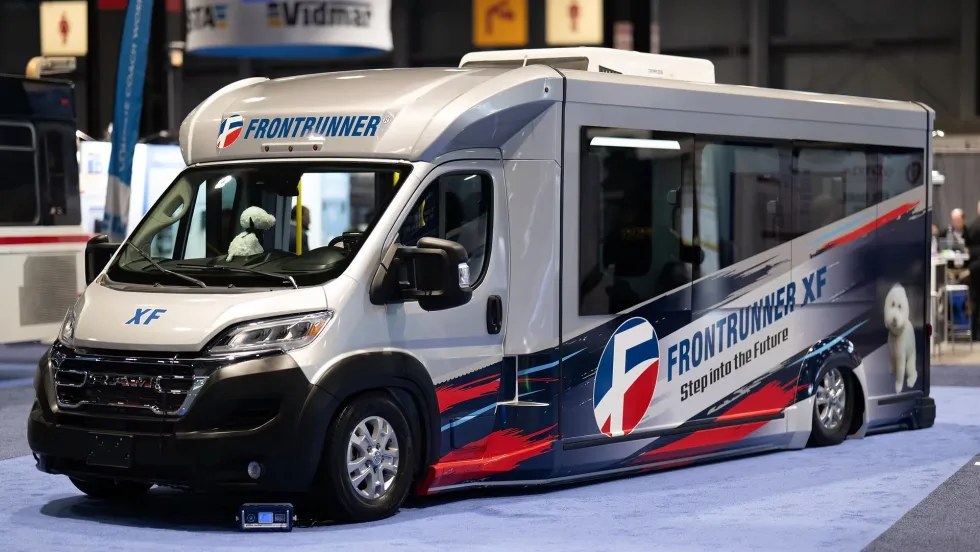
Frontrunner Bus Group Introduces XF Low-Floor Bus with Enhanced Accessibility
The new mid-sized bus features a full flat-floor design, eight-inch curbside step-in height, and zero-entry rear ramp to improve passenger access and operational flexibility.
Read More →
Building a Flexible Path to Transit Electrification with BAE's John Hroncich
John Hroncich discusses BAE Systems’ modular and scalable approach, lessons learned from decades of real-world operations, and how agencies can identify electrification strategies that fit their fleets.
Read More →
Scenes from APTA TRANSform & EXPO 2026
Transit leaders, manufacturers, and industry professionals gathered in Chicago to explore new technologies, share ideas, and discuss the future of public transportation.
Read More →
Biz Briefs: New Flyer Secures Additional 100-Bus Order from WMATA and More
In METRO's latest installment, we also take a look at recent news from Masabi, MCI, Samsara, and more partnerships making headlines across the transportation sector.
Read More →
MTA Fare Gate Pilot Reduces Fare Evasion by 35%
Following a 20-station pilot, the agency plans to install new fare gates at 20 additional subway stations as part of a $1.1 billion modernization initiative.
Read More →