



Alstom taps Forsee Power to supply batteries for electric bus line
The vehicles will be equipped with NMC (Nickel Manganese Cobalt Oxide) Li-ion battery technology as a standard feature.

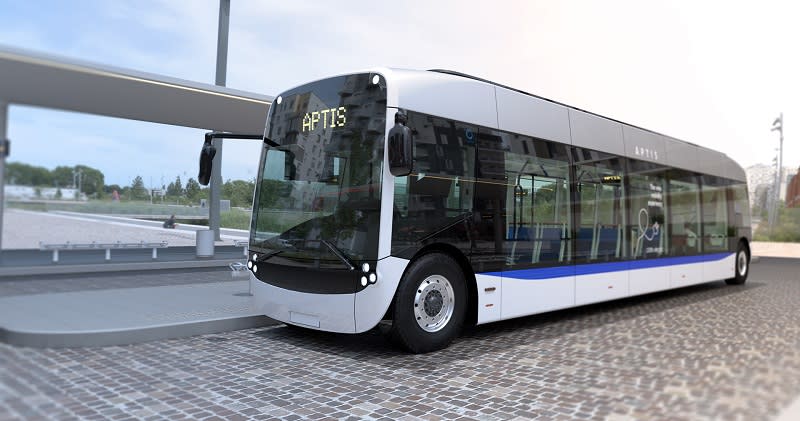
Alstom and Forsee Power are also collaborating on the best way to monitor battery use in real-time, thereby optimizing usage cycles and thus battery life expectancy.
Alstom
Alstom and Forsee Power are also collaborating on the best way to monitor battery use in real-time, thereby optimizing usage cycles and thus battery life expectancy.
Alstom
Alstom selected the French battery manufacturer Forsee Power to equip the Aptis electric buses, scheduled for series delivery from 2019 onwards. The vehicles will be equipped with NMC (Nickel Manganese Cobalt Oxide) Li-ion battery technology as a standard feature.
Forsee Power has been chosen for its advanced technology in terms of yield and density, its competitiveness, and its ability to provide a recyclable product, from collection to the re-use of cells. Alstom is thus betting on a reliable solution and close partnership with a flagship of French technology.
Alstom and Forsee Power have worked together to define the most suitable product for Aptis, while retaining the vehicle’s openness to different battery technologies and charging speeds. The vehicle’s design, with most of its equipment on the roof, coupled with the modularity of the ZEN35 battery packs, give Aptis the greatest range flexibility when compared to other vehicles in its category. Alstom has developed precise simulation tools to establish the onboard energy required by operators and thus design the vehicle most suited to the requirements of each line (with range per charge from approximately 93 miles to over 155 miles).
Alstom and Forsee Power are also collaborating on the best way to monitor battery use in real-time, thereby optimizing usage cycles and thus battery life expectancy.
Finally, Alstom has developed long-term battery leasing solutions that allow municipalities to reduce the financial impact of purchasing electric buses by spreading the cost of the batteries over the lifespan of the vehicle.
More Technology

Video Surveillance in Public Transit: What Riders Really Think
As video surveillance gains public acceptance, new research from Axis Communications reveals what transit riders expect from agencies when it comes to safety, privacy, and AI.
Read More →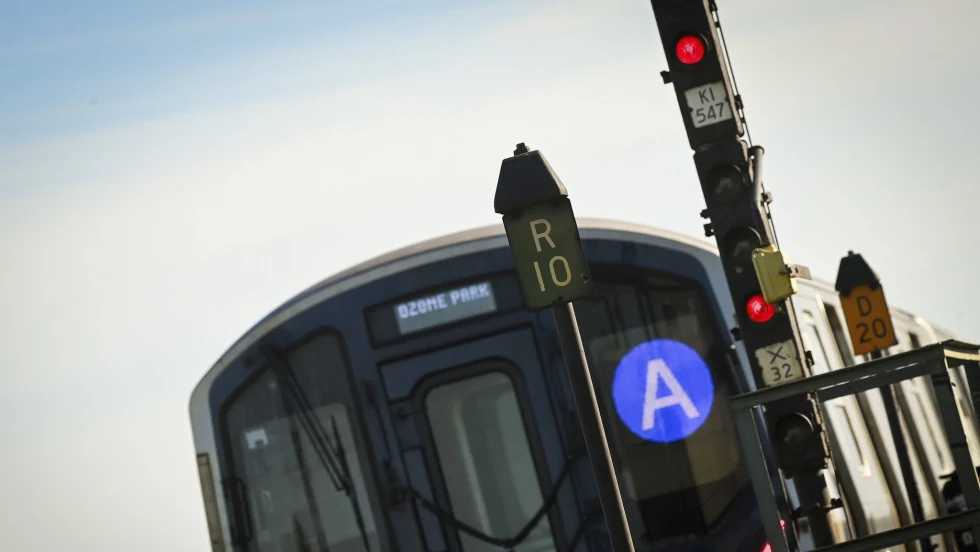
New York MTA Launches Historic $1.9B Signal, Track Modernization Project
Funded in part by congestion pricing revenue, the project will replace nearly century-old signals along the A and C lines in Brooklyn and Queens.
Read More →
Biz Briefs: New Electric Offering from Alexander Dennis/Volvo, Transdev in Boston, and More
In METRO's latest installment, we also take a look at recent news from STV, WSP, Prevost, and more partnerships making headlines across the transportation sector.
Read More →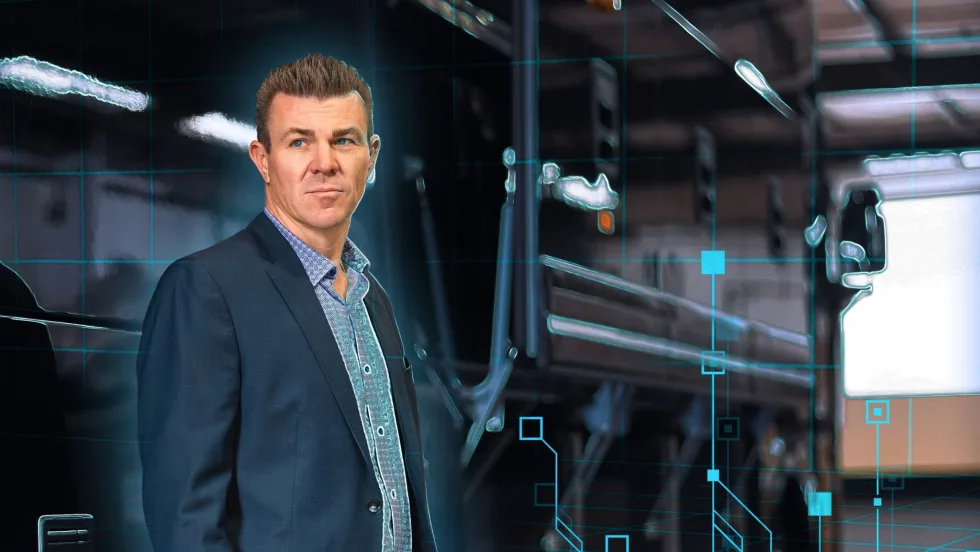
Roman Cornell on ABC Companies’ Evolution and the Future of Passenger Transportation
The company’s CEO discusses carrying forward a third-generation family legacy, ABC’s continued evolution in passenger transportation, support for increasingly complex fleets, and how technology and continued investment could help operators improve uptime.
Read More →
ETA CEO John Maglio on Transit Technology, Innovation, and Building Agency Trust
ETA founder and CEO John Maglio explores the evolution of transit technology, the importance of reliable systems, and how stronger partnerships can help agencies improve operations and the passenger experience.
Read More →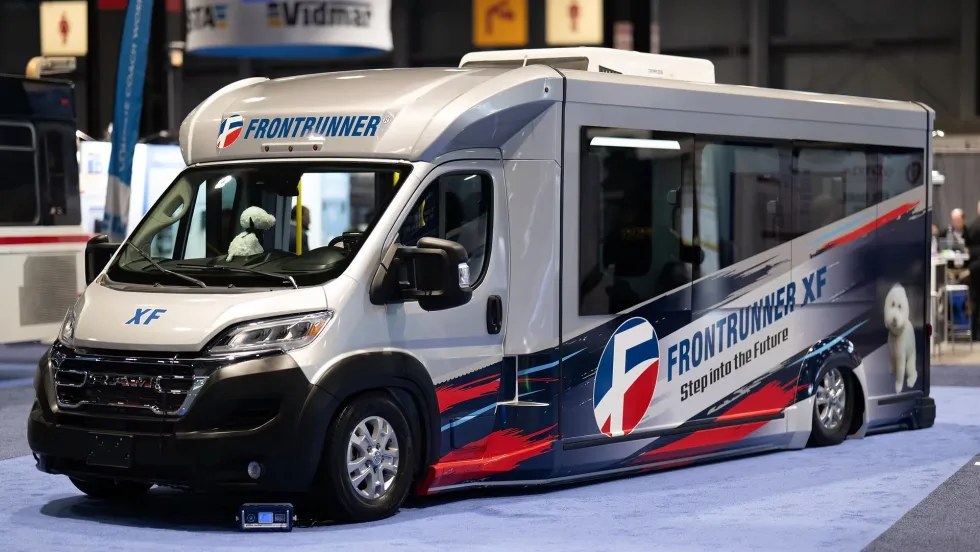
Frontrunner Bus Group Introduces XF Low-Floor Bus with Enhanced Accessibility
The new mid-sized bus features a full flat-floor design, eight-inch curbside step-in height, and zero-entry rear ramp to improve passenger access and operational flexibility.
Read More →
Building a Flexible Path to Transit Electrification with BAE's John Hroncich
John Hroncich discusses BAE Systems’ modular and scalable approach, lessons learned from decades of real-world operations, and how agencies can identify electrification strategies that fit their fleets.
Read More →
Scenes from APTA TRANSform & EXPO 2026
Transit leaders, manufacturers, and industry professionals gathered in Chicago to explore new technologies, share ideas, and discuss the future of public transportation.
Read More →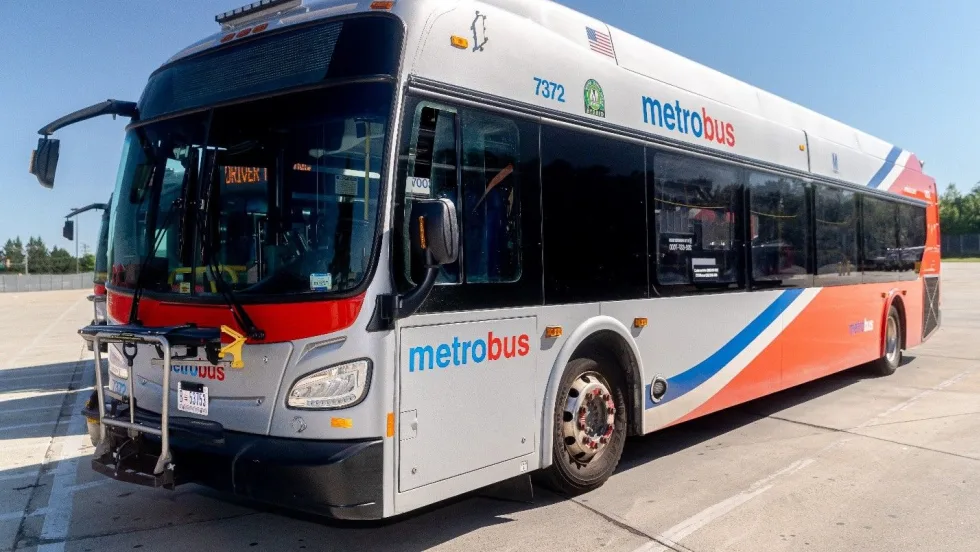
Biz Briefs: New Flyer Secures Additional 100-Bus Order from WMATA and More
In METRO's latest installment, we also take a look at recent news from Masabi, MCI, Samsara, and more partnerships making headlines across the transportation sector.
Read More →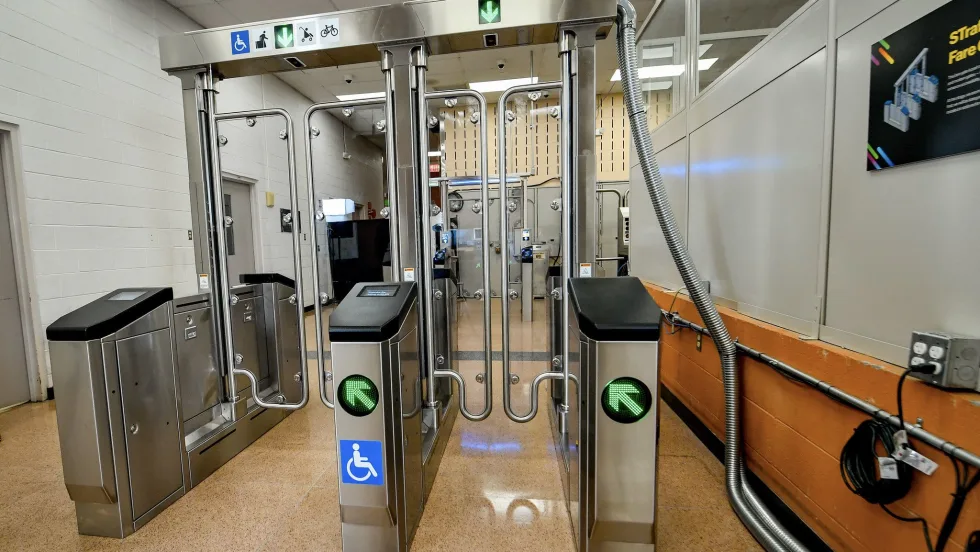
MTA Fare Gate Pilot Reduces Fare Evasion by 35%
Following a 20-station pilot, the agency plans to install new fare gates at 20 additional subway stations as part of a $1.1 billion modernization initiative.
Read More →