




RELATED: Alstom-Bombardier venture wins Spanish signaling contract
Alstom unveils tram design for Nice Côte d’Azur line
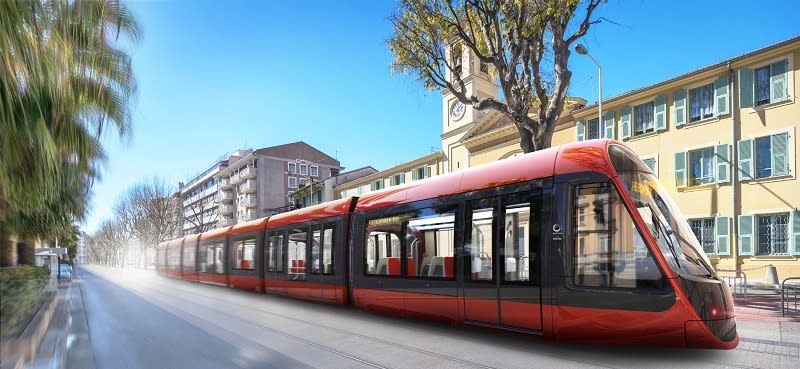
These hi-tech Citadis X05 trams will feature 40% more windows compared to the previous generation in circulation on Line 1 of the Metropole, LED lights, large individual seats and trip-related information displayed on extra-wide screens.
February 24, 2016
2 min to read
Alstom unveiled the design of its Citadis trams for the Nice Côte d’Azur Metropole, which will begin service on the East-West line and Line 3 by end of 2018 to early 2019.
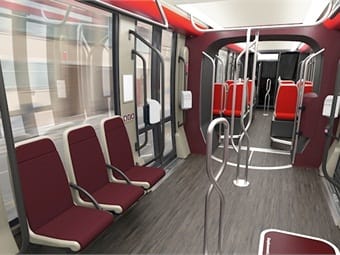
These hi-tech Citadis X05 trams will feature 40% more windows compared to the previous generation in circulation on Line 1 of the Metropole, LED lights, large individual seats and trip-related information displayed on extra-wide screens. Accessibility will be increased via double doors throughout the entire length of the tram, which will also increase the passenger exchange ratio in stations by 20%. A real-time video protection system and highly fireproof materials will ensure passenger security.
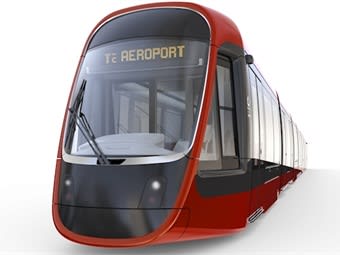
This simple design and its red ochre colour are inspired by the pigment of the façades of the buildings of Nice, such as those of the Place Massena or the Matisse museum, an elegant 17th century villa and one of the city’s most emblematic buildings.
A distinctive feature of the new tramway line is the absence of overhead catenary lines over the entire surface section of the for Line 1, combined with intermittent charging in stations. This Metropole requirement meets the desire to integrate the new tramway line into the urban landscape while preserving the city’s architecture.
The future lines of the tramway will thus be entirely catenary-free (apart from the sections in the tunnel). For this, Alstom will supply its latest ground-based static charging technology, SRS. This allows the tram to charge safely and automatically in under 20 seconds while stopped inside the station. The trams will be equipped with an on-board energy storage device, Citadis Ecopack, guaranteeing their autonomy between two recharging points. SRS draws on the functional principals and safety standards of the APS ground-level power supply. Equipped with this technology, the future trams of the East-West tramway line will be able to charge up at each station as passengers get on and off, without extra stopping time and without driver intervention.
Seven out of Alstom’s twelve plants in France are involved in the production of this tramway system for the Nice Côte d’Azur Metropole: La Rochelle for the design and assembly of the trams, Le Creusot for the bogies, Ornans for the motors, Tarbes for the traction, Villeurbanne for the onboard electronics and passenger information system, Saint-Ouen for the coordination of the design and in the Provence-Alpes-Côte d’Azur region, and Vitrolles for the ground-based static charging solution.
More Rail
Amtrak, CN Reach Agreements to Strengthen Passenger Rail Service, Safety
The agreement resolves a more than decade-long proceeding before the Surface Transportation Board concerning the terms and conditions for Amtrak services, such as the City of New Orleans, Illini/Saluki, and Wolverine.
Read More →
New York MTA Advances Final Contract for Second Avenue Subway Expansion
Contract Four is the largest in the Second Avenue Subway Phase 2 project and includes construction of station infrastructure, tracks, and signals for the subway expansion, MTA officials said. Work on Contract Four will begin in 2027.
Read More →
San Diego MTS Breaks Monthly Trolley Ridership Record
Agency officials said July’s ridership indicates MTS’s continued recovery from the pandemic.
Read More →
Report Examines NJ TRANSIT Reliability, Funding Challenges
The Garden State Initiative analysis examines the roles of Amtrak infrastructure, fleet management, and agency operations while recommending a more performance-based approach to improving reliability.
Read More →
Stadler, CapMetro Sign Long-Term Rail Fleet Support Agreement
Beginning in 2027, Stadler will provide on-site technical expertise, spare parts support, training, and obsolescence management to help extend the reliability and longevity of CapMetro’s GTW fleet.
Read More →
Biz Briefs: Alstom Lands Canadian Contract, LYT to Supply California TSP, and More
In METRO's latest installment, we take a look at recent news from Complete Coach Works, Beep, FlixBus, and more partnerships making headlines across the transportation sector.
Read More →
CATS Gold Line Marks 5 Years of Service, 2.8M Passenger Trips
With a six-mile expansion planned, the Charlotte streetcar is positioned to connect more neighborhoods and major transit hubs across the region.
Read More →
Why Simulating Pedestrian Movement Has Become Essential for Modern Rail Stations
Pedestrian microsimulation is helping rail planners identify bottlenecks, test station designs, and prepare complex transit hubs for growing passenger volumes.
Read More →
Amtrak Begins Major Construction at New York’s Sunnyside Yard
The new maintenance facility will support Amtrak’s Airo trainsets while improving maintenance efficiency and turnaround times in New York.
Read More →
Chicago Leaders Unveil Plans for O’Hare Airport Express Train
The privately developed project would offer a 15-minute trip between downtown and O’Hare’s Terminal 2, with trains operating every 15 minutes on a dedicated track. The service would use battery-electric trains and three existing freight rail rights-of-way.
Read More →