



Amtrak bolsters security during 9/11 anniversary period
Rail service is conducting more passenger and baggage screenings, increasing the use of K-9 explosive detection teams, and expanding police patrols at stations, on trains, along the tracks and other key rail infrastructure.

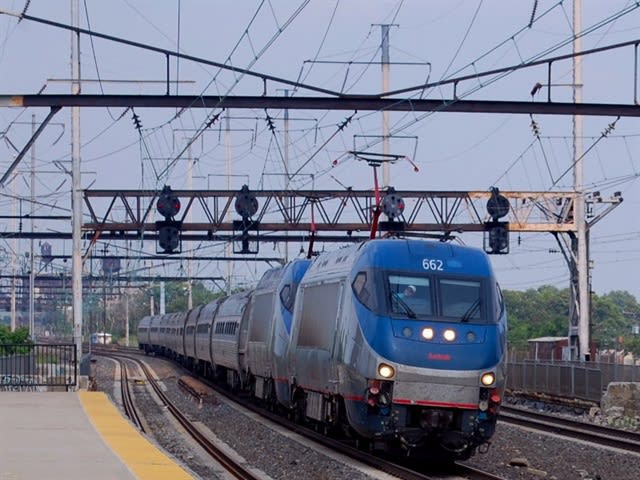
Amtrak train photo by Lexcie via Wikimedia-Commons.
[IMAGE]Amtrak-Train-161-Lexcie-via-Wikimedia-Commons--2.jpg[/IMAGE]During the 10th anniversary period of the 9/11 terrorist attacks, Amtrak is enhancing security measures by conducting more passenger and baggage screenings, increasing the use of K-9 explosive detection teams, and expanding police patrols at stations, on trains, along the tracks and other key rail infrastructure.
The Amtrak Police Department is performing these security activities in the Northeast Corridor and across the country in coordination with local, state and federal law enforcement agencies as well as with the several host railroads on whose tracks many Amtrak trains operate.
“Amtrak is committed to identifying the most likely security threats and we are focusing our efforts on defeating or deterring the most dangerous and likely threats,” said Amtrak VP and Chief of Police John O’Connor.
Ten years after the devastating attacks on 9/11, the Amtrak Police Department (APD) transitioned from a traditional police department aimed at preventing and responding to crimes, to a police and security agency geared toward anticipating security threats, in the short and long term, and staying a step ahead of them. This focus on security allows Amtrak to better protect its passengers, employees and railroad equipment, infrastructure and other facilities.
Amtrak will continue to monitor the latest technologies and look for ways to improve its security efforts. Amtrak is currently working with the Transportation Security Administration (TSA) to test, integrate and implement intrusion detection technologies to more effectively protect the right of way.
Other technologies being developed by Amtrak will improve upon existing security strategy and operations, enhance interagency information sharing and local agency response to Amtrak incidents.
Over the last decade, Amtrak implemented a number of security programs and initiatives to improve passenger rail safety and security. Efforts include the use of specially trained explosive detection and vapor wake K-9 teams; passenger and baggage screenings; and the development of strong partnerships with local, state, federal, and international agencies — including active participation in FBI Joint Terrorism Task Forces — to share intelligence and conduct joint security exercises.
Beyond APD law enforcement personnel, thousands of Amtrak employees have received security training to serve as extra eyes and ears of the railroad.
In addition, Amtrak is engaging passengers and the public to be on alert and report safety or security issues as part of a neighborhood watch style program called Partners for Amtrak Safety and Security (PASS). Individuals are encouraged to report behaviors or activities that are unusual or out of the ordinary such as trespassers and suspicious packages by calling Amtrak Police.
This past spring, Amtrak conducted focus groups with its passengers in several cities and learned that many riders felt secure on the trains, therefore were less likely to report something suspicious to police or train personnel.
The new slogan, “If you See Something, Say Something…Hopefully, its Nothing,” will be displayed today on posters at Amtrak train stations in 11 cities to include New York, Chicago, Los Angeles, Washington, D.C., Philadelphia and Baltimore. The new messaging campaign will launch nationally this fall.
More Rail

New York MTA Advances Final Contract for Second Avenue Subway Expansion
Contract Four is the largest in the Second Avenue Subway Phase 2 project and includes construction of station infrastructure, tracks, and signals for the subway expansion, MTA officials said. Work on Contract Four will begin in 2027.
Read More →
San Diego MTS Breaks Monthly Trolley Ridership Record
Agency officials said July’s ridership indicates MTS’s continued recovery from the pandemic.
Read More →
Report Examines NJ TRANSIT Reliability, Funding Challenges
The Garden State Initiative analysis examines the roles of Amtrak infrastructure, fleet management, and agency operations while recommending a more performance-based approach to improving reliability.
Read More →
Stadler, CapMetro Sign Long-Term Rail Fleet Support Agreement
Beginning in 2027, Stadler will provide on-site technical expertise, spare parts support, training, and obsolescence management to help extend the reliability and longevity of CapMetro’s GTW fleet.
Read More →
Biz Briefs: Alstom Lands Canadian Contract, LYT to Supply California TSP, and More
In METRO's latest installment, we take a look at recent news from Complete Coach Works, Beep, FlixBus, and more partnerships making headlines across the transportation sector.
Read More →
CATS Gold Line Marks 5 Years of Service, 2.8M Passenger Trips
With a six-mile expansion planned, the Charlotte streetcar is positioned to connect more neighborhoods and major transit hubs across the region.
Read More →
Why Simulating Pedestrian Movement Has Become Essential for Modern Rail Stations
Pedestrian microsimulation is helping rail planners identify bottlenecks, test station designs, and prepare complex transit hubs for growing passenger volumes.
Read More →
Amtrak Begins Major Construction at New York’s Sunnyside Yard
The new maintenance facility will support Amtrak’s Airo trainsets while improving maintenance efficiency and turnaround times in New York.
Read More →
Chicago Leaders Unveil Plans for O’Hare Airport Express Train
The privately developed project would offer a 15-minute trip between downtown and O’Hare’s Terminal 2, with trains operating every 15 minutes on a dedicated track. The service would use battery-electric trains and three existing freight rail rights-of-way.
Read More →
OCTA Maps Out 30-Year Strategy to Protect Coastal Rail Corridor
The draft feasibility report identifies strategies to protect the coastal rail line for decades as the agency continues near-term stabilization and sand placement efforts.
Read More →