



Amtrak CEO: System funded 88% of operating costs
Joe Boardman explained to congressional committee that while the railroad has taken actions to chip away at operating costs and increase revenue, a vital component of its success has been the federal government’s willingness to invest in the Amtrak national network.

Amtrak President/CEO Joe Boardman told a Congressional committee that the intercity passenger train service is leveraging record ridership to reduce dependence on federal operating subsidies. He announced that in FY 2012, the federal government paid just 12% of Amtrak’s operating costs while Amtrak covered 88% with ticket sales and other revenue.
Boardman explained that while the railroad has taken actions to chip away at operating costs and increase revenue, a vital component of its success has been the federal government’s willingness to invest in the Amtrak national network. Federal capital investment helps to reduce operating costs, supports the existing system, funds solutions to reduce future costs, and provides the infrastructure and equipment to sustain ridership and revenue growth.
“Previous federal capital investment levels have sufficed to keep the system going, but they are not going to be adequate in the future,” Boardman stressed. “If we are to realize rail’s potential, we will need much higher levels of federal capital funding.”
He added that the Amtrak long distance trains are an important part of a larger national network connecting rural communities to larger cities and major urban areas. They serve passengers with disabilities, the elderly and rural populations that are losing scheduled intercity air and bus service.
More Rail
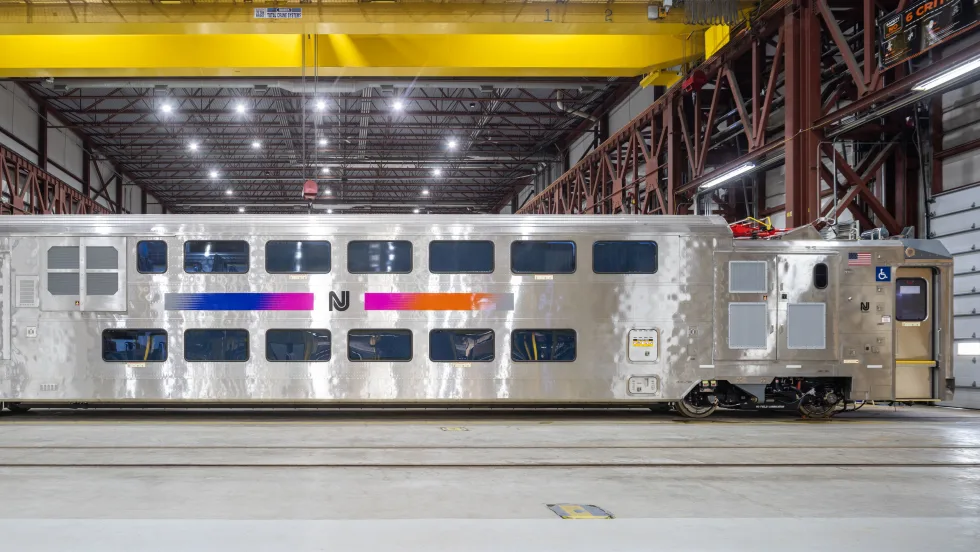
NJ TRANSIT Approves $65.6M for Hudson-Bergen Light Rail Improvements
The funding marks the first phase of a planned $250 million investment over five years to modernize stations, overhaul vehicles, and improve system reliability and passenger safety.
Read More →
STraffic Expands North American Presence with Fare Collection Technology
John Moon, Associate Director, Product Strategy at STraffic, discusses the company's growth in North America, its efforts to reduce fare evasion, and more.
Read More →
Study: Denver RTD Generates $2.1 Billion in Annual Economic Activity
An economic impact study finds the agency supports approximately 17,500 jobs, delivers $1.6 billion in annual community and mobility benefits, and generates $2.42 in economic value for every dollar invested.
Read More →
Mark Aesch Nominated to Lead Federal Transit Administration
The former Rochester transit chief and TransPro founder, who has also contributed to METRO Magazine, brings decades of industry experience and a focus on performance, accountability, and financial sustainability to the nomination.
Read More →
Transit Expands Agency Partnerships, Reaching 200 Official App Partners
COO Jake Sion discusses Transit’s growth, the success of its Transit Royale program, and how technology is helping agencies improve the rider experience.
Read More →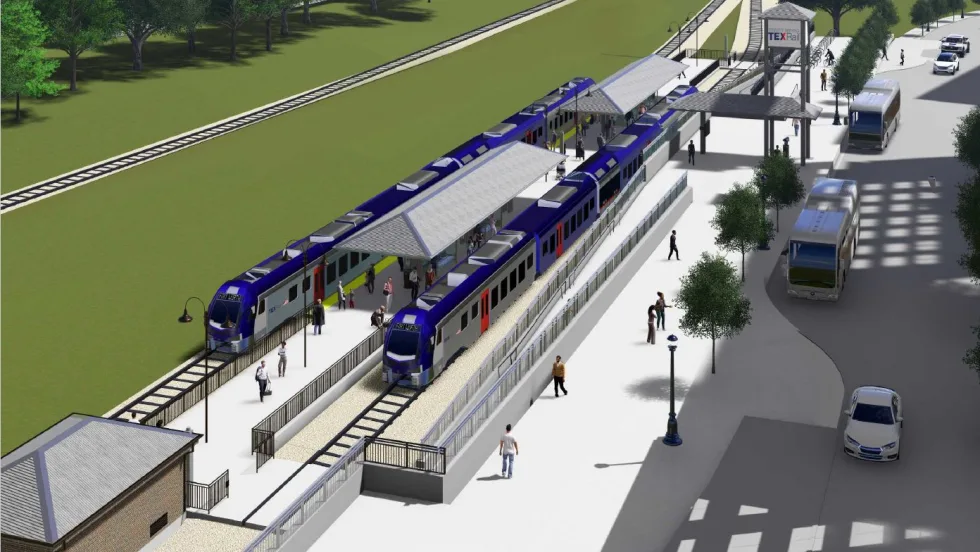
Trinity Metro Breaks Ground on $270M TEXRail Extension
The 2.1-mile extension will connect Fort Worth’s Medical District and Near Southside to downtown, surrounding communities, and Dallas-Fort Worth International Airport.
Read More →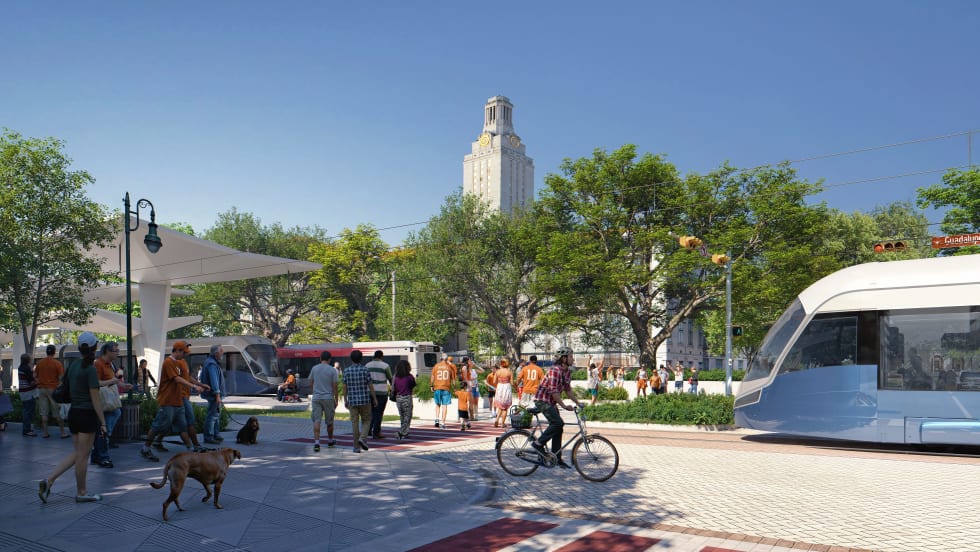
Bringing Austin’s First Light Rail System to Life
Austin Transit Partnership CEO Greg Canally discusses the city's nearly 10-mile light rail project, its collaborative approach to project delivery, the importance of community engagement, and the milestones ahead as construction approaches in 2027.
Read More →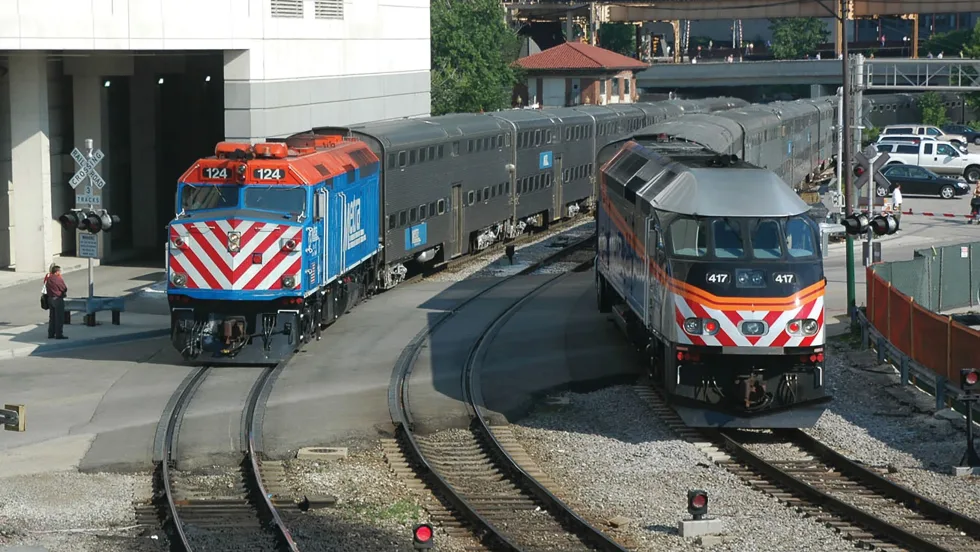
Metra Draft Plan Outlines Costs, Service Improvements for Regional Rail
The Systemwide Network Plan identifies infrastructure needs and potential investments to expand all-day, bidirectional rail service across the Chicago region.
Read More →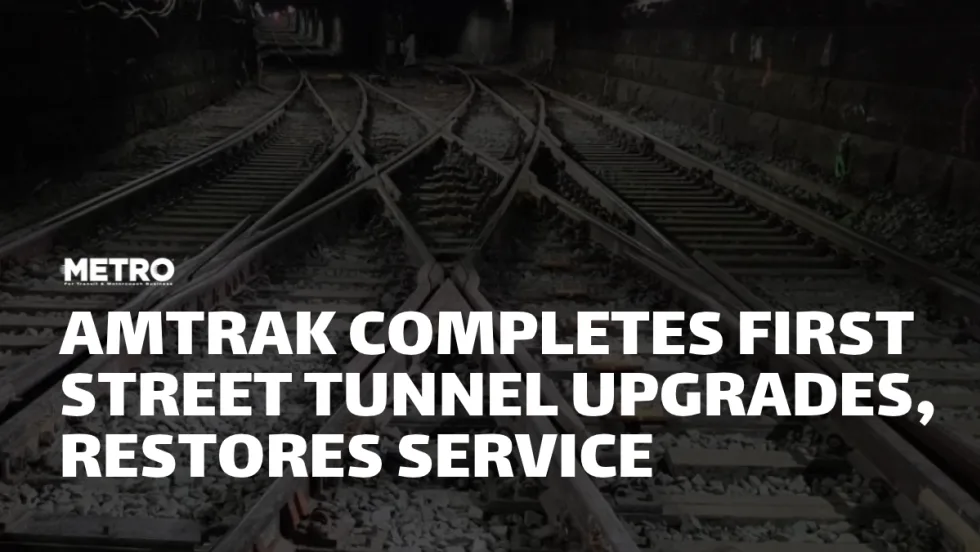
Amtrak Completes First Street Tunnel Upgrades, Restores Service
The nine-day construction project included replacing aging track infrastructure and modernizing switch systems near Washington Union Station.
Read More →
FRA Announces $2.3B for Passenger, Freight Rail Projects Nationwide
The CRISI Grant Program funding will support rail infrastructure improvements, safety upgrades, and projects aimed at improving freight and passenger rail service across 45 states and Washington, D.C.
Read More →