



Amtrak cites customer satisfaction, safety as factors for record ridership
This year, the agency became the first major U.S.-based railroad to implement a Safety Management System, a proactive approach to managing safety, resulting in significant improvement.

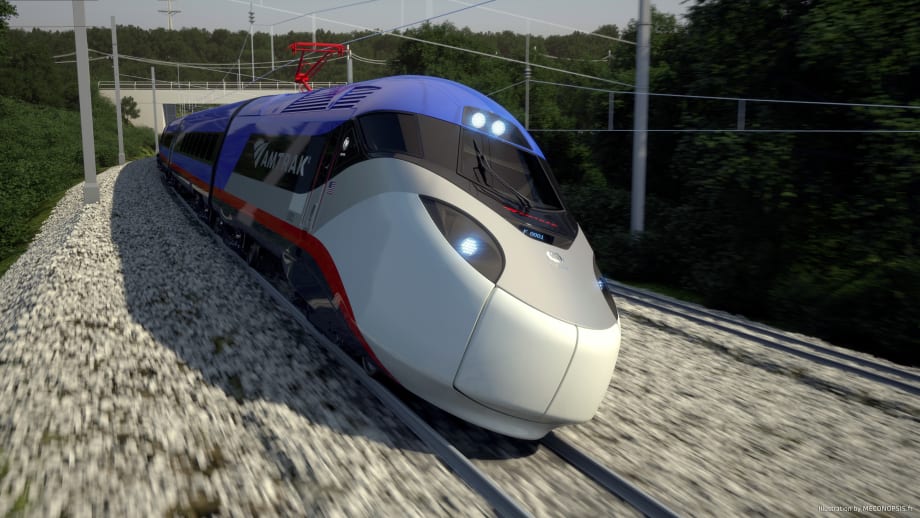
A driver of this year’s success was the customer service delivered by Amtrak employees and a record $1.6 billion investment on capital assets.
Amtrak
A driver of this year’s success was the customer service delivered by Amtrak employees and a record $1.6 billion investment on capital assets.
Amtrak
Amtrak delivered its best operating performance in company history this past fiscal year, with the company touting its continued investment in safety and the customer experience as key factors to its success.
Preliminary results for fiscal year 2019 (Oct. 2018-Sept. 2019) include:
Safety: Implemented a Safety Management System and expanded Positive Train Control (PTC) operations, resulting in improvements in a broad range of safety metrics.
Capital Investment: $1.6 billion, 9.4% higher than last year’s investment.
Ridership: Set a company record providing 32.5 million customer trips, a year-over-year increase of 800,000 passengers.
Operating Earnings: ($29.8 million), The best operating performance in history, improving earnings by $140.9 million or 82.6% over FY 2018, which was ($170.6 million).
Total Operating Revenue: $3.3 billion, increased 3.6% over FY 2018.
In FY2019, Amtrak was the first major U.S.-based railroad to implement a Safety Management System, a proactive approach to managing safety, resulting in significant improvements, including: a 26% reduction in customer incidents; 72% fewer serious employee injuries; a 10% reduction in Federal Railroad Administration reportable injuries; and a 3% reduction in trespasser and grade crossing incidents. Additionally, PTC installation was completed on nearly all Amtrak-owned and controlled track.
Another driver of this year’s success was the customer service delivered by Amtrak employees and a record $1.6 billion investment on capital assets, including refreshed equipment; technology upgrades like updating the Amtrak mobile app and offering assigned seating; state-of-good-repair work on the Northeast Corridor (NEC) improved overall reliability and performance; station upgrades and enhanced lounges; and other customer-friendly benefits that support the long-term growth of intercity passenger rail.
Amtrak reports its customers have noticed the improvements, with nearly 9 out of 10 customers surveyed expressing overall satisfaction with their experience. The agency achieved a year-over-year increase in customer satisfaction scores in many categories, including clean train interiors, restroom cleanliness, and information about delays. Acela and Northeast Regional customers noticed improvements and were increasingly likely to recommend Amtrak to family, friends, and colleagues.
NEC and State Supported lines all experienced record growth in ridership, with Acela leading the charge at 4.3%, Northeast Regional at 2.9% and state-supported services at 2.4%. Long distance ridership was up nearly 1%.
More Rail

New York MTA Advances Final Contract for Second Avenue Subway Expansion
Contract Four is the largest in the Second Avenue Subway Phase 2 project and includes construction of station infrastructure, tracks, and signals for the subway expansion, MTA officials said. Work on Contract Four will begin in 2027.
Read More →
San Diego MTS Breaks Monthly Trolley Ridership Record
Agency officials said July’s ridership indicates MTS’s continued recovery from the pandemic.
Read More →
Report Examines NJ TRANSIT Reliability, Funding Challenges
The Garden State Initiative analysis examines the roles of Amtrak infrastructure, fleet management, and agency operations while recommending a more performance-based approach to improving reliability.
Read More →
Stadler, CapMetro Sign Long-Term Rail Fleet Support Agreement
Beginning in 2027, Stadler will provide on-site technical expertise, spare parts support, training, and obsolescence management to help extend the reliability and longevity of CapMetro’s GTW fleet.
Read More →
Biz Briefs: Alstom Lands Canadian Contract, LYT to Supply California TSP, and More
In METRO's latest installment, we take a look at recent news from Complete Coach Works, Beep, FlixBus, and more partnerships making headlines across the transportation sector.
Read More →
CATS Gold Line Marks 5 Years of Service, 2.8M Passenger Trips
With a six-mile expansion planned, the Charlotte streetcar is positioned to connect more neighborhoods and major transit hubs across the region.
Read More →
Why Simulating Pedestrian Movement Has Become Essential for Modern Rail Stations
Pedestrian microsimulation is helping rail planners identify bottlenecks, test station designs, and prepare complex transit hubs for growing passenger volumes.
Read More →
Amtrak Begins Major Construction at New York’s Sunnyside Yard
The new maintenance facility will support Amtrak’s Airo trainsets while improving maintenance efficiency and turnaround times in New York.
Read More →
Chicago Leaders Unveil Plans for O’Hare Airport Express Train
The privately developed project would offer a 15-minute trip between downtown and O’Hare’s Terminal 2, with trains operating every 15 minutes on a dedicated track. The service would use battery-electric trains and three existing freight rail rights-of-way.
Read More →
OCTA Maps Out 30-Year Strategy to Protect Coastal Rail Corridor
The draft feasibility report identifies strategies to protect the coastal rail line for decades as the agency continues near-term stabilization and sand placement efforts.
Read More →