



Amtrak Debuts New Integration with Google
Amtrak information will appear in Google search results when a user indicates they are considering rail travel between two Amtrak destinations.

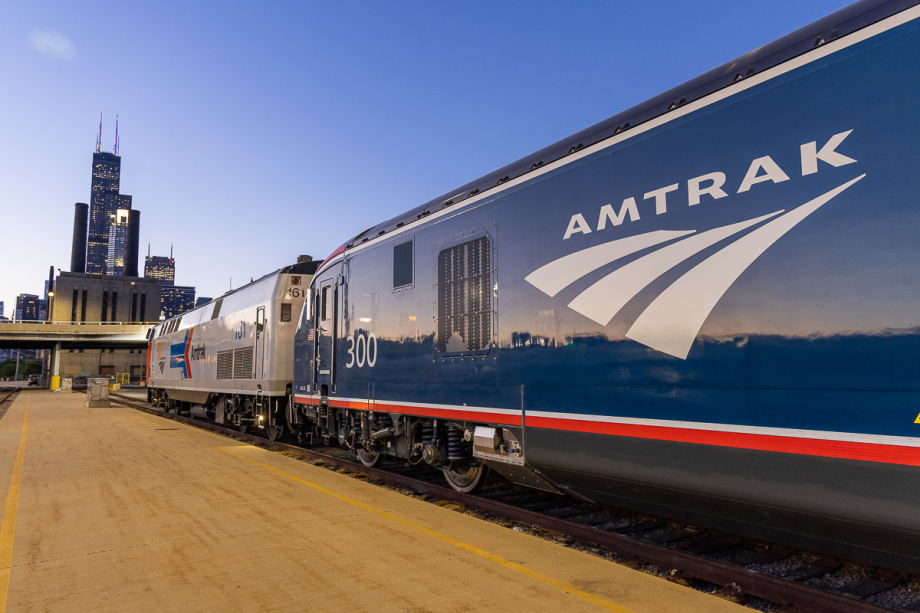
Amtrak has set ambitious new targets including a goal to achieve net-zero greenhouse gas emissions across the Amtrak Network by 2045.
Photo: Amtrak
Thanks to a newly launched, direct data integration, travelers using Google can now view the most up-to-date Amtrak departure times, trip durations and fares directly on the Google Search results page.
Amtrak’s new integration with Google also means that once customers select a train, they can click through to Amtrak.com to complete the booking for their chosen itinerary without needing to re-enter their trip details.
Planning on Google
Amtrak information will appear in Google search results when a user indicates they are considering rail travel between two Amtrak destinations.
As part of this integration, Google will also show train suggestions when travelers look for flights on Google Search or Google Flights, helping people consider more sustainable options when deciding how to get from A to B.
“One of the biggest impacts we can make toward climate change is shifting the way people get around,” said Amtrak President Roger Harris. “As we continue offering services that motivate people to shift out of cars and planes into trains, we are thrilled that this integration makes it even easier for users to find rail options for their travel needs while also potentially lowering their carbon emissions.”
How it Works
When a user searches for flights and Amtrak offers a reasonable alternative, train suggestions can appear in the search results.
Each time a customer chooses Amtrak instead of flying, they can reduce their carbon footprint by up to 72%.
As Amtrak looks to the future, the U.S. has an opportunity to make use of an unparalleled asset — the railway infrastructure, the world’s largest by mileage — to support an expanded network of low-carbon, high-capacity intercity passenger rail routes that can materially enhance the economy, improve communities, and create opportunities for travelers and workers alike.
Amtrak information appears in Google search results when a user indicates they are considering rail travel between two Amtrak destinations.
Amtrak Reducing GHGs
Amtrak has set ambitious new targets including a goal to achieve net-zero greenhouse gas emissions across the Amtrak Network by 2045.
The net-zero emissions target focuses on expanding efforts across Amtrak’s entire carbon footprint to reduce environmental impacts from operations while safely moving people.
More Technology

From Hardware to Digital Partner: Luminator Charts Its Next Chapter
CEO Magnus Friberg discusses Luminator’s shift toward becoming a digital partner, the growing importance of software and interoperability, and how AI can help agencies improve operations and passenger experience.
Read More →
Beyond the Checklist: A Structured Approach to Transit Maintenance
Reliability-Centered Maintenance helps transit agencies move beyond routine checklists to focus limited resources on the assets and failures that have the greatest impact on safety, reliability, and service.
Read More →
NJ TRANSIT Advances Bus Technology Upgrades Across Statewide Fleet
More than 1,500 buses now feature upgraded technology designed to improve arrival predictions and provide free Wi-Fi, with deployment expected to reach nearly 2,000 buses by the end of 2026.
Read More →

Building a Flexible Path to Transit Electrification
John Hroncich discusses BAE Systems’ modular and scalable approach, lessons learned from decades of real-world operations, and how agencies can identify electrification strategies that fit their fleets.
Read More →
Biz Briefs: Alstom Lands Canadian Contract, LYT to Supply California TSP, and More
In METRO's latest installment, we take a look at recent news from Complete Coach Works, Beep, FlixBus, and more partnerships making headlines across the transportation sector.
Read More →
From Legacy Silos to Conversational Intelligence
What if transit leaders could ask any operational question and get a trusted answer in seconds? Conversational AI is transforming how agencies use their data.
Read More →
USDOT Announces Rail Vehicle Replacement Grants, Chattanooga AV Shuttle Funding
More than $191 million in federal funding will help three transit agencies replace aging rail vehicles and support a new autonomous shuttle service in Chattanooga.
Read More →
Bus Tech Talk: Keeping Transit Technicians Ahead of the Technology Curve
LA Metro’s Obed Mejia discusses technician training, evolving maintenance technology, fleet replacement, and strategies for getting the most out of today’s transit fleets.
Read More →
Biz Briefs: RIPTA Unveils New Frontrunners, Clevland RTA Adds New Siemens, and More
In METRO's latest installment, we take a look at recent news from Siemens, Prevost, Dodge, and more partnerships making headlines across the transportation sector.
Read More →
Why Simulating Pedestrian Movement Has Become Essential for Modern Rail Stations
Pedestrian microsimulation is helping rail planners identify bottlenecks, test station designs, and prepare complex transit hubs for growing passenger volumes.
Read More →