




RELATED: Amtrak investigation turns to why equipment on tracks
Amtrak engineer in Pa. train crash tested positive for marijuana, opioids
The findings are part of the information released on Thursday by the National Transportation Safety Board, with the agency expected to release their conclusions on the cause of derailment later this year.
January 26, 2017
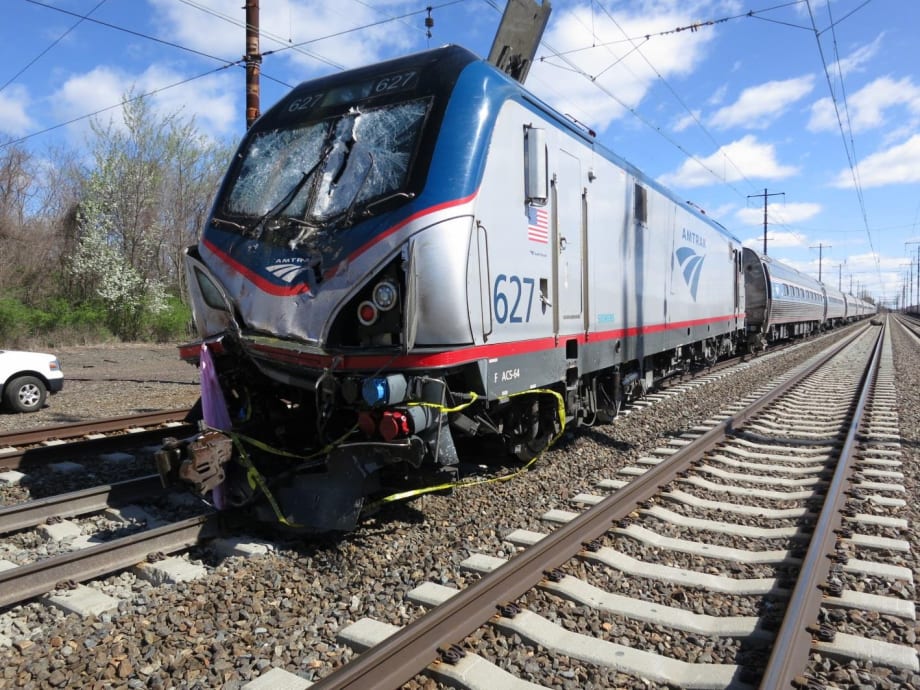
NTSB
1 min to read

WASHINGTON, D.C. — The engineer of Amtrak train 89, which derailed in Chester City, Pa. in April, killing two, tested positive for marijuana and opioids, The Inquirer reports.
The findings are part of the information released on Thursday by the National Transportation Safety Board, with the agency expected to release their conclusions on the cause of derailment later this year.
The train was traveling at 106 mph and the engineer reported seeing no flag men or whistle boards, which might have warned him to the presence of the two workers on the track who were killed, as he neared the work site. He saw a large piece of equipment on an adjacent track and then, seconds later, according to documents, saw the backhoe in his path. He then sounded his horn and applied emergency braking. For the full story, click here.
NTSB opens docket for 2016 Amtrak accident near Chester, Pennsylvania https://t.co/NDTAVmGo21.
— NTSB_Newsroom (@NTSB_Newsroom) January 26, 2017
More Security and Safety
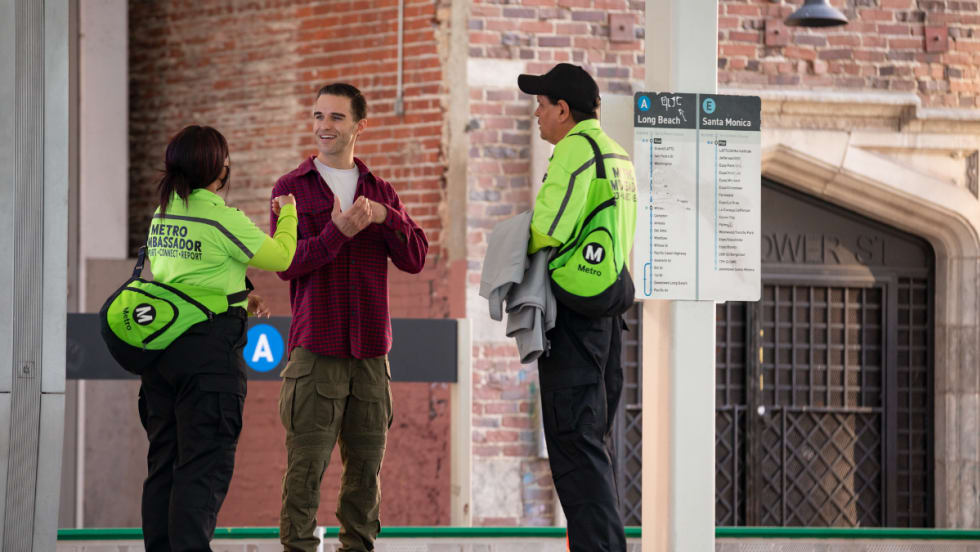
LA Metro Reports 57% Decline in Homelessness on Transit System Since 2024
The agency's latest homelessness count offers new data on how care-based services and cross-sector partnerships can complement traditional transit security strategies.
Read More →
FTA Launches 'Transit Moves America' Dashboard to Highlight Agency Safety and Performance
The online dashboard transforms National Transit Database information into a public-facing resource that allows users to compare transit agencies on key operational and safety metrics.
Read More →
LA Metro Marks Banner Year, Sets Ambitious Goals for New Fiscal Year
Incoming LA Metro Board Chair and Los Angeles Mayor Karen Bass joined outgoing Board Chair Fernando Dutra and LA Metro CEO Stephanie Wiggins to review accomplishments from fiscal year 2026, which included the opening of new rail extensions, advancement of major transit projects, expanded safety programs, and new rider amenities.
Read More →
Building the Next Generation of Transit Technology
In this edition of METROspectives, Luminator CEO Magnus Friberg discusses the company's transformation, the growing role of AI and software, and what's next for transit technology.
Read More →
TTC Launches Camera Pilot to Curb Illegal Passing of Streetcars
During the pilot, the cameras will measure how often illegal streetcar passing occurs and test the technology's reliability for future automated enforcement.
Read More →
Biz Briefs: Masabi Teams with St. Louis Metro and More
In METRO's latest installment, we take a look at recent news from Transdev, Hitachi, and more partnerships making headlines across the transportation sector.
Read More →
Metra Begins Drone Pilot Project to Boost Safety and Security
The project is funded through a $620,000 grant from FEMA’s Transit Security Grant Program, which provides transit agencies with funding for projects intended to protect critical transportation infrastructure and the traveling public.
Read More →
Building the Next Generation of Transit Technology
In this edition of METROspectives, Luminator CEO Magnus Friberg discusses the company's transformation, the growing role of AI and software, and what's next for transit technology.
Read More →
APTA Recognizes Excellence in Rail Safety and Security at 2026 Rail Conference
Nominations are evaluated on four criteria: effectiveness, benefit level, innovation, and transferability.
Read More →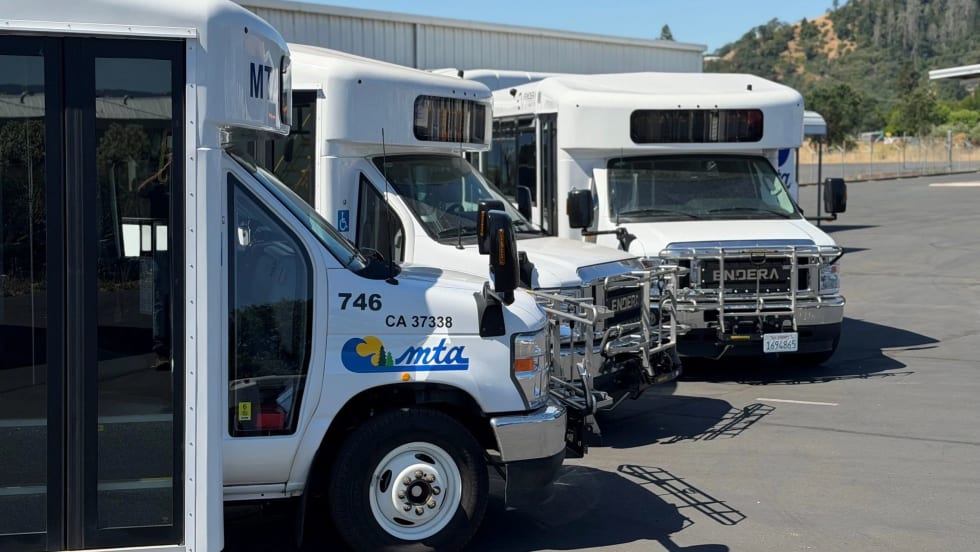
Biz Briefs: Endera Delivers to California, Safety Vision Teams with San Antonio's VIA, and More
From manufacturers and suppliers to transit agencies and motorcoach operators, these updates offer a snapshot of the projects, partnerships and business moves driving the industry forward.
Read More →