



Amtrak Makes Major Customer Experience Investments in Comfort, Modernization
In all, more than 450 railcars will be refreshed over the next three years at an investment of $28 million, extending the useful life and modernizing cars that were delivered in the 1980s and 1990s.
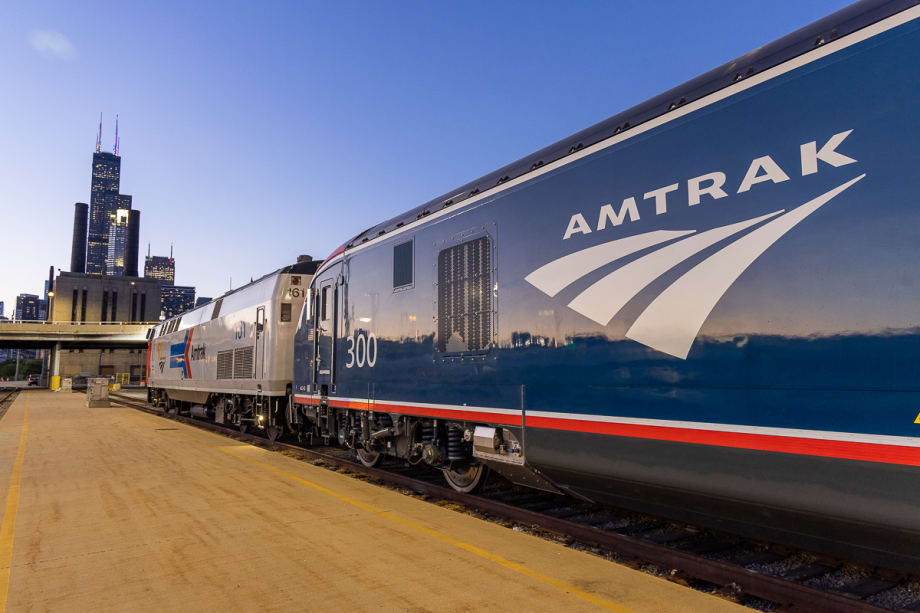
The new locomotives are designated as ALC-42 for “Amtrak Long-distance Charger, 4,200-horsepower” and 75 of these units have been ordered from Siemens Mobility in Sacramento, Calif.
Photos courtesy Amtrak
Amtrak initiated a multi-million-dollar, multi-year project to improve the customer experience aboard its long-distance trains serving overnight routes across the country. Elements of this work were displayed this week at Chicago Union Station.
Modernized interiors of Amtrak’s bi-level “Superliner” fleet, serving primarily midwestern, southern, and western routes, will improve comfort with new seating cushions and upholstery, carpet, LED lighting, tables, and curtains. All Superliner Coaches, Sleeping Cars, Dining Cars, and Sightseer Lounges will be refreshed. “Viewliner I” Sleeping Cars operating to and from the east and southeast will be similarly improved.
In all, more than 450 railcars will be refreshed over the next three years at an investment of $28 million, extending the useful life and modernizing cars that were delivered in the 1980s and 1990s. The first refreshed coaches will carry travelers this summer, with the other three types of Superliners deployed starting this fall.

Modernized interiors of Amtrak’s bi-level “Superliner” fleet, serving primarily midwestern, southern, and western routes, will improve comfort with new seating cushions and upholstery, carpet, LED lighting, tables, and curtains.
Also at the Chicago event, Amtrak showed the first of its new U.S.-built low-emissions diesel-electric locomotives that are cleaner and faster than the ones they are replacing. The new locomotives are designated as ALC-42 for “Amtrak Long-distance Charger, 4,200-horsepower” and 75 of these units have been ordered from Siemens Mobility in Sacramento, Calif.
These are just the latest in a series of Amtrak customer experience improvements in recent days. Others include:
The just announced restoration of traditional dining service on six western routes, starting June 23. Menus from the reimagined and enhanced service were shown at this event.
Completed earlier this month was the resumption of daily service for 12 long distance routes, following almost eight months of pandemic-related schedule reductions.
The new electronic USA Rail Pass, an affordable way to take a multi-segment train journey across America, is now offering convenient self-service features for travelers. USA Rail Pass customers can take up to ten rides in a 30-day period to see the country and explore sights at more than 500 destinations. It is available for $299 through June 22, a savings of $200.
An expanded BidUp program now offers customers an opportunity to place a bid to upgrade into one of Amtrak’s premium services, including from coach class to private rooms.
More Rail

New York MTA Advances Final Contract for Second Avenue Subway Expansion
Contract Four is the largest in the Second Avenue Subway Phase 2 project and includes construction of station infrastructure, tracks, and signals for the subway expansion, MTA officials said. Work on Contract Four will begin in 2027.
Read More →
San Diego MTS Breaks Monthly Trolley Ridership Record
Agency officials said July’s ridership indicates MTS’s continued recovery from the pandemic.
Read More →
Report Examines NJ TRANSIT Reliability, Funding Challenges
The Garden State Initiative analysis examines the roles of Amtrak infrastructure, fleet management, and agency operations while recommending a more performance-based approach to improving reliability.
Read More →
Stadler, CapMetro Sign Long-Term Rail Fleet Support Agreement
Beginning in 2027, Stadler will provide on-site technical expertise, spare parts support, training, and obsolescence management to help extend the reliability and longevity of CapMetro’s GTW fleet.
Read More →
Biz Briefs: Alstom Lands Canadian Contract, LYT to Supply California TSP, and More
In METRO's latest installment, we take a look at recent news from Complete Coach Works, Beep, FlixBus, and more partnerships making headlines across the transportation sector.
Read More →
CATS Gold Line Marks 5 Years of Service, 2.8M Passenger Trips
With a six-mile expansion planned, the Charlotte streetcar is positioned to connect more neighborhoods and major transit hubs across the region.
Read More →
Why Simulating Pedestrian Movement Has Become Essential for Modern Rail Stations
Pedestrian microsimulation is helping rail planners identify bottlenecks, test station designs, and prepare complex transit hubs for growing passenger volumes.
Read More →
Amtrak Begins Major Construction at New York’s Sunnyside Yard
The new maintenance facility will support Amtrak’s Airo trainsets while improving maintenance efficiency and turnaround times in New York.
Read More →
Chicago Leaders Unveil Plans for O’Hare Airport Express Train
The privately developed project would offer a 15-minute trip between downtown and O’Hare’s Terminal 2, with trains operating every 15 minutes on a dedicated track. The service would use battery-electric trains and three existing freight rail rights-of-way.
Read More →
OCTA Maps Out 30-Year Strategy to Protect Coastal Rail Corridor
The draft feasibility report identifies strategies to protect the coastal rail line for decades as the agency continues near-term stabilization and sand placement efforts.
Read More →