



APTA, BAF: Pass fully-funded transportation bill
Groups released a study predicting that record numbers of Americans will turn to public transportation as a cost-cutting measure in the face of volatile gas prices. To meet this impending surge in demand, they are calling on Congress to pass a multi-year, fully funded surface transportation bill.

The American Public Transportation Association (APTA) and Building America’s Future (BAF), a bipartisan coalition, released a study predicting that record numbers of Americans will turn to public transportation as a cost-cutting measure in the face of volatile gas prices. To meet this impending surge in demand, APTA and BAF are calling on Congress to pass a multi-year, fully funded surface transportation bill as the Senate and House begin Conference Committee negotiations.
The analysis used historical trends and independent research data to make predictions on the impact gas prices would have on public transit ridership across the nation. It showed that, on average, nationwide public transportation systems will add nearly 200 million new trips this year, even as gas prices fluctuate by as much as 50 cents per gallon.
For example, as gas prices approached an average of $4 a gallon nationally this year, the analysis predicted an additional 290 million passenger trips could be expected on average for the year, resulting in more than 10.7 billion trips per year. Even as gas prices drop to $3.75, the analysis predicted there would still be an additional 240 million passenger trips because of the volatile up and down nature of fuel prices. These behaviors show that Americans are looking for a long-term, sustainable alternative to driving.
APTA and BAF noted that commuters are initially drawn to public transportation because of gas price spikes but remained public transit users even when gas prices drop because of the numerous benefits of public transportation. The groups said that the nation’s public transportation infrastructure is not prepared to handle the long-term unpredictable nature of gas prices.
“Whether it is by bus or train, millions of Americans rely on public transportation every day and mobility in our nation’s most populated areas depends on effective transportation options,” said Ed Rendell, former governor of Pennsylvania and co-chair of BAF. “Without reliable transit systems, congestion in our metro areas will rise to unacceptable levels. With more people expected to ride already overburdened transit systems, it is imperative that Congress act and pass a well-funded, multi-year transportation bill as soon as possible.”
“The volatility of gas prices continue to highlight the vital need for our nation’s leaders to provide long-term solutions to the increasing demand for public transportation,” said APTA President Michael Melaniphy. “Nearly all experts agree that the swings in gas prices will continue for the foreseeable future. As millions of Americans are expected to turn to public transportation for a way to save money, we must address the ongoing capacity issues faced by many systems around the country. Congress must provide stable investments to allow public transit systems of all sizes from coast to coast to meet demand.”
“This study emphasizes that the elasticity of gas prices proves that Americans across this country view public transportation as an integral part of the transportation network,” said Gary Thomas, president/executive director of Dallas Area Rapid Transit and chairman of the APTA. “Since the public views our commuting network as one cohesive system, we should fund and build it as one system where both public transportation and our road network complement each other.”
The projected estimates use the 2011 APTA Public Transportation Ridership Report as a baseline. To show ridership growth, this elasticity projection is compared to a given increase above the average price for regular gasoline as reported in the last 2011 report by the Energy Information Administration of the U.S. Department of Energy.
A copy of the report can be found at www.apta.com.
More Paratransit
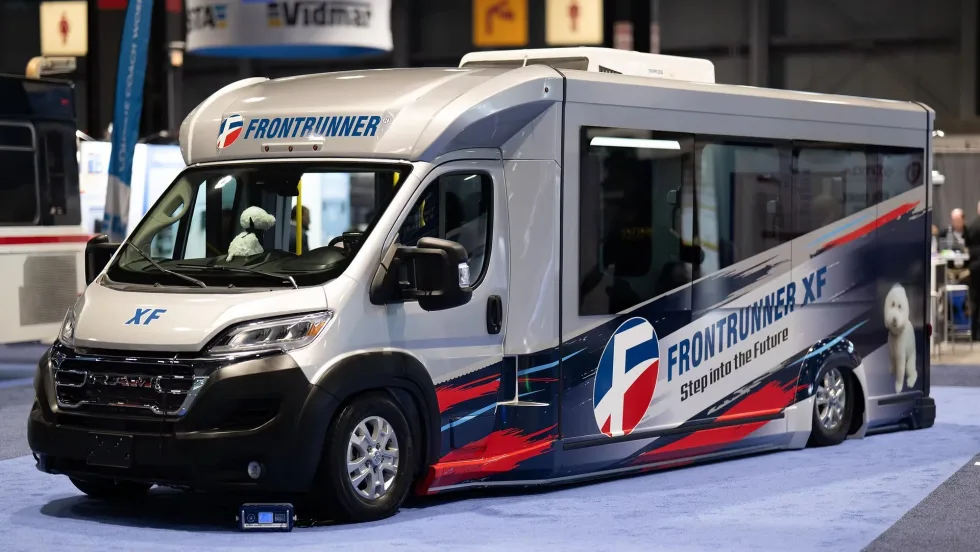
Frontrunner Bus Group Introduces XF Low-Floor Bus with Enhanced Accessibility
The new mid-sized bus features a full flat-floor design, eight-inch curbside step-in height, and zero-entry rear ramp to improve passenger access and operational flexibility.
Read More →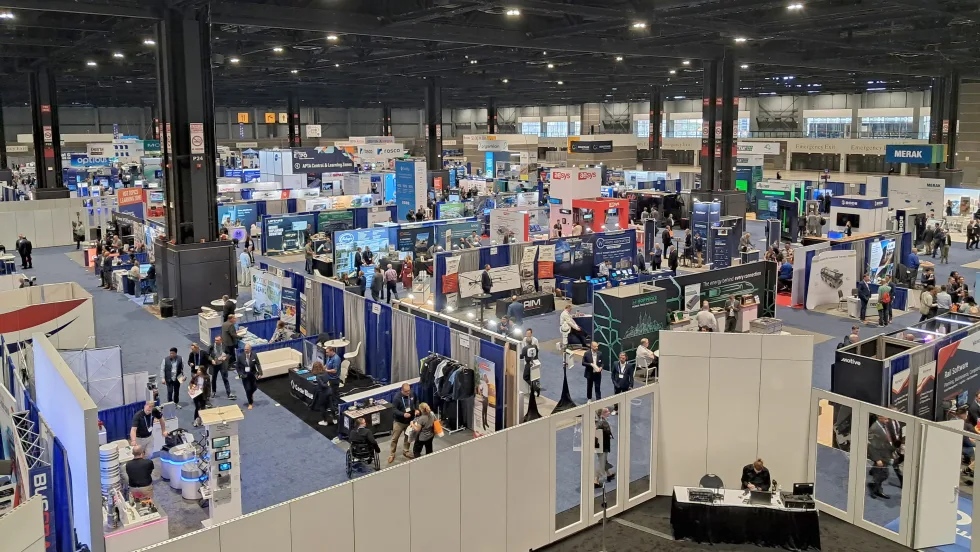
Scenes from APTA TRANSform & EXPO 2026
Transit leaders, manufacturers, and industry professionals gathered in Chicago to explore new technologies, share ideas, and discuss the future of public transportation.
Read More →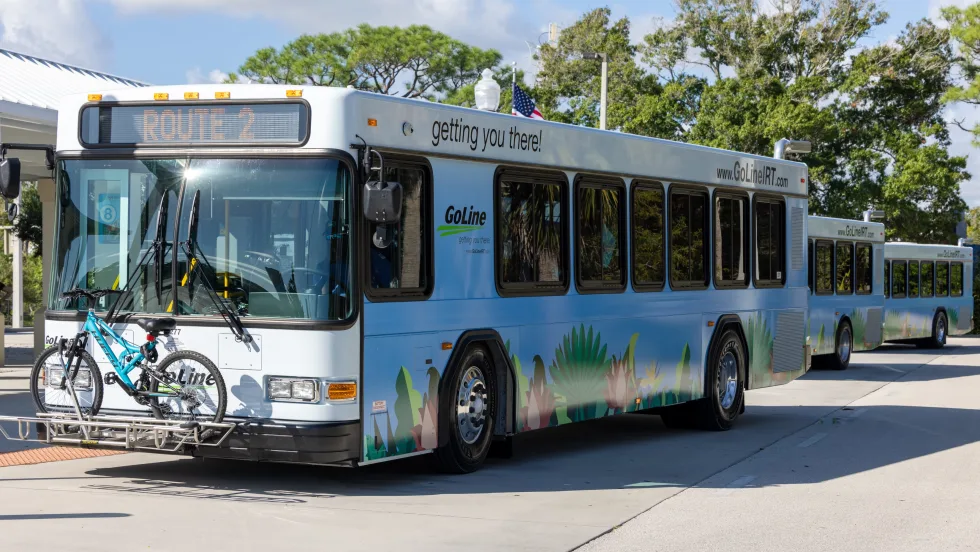
Indian River Transit’s Community-Focused Approach Earns National Recognition
Named APTA’s 2026 Outstanding Public Transportation System in its size category, Florida’s Indian River County transit system continues to grow ridership through fare-free service and a focus on evolving community needs.
Read More →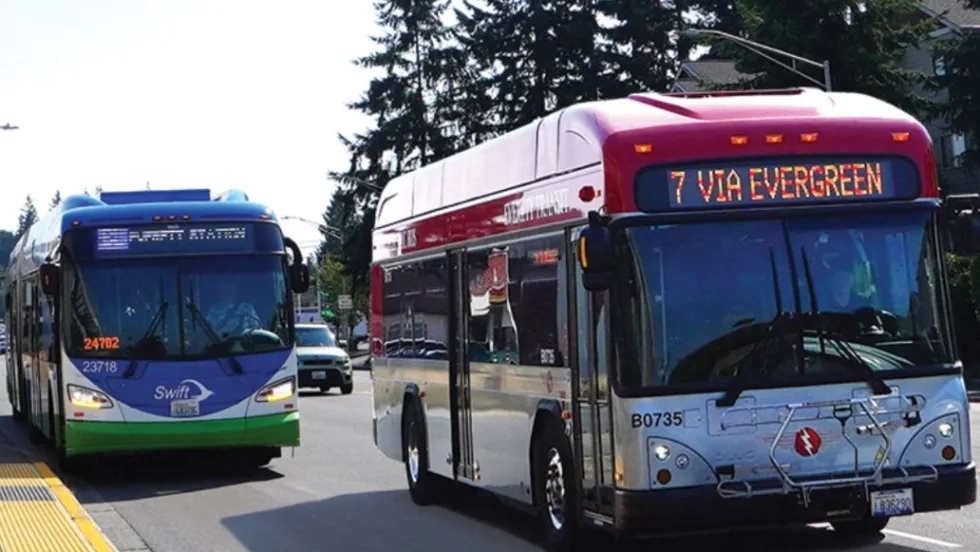
Everett Transit, Community Transit Outline Consolidation Agreement
The proposed agreement calls for a 50% increase in bus service in Everett, a new microtransit zone, continued paratransit service, and the transfer of Everett Transit operations to Community Transit.
Read More →
Driving Smarter Paratransit
John Hanlon shares how AlphaRoute is leveraging AI-powered technology to help paratransit providers optimize operations, support frontline staff, and enhance the rider experience.
Read More →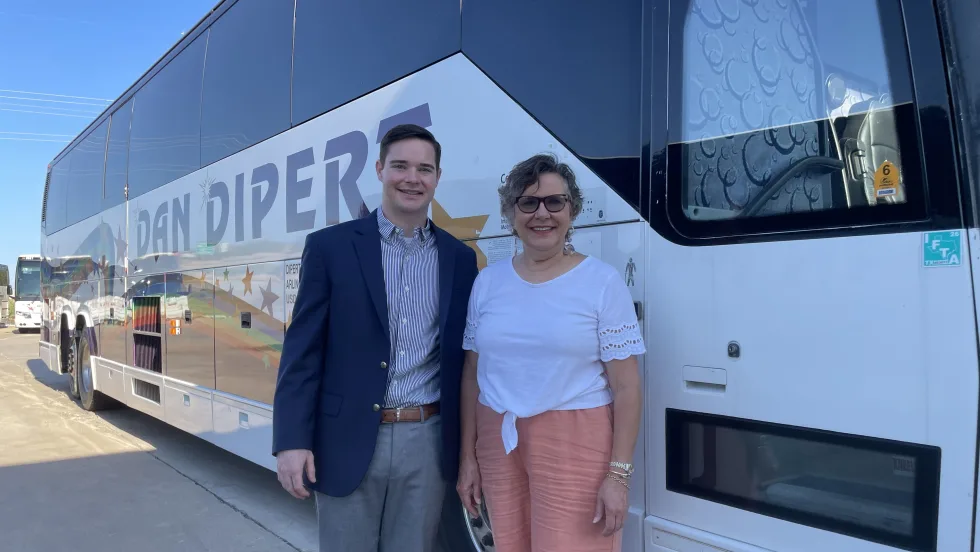
People Movement: Dan Dipert Coaches Adds Third-Generation Leader, Keolis Names New Valley Metro VP/GM, and More
In this edition, we also cover recent appointments and announcements at the Wabtec, SilverRide, HNTB, and more, showcasing the individuals helping to shape the future of transportation.
Read More →
Biz Briefs: RIPTA Unveils New Frontrunners, Clevland RTA Adds New Siemens, and More
In METRO's latest installment, we take a look at recent news from Siemens, Prevost, Dodge, and more partnerships making headlines across the transportation sector.
Read More →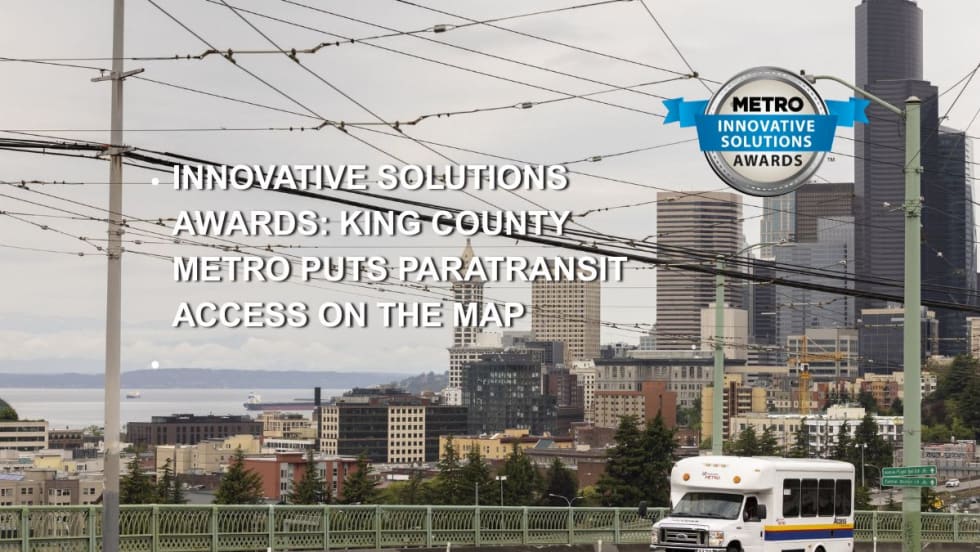
King County Metro Makes ADA Paratransit Easier to Navigate
METRO's Innovative Solutions Award winner replaces complex service-area descriptions with an accessible, interactive map that puts paratransit information directly in customers’ hands.
Read More →
Jacksonville’s NAVI Project Charts a New Course for Autonomous Public Transportation
Through its NAVI program, JTA is showing how autonomous vehicles, intelligent infrastructure, and coordinated operations can work together to deliver everyday public transportation.
Read More →
Driving Smarter Paratransit
John Hanlon shares how AlphaRoute is leveraging AI-powered technology to help paratransit providers optimize operations, support frontline staff, and enhance the rider experience.
Read More →