




Taking Initiative: Optibus, Ohio’s WRTA Team to Combat Driver Shortage
ATA Bus Chooses Optibus to Increase Transit Equity
ATA Bus plans, manages, and operates fixed route and demand response service within Manhattan, Kansas.
September 14, 2022

ATA Bus will use Optibus’ combination of optimization algorithms and artificial intelligence to create blocks and run cuts that combine and optimize both fixed route and demand response services.
Photo: ATA Bus
2 min to read
The Flint Hills Area Transportation Agency (ATA Bus) is now using Optibus’ planning, scheduling, and rostering products to manage its public transportation operation, according to Optibus' news release.
ATA Bus plans, manages, and operates fixed route and demand response service within Manhattan, Kansas, and the surrounding urbanized area, Riley County, Pottawatomie County, and Geary County. The agency said it was seeking a scheduling platform that provided them with key performance indicators (KPIs) and enabled them to create and analyze multiple service scenarios quickly, without requiring schedulers to manually inspect each scenario and guess which scenario is the ideal one.
ATA Bus also said it will use Optibus’ combination of optimization algorithms and artificial intelligence to create blocks and run cuts that combine and optimize both fixed route and demand response services. Optibus’ Rapid Scenario Creation tool will allow them to produce and analyze multiple scenarios and to make data-driven decisions about which scenario best fits their KPIs, according to Optibus. Impact Analysis, part of Optibus’ Geospatial Suite, will enable ATA Bus to analyze how they serve residents who speak English as a second language and to deploy more equitable services.
“Optibus is technologically superior to the competition, especially with regard to their speed and all the KPIs they present once optimizations are complete. Their cloud-native architecture was particularly appealing because it gives us free access to automatic software upgrades and improvements that competitors would charge us for or withhold until they release a new software version,” said Anne Smith, executive director at ATA Bus.
More Technology

Building a Flexible Path to Transit Electrification with BAE's John Hroncich
John Hroncich discusses BAE Systems’ modular and scalable approach, lessons learned from decades of real-world operations, and how agencies can identify electrification strategies that fit their fleets.
Read More →
Scenes from APTA TRANSform & EXPO 2026
Transit leaders, manufacturers, and industry professionals gathered in Chicago to explore new technologies, share ideas, and discuss the future of public transportation.
Read More →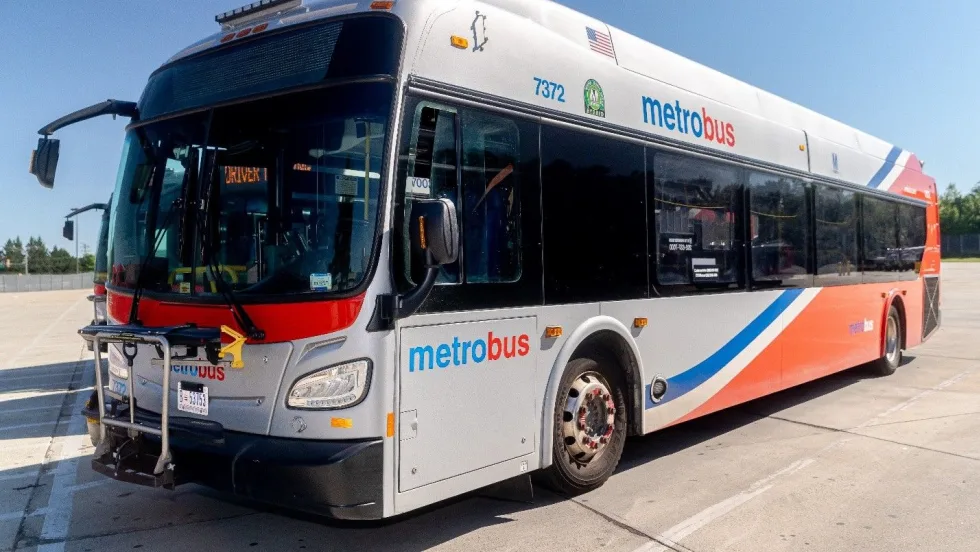
Biz Briefs: New Flyer Secures Additional 100-Bus Order from WMATA and More
In METRO's latest installment, we also take a look at recent news from Masabi, MCI, Samsara, and more partnerships making headlines across the transportation sector.
Read More →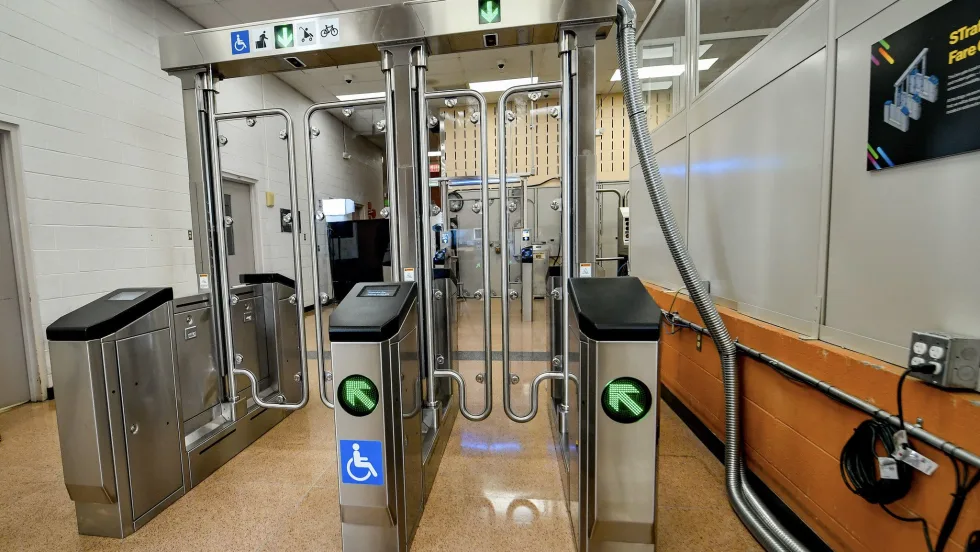
MTA Fare Gate Pilot Reduces Fare Evasion by 35%
Following a 20-station pilot, the agency plans to install new fare gates at 20 additional subway stations as part of a $1.1 billion modernization initiative.
Read More →
California Law Extends AC Transit’s Bus Lane Camera Enforcement
The new law allows AC Transit to continue using forward-facing bus cameras to enforce parking violations in bus-only lanes and at bus stops.
Read More →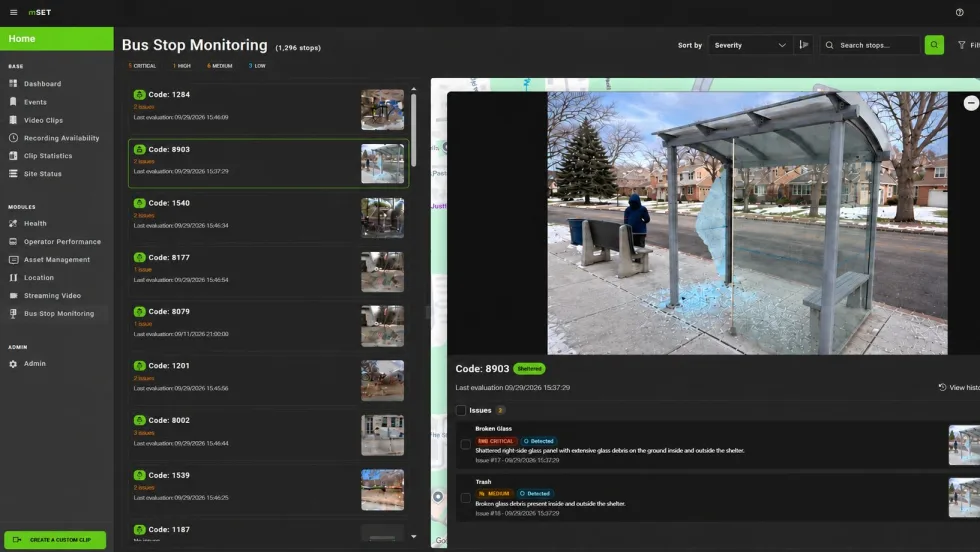
Biz Briefs: Luminator Launches AI Technology to Monitor Bus Stop Conditions and More
In METRO's latest installment, we also take a look at recent news from Masabi, Troman Industries, ioki, CCW, and more partnerships making headlines across the transportation sector.
Read More →
Public Transit Conference Returning to GFX in 2027, Call for Papers Now Open
The Call for Papers is now open, allowing transit agency professionals and industry experts to help shape the PTC educational program by submitting session ideas for consideration.
Read More →
ENC Lands MATA Contract and More in Biz Briefs
In this edition of Biz Briefs, we spotlight the latest developments shaping the future of mobility.
Read More →
Strada360’s Steve Lassey on Turning Transit Data Into Better Decisions
From breaking down data silos to preparing for AI, Strada360 CEO Steve Lassey discusses how transit agencies can use technology to improve operations, customer information, and long-term decision-making.
Read More →
Almaviva Looks to Open Architecture to Advance Transit Technology
Eric Reese discusses how interoperability, open architecture, and modular design can help transit agencies control costs, reduce vendor lock-in, and upgrade technology without starting over.
Read More →