



Bauer's IT expands executive-style commuter service
Fleet equipped with leather seats, high-speed Wi-Fi, flat-screen LCD monitors, iPod hookups, phone and laptop power ports, CD and DVD systems, bike racks and restrooms.


[IMAGE]Bauers-Wi-Drive-full.jpg[/IMAGE]Bay Area-based provider of chauffeured, eco-friendly individual and group transportation, Bauer's IT (Intelligent Transportation), announced Monday that two new routes have been added to its Wi-Drive! program.
Beginning Monday, October 12, the eco-transit commuter service began including round-trip routes between Santa Rosa and San Francisco and between Fremont and Milpitas.
Bauer's Wi-Drive! operates Monday through Friday from 5 a.m. to 7 p.m. Fares can be as low as $5 for a one-way ticket depending on location, with 10 percent discounts offered for monthly passes. Wi-Drive! memberships and individual passes can be purchased online. A variety of payment methods, including commuter checks, are available.
Launched in March 2009, Bauer's Wi-Drive! offers riders an attractive alternative to driving, thereby relieving traffic congestion, minimizing pollution, and contributing to a carbon-neutral footprint for the Bay Area and beyond.
Each 52-person vehicle eliminates 2.6 million pounds of carbon dioxide (CO2) per year and giving individuals who may have never considered choosing group transit a viable and eco-friendly solution.
The fleet is equipped with plush leather seats with Corian work tables, high-speed Wi-Fi, flat-screen LCD monitors, iPod hookups, phone and laptop power ports, CD and DVD systems, bike racks and restrooms. A Ride Host is onboard at all times to offer food and drink service, which can be purchased onboard or pre-ordered through the Bauer`s Wi Drive! online ordering system.
Bauer's Wi-Drive! also serves as an appealing option for employees who benefit from San Francisco's Commuter Benefits Ordinance. Enacted in January 2009, in correspondence with Federal Ordinance 132, the mandate requires all employers with more than 20 employees who work an average of 10 hours a week to offer one of three commuter benefits programs in order to relieve traffic congestion and reduce air pollution. The three program options include Pre-tax Transit, Employer Paid Transit Benefits, and Employer Provided Transit. Participating employers save up to nine percent on payroll taxes, while employees save up to 40 percent on transit costs, including parking fees, fuel costs and bridge tolls.
More Motorcoach
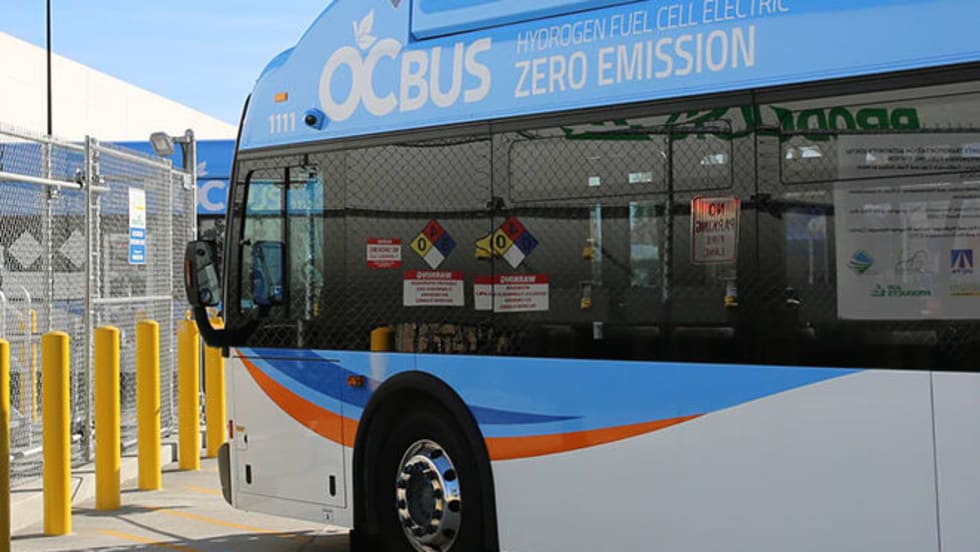
Biz Briefs: OCTA Taps Clean Energy for Hydrogen Station, Stadler to Supply Via Rail Vehicles, and More
From manufacturers and suppliers to transit agencies and motorcoach operators, these updates offer a snapshot of the projects, partnerships and business moves driving the industry forward.
Read More →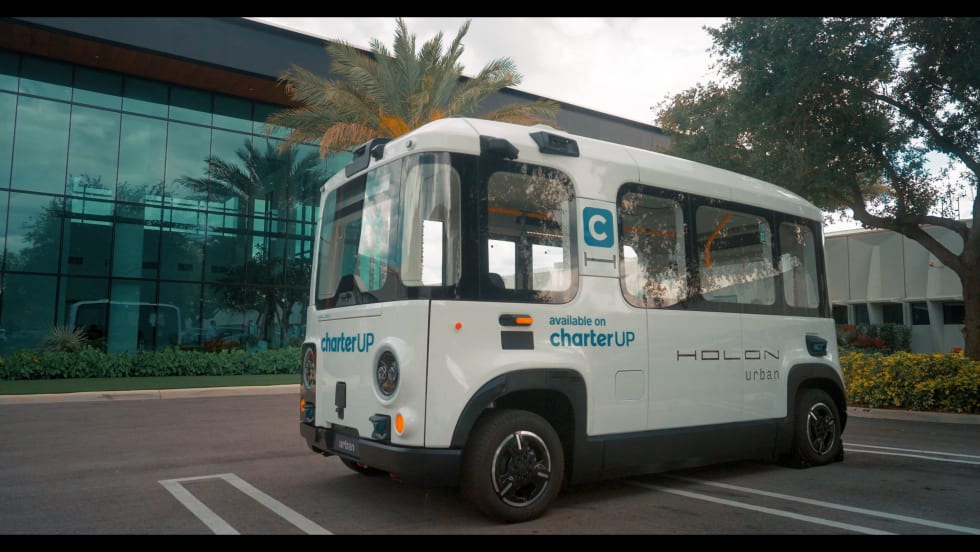
CharterUP Expands Into New Mobility and Autonomous Transportation
Vice President of New Mobility Stephen Joos discusses how CharterUP is leveraging its nationwide transportation network, technology platform, and autonomous vehicle partnerships to expand into workforce mobility, campus shuttles, and transit solutions.
Read More →
Biz Briefs: STV teams with Amtrak, Motorcoach Operators Boost Fleet and Land Contracts, and More
From manufacturers and suppliers to transit agencies and motorcoach operators, these updates offer a snapshot of the projects, partnerships and business moves driving the industry forward.
Read More →
EPA Proposal to Ease Diesel Emissions Compliance Could Improve Reliability for Motorcoach Operators
The EPA is proposing to remove DEF-related engine derates for new heavy-duty diesel vehicles, a change bus operators say would improve safety and reliability while sparking debate over the future of emissions enforcement.
Read More →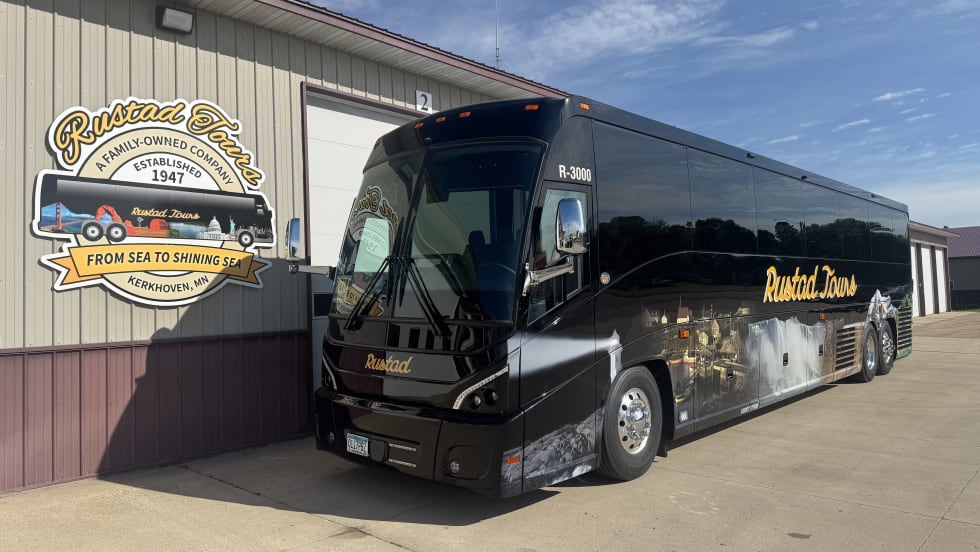
Minnesota's Rustad Tours Takes Delivery of New MCI Motorcoach
The latest addition represents Rustad Tours’ 17th new MCI coach, marking more than four decades of partnership between the two companies.
Read More →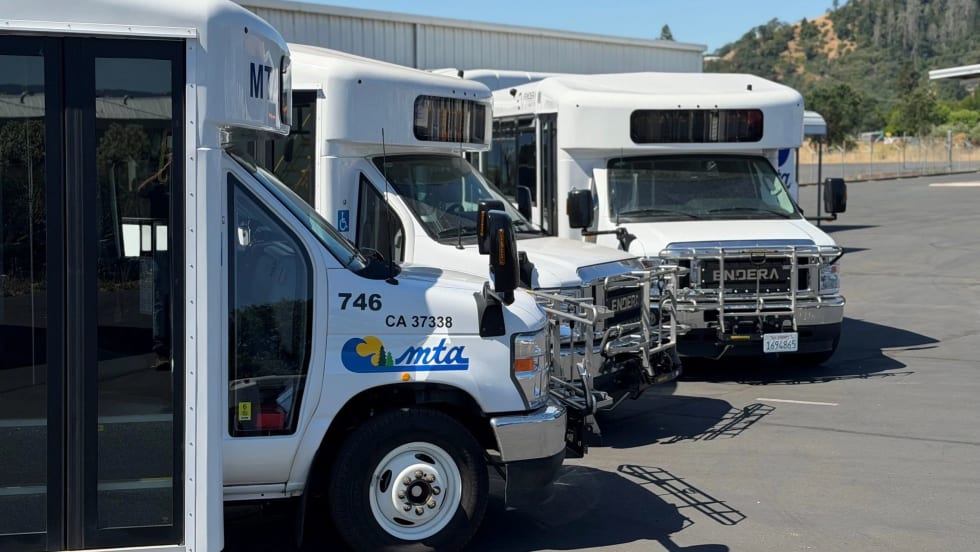
Biz Briefs: Endera Delivers to California, Safety Vision Teams with San Antonio's VIA, and More
From manufacturers and suppliers to transit agencies and motorcoach operators, these updates offer a snapshot of the projects, partnerships and business moves driving the industry forward.
Read More →
Modernizing Mobility with CharterUP CEO Armir Harris
From digital transformation to evolving customer demands, CharterUP's Armir Harris offers his perspective on the transportation industry's next chapter.
Read More →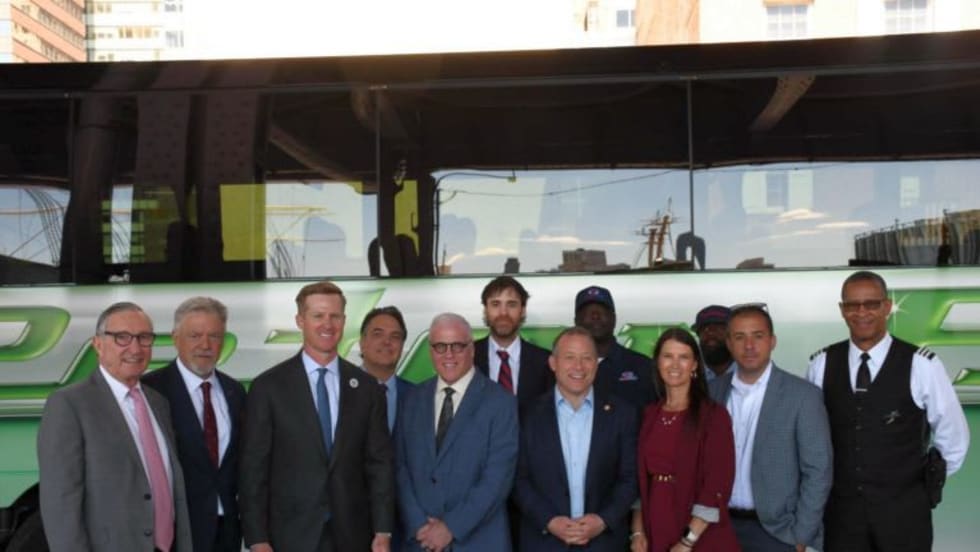
Bipartisan BUSES Act Seeks Changes to New York City's Bus Idling Enforcement Program
Backed by motorcoach operators, the legislation seeks to balance emissions goals with passenger safety by allowing limited idling for inspections, accessibility needs and extreme weather conditions.
Read More →
METROspectives: CharterUP CEO Armir Harris on Modernizing Mobility
From digital transformation to evolving customer demands, CharterUP's CEO Armir Harris offers his perspective on the transportation industry's next chapter.
Read More →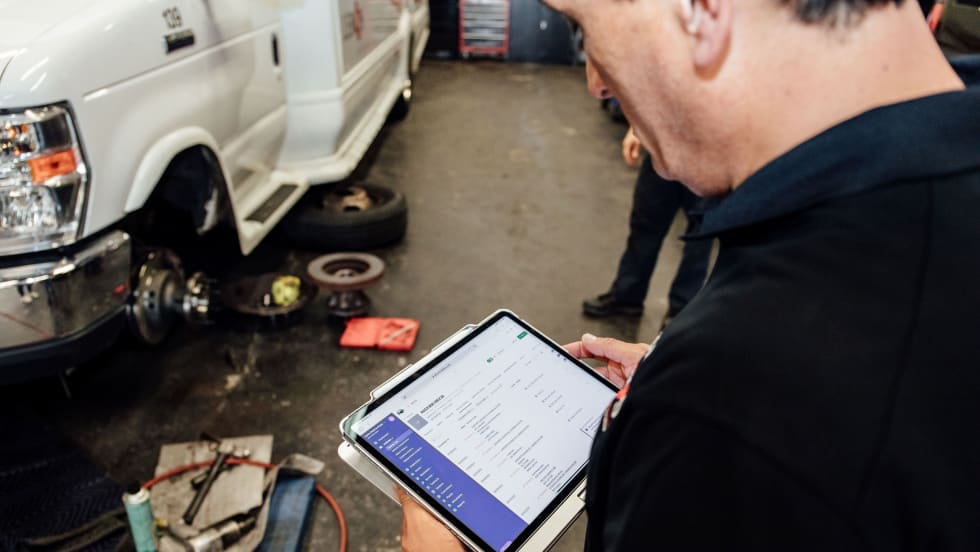
Reinventing Fleet Maintenance with Real-time Visibility and AI
Transit leaders need to know what needs fixing, where to look, who is responsible, when work is completed, and what it costs without having to chase information across disconnected systems.
Read More →