




More Access: Amtrak Using $4B Fed Grant to Improve Accessibility
$686M in Grants Announced to Modernize Transit Stations, Improve Accessibility
More than 900 transit legacy stations are not fully accessible today.
December 19, 2022

The All Stations Accessibility Program provides support for transit agencies to repair, improve, modify, retrofit, or relocate station elements or facilities for passenger use.
Photo: Metro Magazine
3 min to read
The U.S. Department of Transportation’s Federal Transit Administration (FTA) announced 15 grants in nine states to help make it easier for people with disabilities and mobility needs to access the U.S.’s oldest rail transit systems through upgrades.
Funded by President Biden’s Bipartisan Infrastructure Law, the approximately $686 million in grants represents the first round of funding from the new All Stations Accessibility Program, according to FTA's news release. The program is designed to improve the accessibility of transit rail stations so everyone, including those who use wheelchairs, push strollers, or cannot easily navigate stairs, can access the rail systems in their communities.
“Every day, millions of people rely on our public transit system to get to work, buy groceries, and see their loved ones — yet today, three decades after the passage of the Americans with Disabilities Act, hundreds of transit stations are still inaccessible for travelers with disabilities,” said Pete Buttigieg, U.S. Transportation Secretary. “The All Stations Accessibility Program is going to change that by adding wheelchair ramps, elevators, and more.”
According to the FTA, more than 900 transit legacy stations are not fully accessible today. The All Stations Accessibility Program provides support for transit agencies to repair, improve, modify, retrofit, or relocate station elements or facilities for passenger use. President Biden’s Bipartisan Infrastructure Law provides $1.75 billion for this important program over five years.
“Since the passage of the Americans with Disabilities Act, great strides have been made in improving accessibility, but there is still a lot of work to do,” said Nuria Fernandez, FTA Administrator. “This includes modernizing rail systems in some of our most transit-oriented cities, and the ASAP program provides much-needed funding to address these overdue improvements. We want to ensure people with disabilities and others who need extra assistance are able to use transit systems with the same ease and reliability as any other user.”
Some of the selected projects include:
The New York Metropolitan Transportation Authority will receive $254 million to make its Myrtle Avenue, Norwood Avenue, and Avenue I subway stations in Brooklyn and the Burnside Avenue subway station in the Bronx fully accessible, allowing safe and convenient travel to and through the stations. Modernization work will include installing elevators, updating platforms to reduce gaps, adding tactile platform edge warning strips, modifying fare gates and stairs, and improving handrails.
The Chicago Transit Authority will receive more than $118 million to modernize the Irving Park, Belmont, and Pulaski stations to make them fully accessible. Built more than 50 years ago, the stations will be modernized with elevators, ramp upgrades, improved station signage, and general station enhancements.
The Southeastern Pennsylvania Transportation Authority will receive $56 million to make its 11th Street subway station on the Market-Frankford Subway Line and the Chinatown, Erie, Fairmount Upper Level, Fairmount Lower Level, and Snyder stations on the Broad Street Subway Line fully accessible, allowing safe and convenient travel. Modernization work at the stations, which were built in the early 20th century, will include installing elevators, general station upgrades, ramps, and making the path of travel improvements.
Projects were selected for funding based on criteria described in the Notice of Funding Opportunity. This new program was created under the Bipartisan Infrastructure Law, which provides $1.75 billion in funding through 2026. In response to the Notice of Funding of Opportunity, FTA received $905 million in funding requests.
More Paratransit

Frontrunner Bus Group Introduces XF Low-Floor Bus with Enhanced Accessibility
The new mid-sized bus features a full flat-floor design, eight-inch curbside step-in height, and zero-entry rear ramp to improve passenger access and operational flexibility.
Read More →
Scenes from APTA TRANSform & EXPO 2026
Transit leaders, manufacturers, and industry professionals gathered in Chicago to explore new technologies, share ideas, and discuss the future of public transportation.
Read More →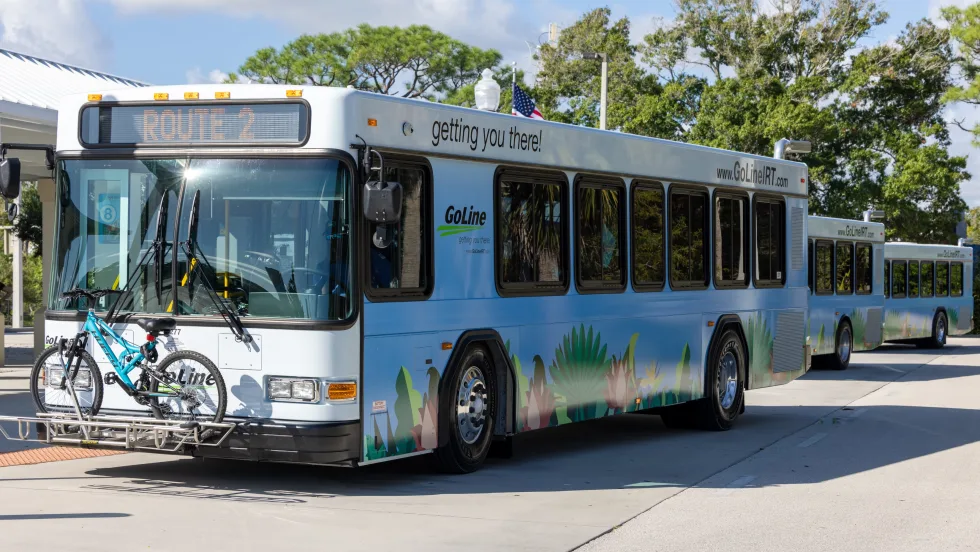
Indian River Transit’s Community-Focused Approach Earns National Recognition
Named APTA’s 2026 Outstanding Public Transportation System in its size category, Florida’s Indian River County transit system continues to grow ridership through fare-free service and a focus on evolving community needs.
Read More →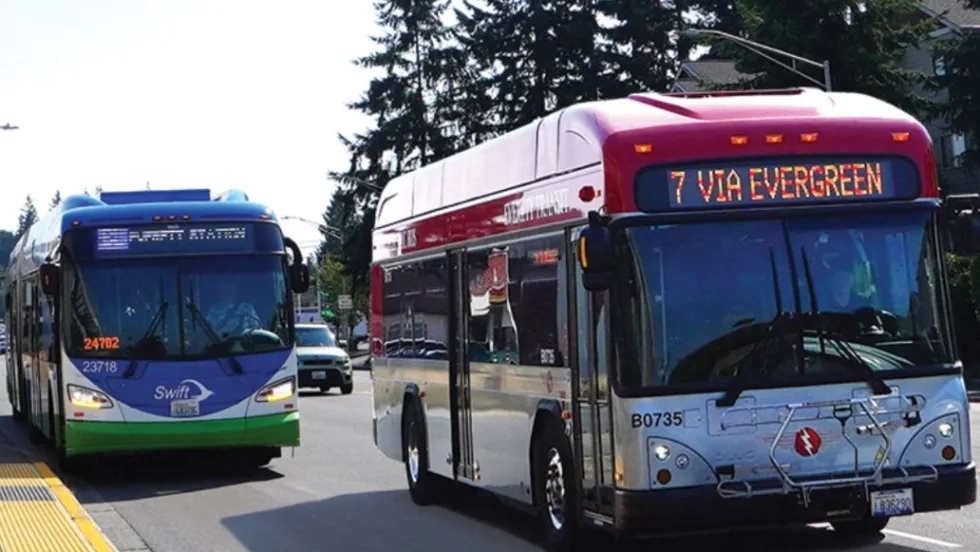
Everett Transit, Community Transit Outline Consolidation Agreement
The proposed agreement calls for a 50% increase in bus service in Everett, a new microtransit zone, continued paratransit service, and the transfer of Everett Transit operations to Community Transit.
Read More →
Driving Smarter Paratransit
John Hanlon shares how AlphaRoute is leveraging AI-powered technology to help paratransit providers optimize operations, support frontline staff, and enhance the rider experience.
Read More →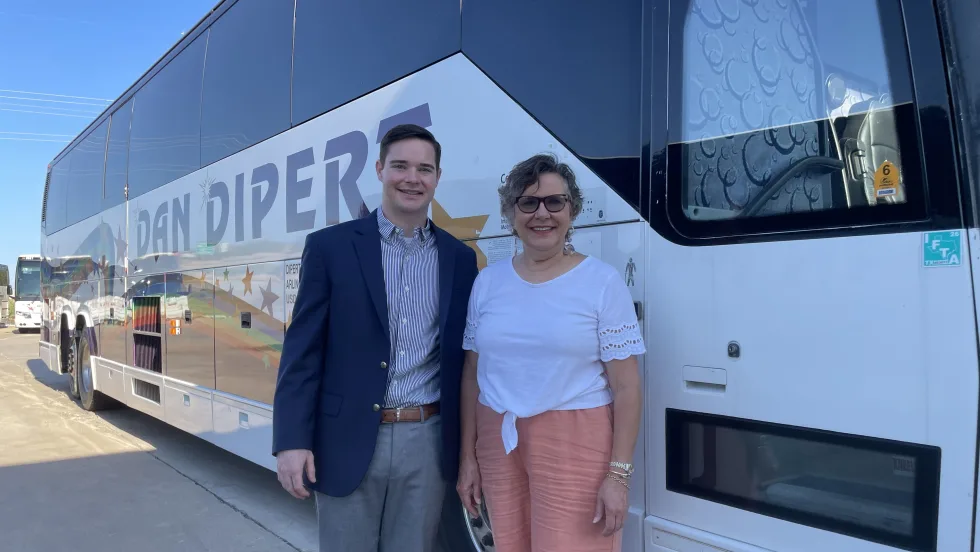
People Movement: Dan Dipert Coaches Adds Third-Generation Leader, Keolis Names New Valley Metro VP/GM, and More
In this edition, we also cover recent appointments and announcements at the Wabtec, SilverRide, HNTB, and more, showcasing the individuals helping to shape the future of transportation.
Read More →
Biz Briefs: RIPTA Unveils New Frontrunners, Clevland RTA Adds New Siemens, and More
In METRO's latest installment, we take a look at recent news from Siemens, Prevost, Dodge, and more partnerships making headlines across the transportation sector.
Read More →
King County Metro Makes ADA Paratransit Easier to Navigate
METRO's Innovative Solutions Award winner replaces complex service-area descriptions with an accessible, interactive map that puts paratransit information directly in customers’ hands.
Read More →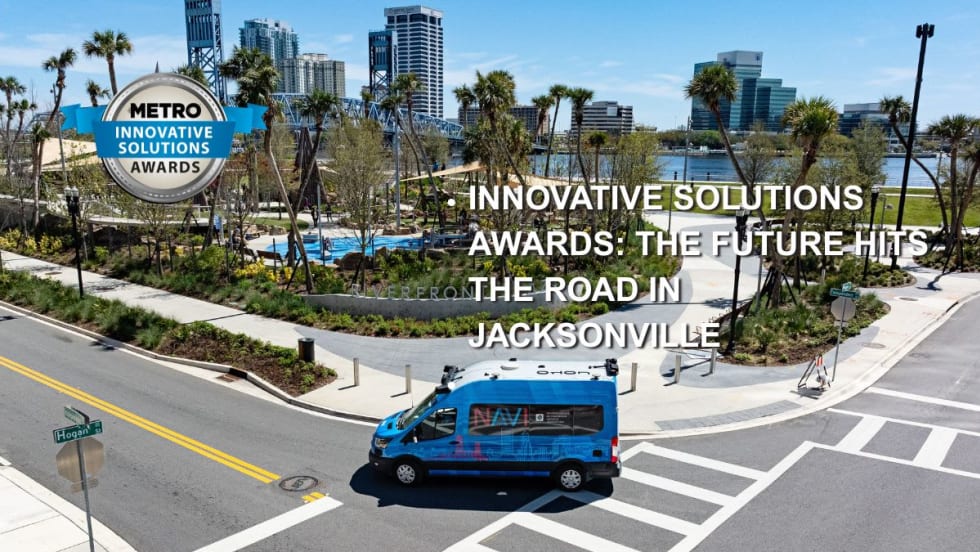
Jacksonville’s NAVI Project Charts a New Course for Autonomous Public Transportation
Through its NAVI program, JTA is showing how autonomous vehicles, intelligent infrastructure, and coordinated operations can work together to deliver everyday public transportation.
Read More →
Driving Smarter Paratransit
John Hanlon shares how AlphaRoute is leveraging AI-powered technology to help paratransit providers optimize operations, support frontline staff, and enhance the rider experience.
Read More →