



Boston Successfully Completes Track Improvement Program
Since 2023, the MBTA removed more than 220 speed restrictions and replaced 250,000 feet of rail across the system, saving riders 2.4 million minutes every weekday and generating nearly $1 million in economic benefit every day.

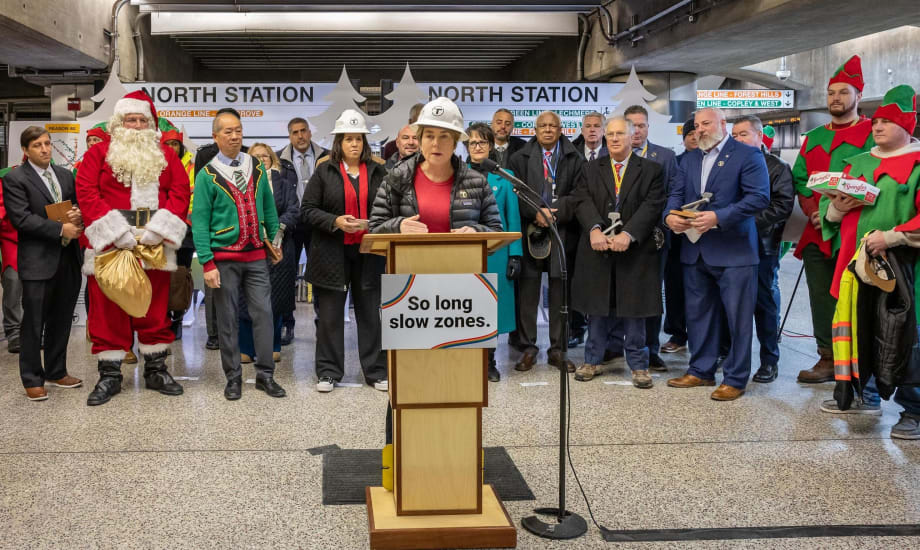
Massachusetts Gov. Healey, Lieutenant Gov. Driscoll, GM Phillip Eng, and other leaders thanked riders at North Station for their patience during the Track Improvement Program.
Photo: MBTA
Massachusetts Gov. Maura Healey, MBTA GM Phillip Eng, and MBTA workers and riders celebrated the completion of the T’s Track Improvement Program and the removal of slow zones for the first time in 20 years.
Since 2023, the MBTA removed more than 220 speed restrictions and replaced 250,000 feet of rail across the system, saving riders 2.4 million minutes every weekday and generating nearly $1 million in economic benefit every day.
“Thank you to our workforce for their diligence, and to our riders for their patience throughout the process. I also want to acknowledge Governor Healey and Lieutenant Governor Driscoll for their leadership and support of our workforce,” said Eng. “Our goal is to continue the positive momentum by focusing on accessibility and signal upgrades in 2025, as well as staying on top of preventative maintenance to ensure the T delivers safe, reliable, and frequent service to best serve the public today as we build for future generations.”
The T Track Improvement Program
The Track Improvement Program has been a bold and ambitious initiative to eliminate speed restrictions across the subway system and bring the MBTA's tracks closer towards a State of Good Repair.
With the completion of the Green Line, the MBTA subway system has undergone key track upgrades, including the replacement of over 15,400 feet of full depth track reconstruction, the replacement of approximately 38,000 ties, the installation of nearly 251,500 feet of new rail, and the performance of nearly 325,000 feet of tamping.
The major achievement was made possible by 23 full-access closures across various lines throughout the year, ranging from weekend closures to several days or even weeks of work. These closures allowed for safe and efficient construction, ultimately enhancing the safety of riders and workers alike while improving reliability and reducing delays.
Uninterrupted work was a key factor in the expeditious completion of the project.
Improvement Impact
As a result of these improvements, roundtrip travel time has been significantly reduced for riders:
Over 20 minutes on the Orange Line.
Nearly an hour on the Red Line.
Four minutes on the Blue Line.
Almost nine minutes on the Green Line.
The MBTA's efforts show that, on average, heavy rail riders on the Red, Orange, and Blue Lines now collectively save 2.4 million minutes per weekday due to the removal of speed restrictions. This translates to $950,000 in daily economic benefits, representing an estimated $300 million in annual savings for the region.
The milestone highlights the positive impact of enhanced rail operations for commuters following the first multi-day Ashmont service outage in October 2023.
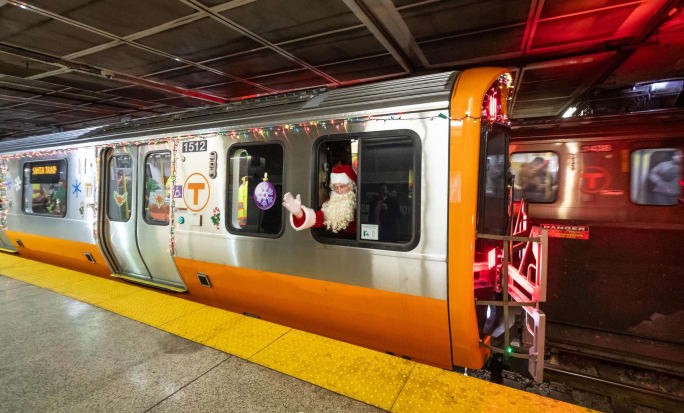
The completion of the Track Improvement Program marks the culmination of a year of progress for the Healey-Driscoll Administration’s goal of improving reliability and safety across the system.
Photo: MBTA
Improving Reliability
The completion of the Track Improvement Program marks the culmination of a year of progress for the Healey-Driscoll Administration’s goal of improving reliability and safety across the system.
Gov. Healey delivered the highest level of state funding to the T for the first time in 20 years, including leveraging $600 million from Fair Share funding to support rail and station upgrades. The T also launched a first-of-its-kind reduced fares program, as well as a new contactless payment system.
In the future, speed restrictions may be needed from time to time if warranted by a changing track condition — this is normal and common across all passenger rail service providers.
As a result of the successful Track Improvement Program that has taken place over the last year, the MBTA is now well-positioned to quickly respond to any track issues that may arise, according to the agency.
More Zero Emissions
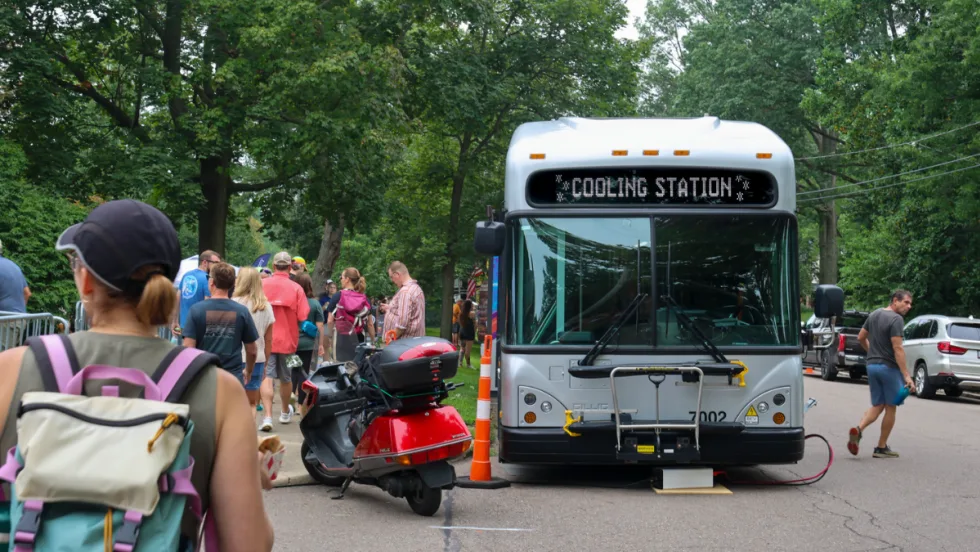
Ohio’s METRO RTA Turns Electric Buses into Mobile Power Sources at PorchROKR
See how three Gillig battery-electric buses powered festival stages while the agency’s new Park & Ride service carried approximately 1,000 attendees, demonstrating another potential use for transit agencies’ electric fleets.
Read More →
CALSTART and Forth Combine to Form Catalyst Mobility
The new name represents a renewed vision for the nonprofit focused on advancing clean, equitable, and affordable transportation solutions that move people and goods.
Read More →
Building a Flexible Path to Transit Electrification
John Hroncich discusses BAE Systems’ modular and scalable approach, lessons learned from decades of real-world operations, and how agencies can identify electrification strategies that fit their fleets.
Read More →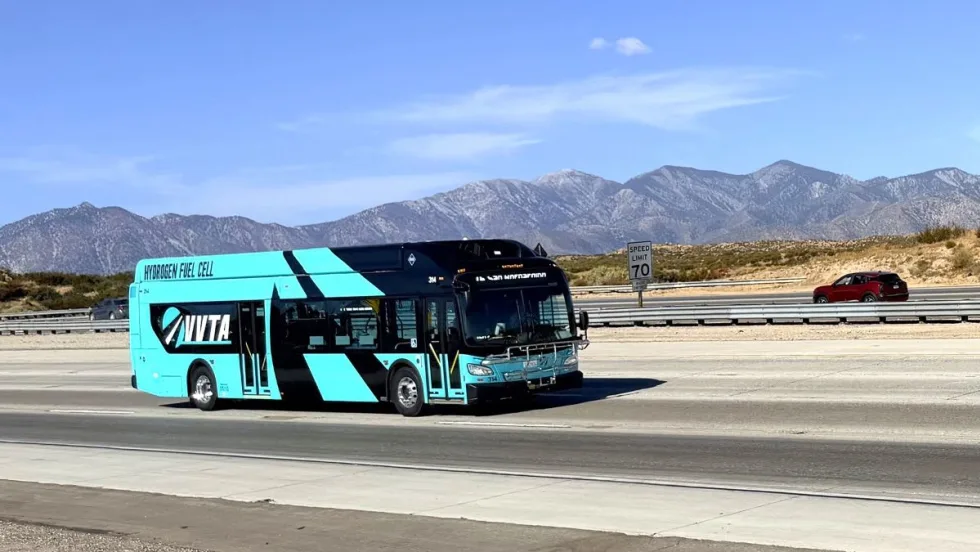
California's VVTA Begins Phased Rollout of Hydrogen Fuel Cell Buses
The agency is introducing 13 zero-emission buses into revenue service while evaluating performance across its urban, rural, and long-distance routes.
Read More →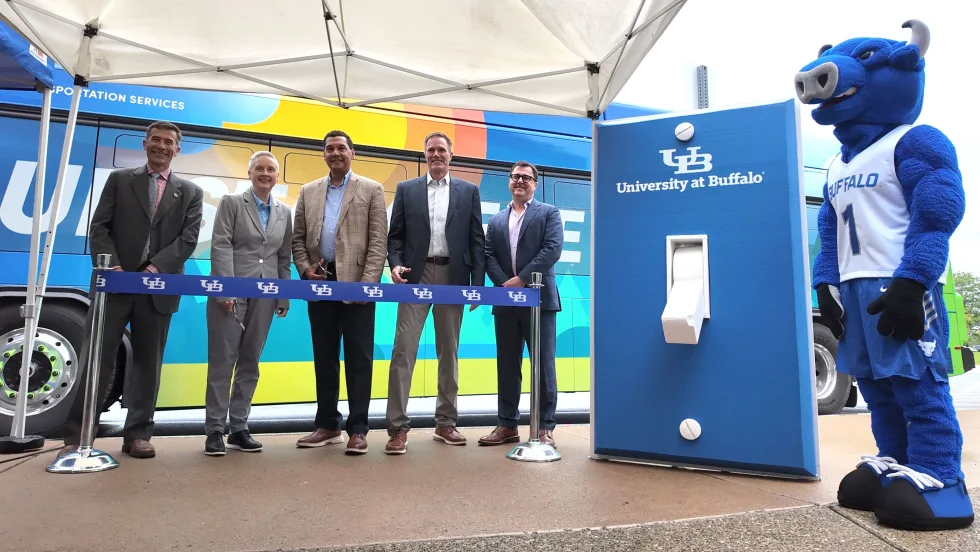
Inside Look: University at Buffalo Puts First 8 Electric Buses Into Stampede Service
UB, transportation solutions provider WeDriveU, and fleet electrification specialist Zenobē marked the deployment in the presence of students, university administrators, and local officials.
Read More →
Biz Briefs: OCTA Taps Clean Energy for Hydrogen Station, Stadler to Supply Via Rail Vehicles, and More
From manufacturers and suppliers to transit agencies and motorcoach operators, these updates offer a snapshot of the projects, partnerships and business moves driving the industry forward.
Read More →
AC Transit’s Cecil Blandon on Building the Next Generation of Transit Maintenance Leaders
The agency’s maintenance chief discusses leadership, workforce development, zero-emission technology, and preparing technicians for the future of public transportation.
Read More →
CTDOT Taps STV for Electric Bus Facility Design
The firm will work with CTDOT and RVT to define the facility layout, operational requirements, and long-term flexibility for RVT’s growing electric fleet.
Read More →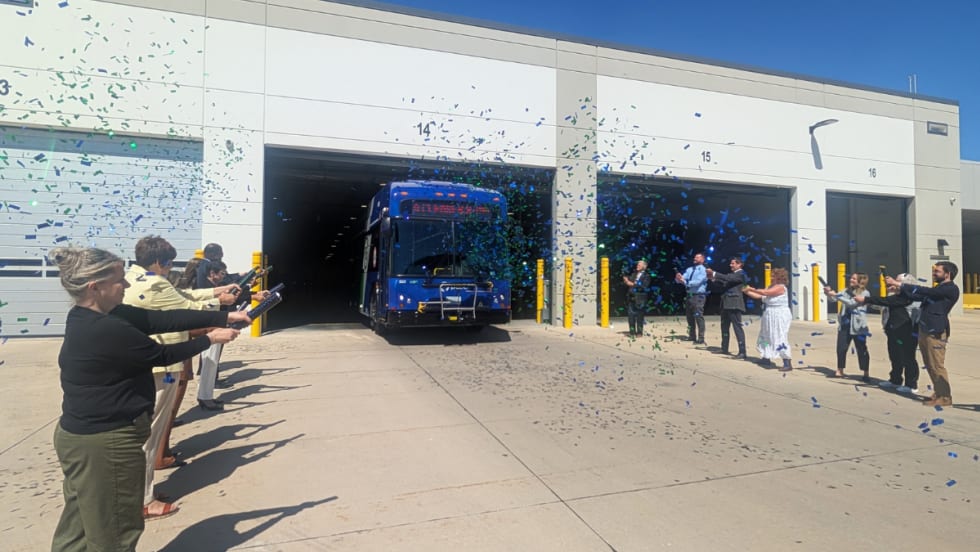
Chicago’s Pace Deploys 24 Hybrid-Electric Buses in Will County
The new buses reduce emissions and fuel consumption while advancing the agency's long-term goal of transitioning to a fully zero-emission fleet.
Read More →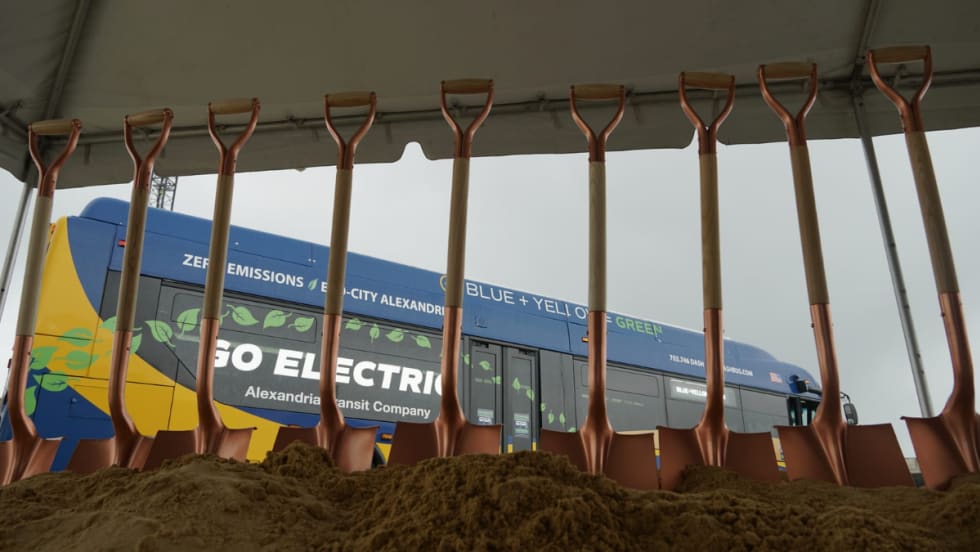
DASH Breaks Ground on First On-Route Electric Bus Chargers in D.C. Region
The fast-charging infrastructure will help extend electric bus range, improve fleet utilization, and support DASH's goal of transitioning to a fully zero-emission fleet.
Read More →