




RELATED: BusCon 2016 video recap
BusCon Keynote Address to discuss connected/autonomous tech
In what is sure to be an interesting discussion, WSP USA's Scott Shogan will discuss its potential effects on public and private bus and shuttle operators, as well the creation of new opportunities in a shared economy.
July 25, 2017
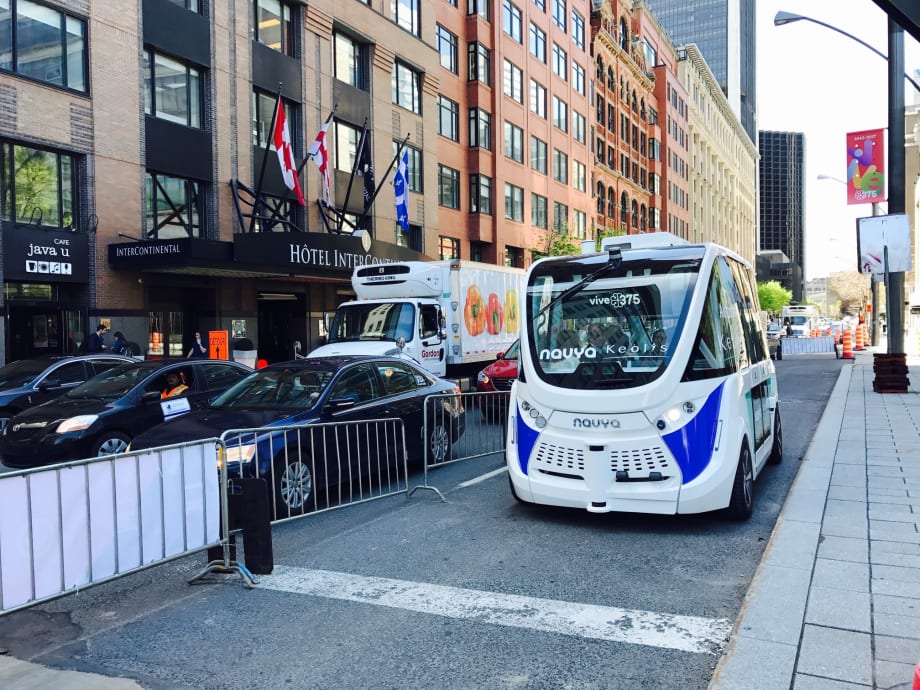
As C/AV technologies continue to evolve and mature, it is only a matter of time before it has an impact on the overall transportation picture, as well as your business.
2 min to read

Shogan
METRO Magazine and BusCon announced that Scott Shogan, connected/automated vehicle (C/AV) market leader for WSP USA, will deliver the Keynote Address, “How Connected/Automated Vehicle Technology Will Impact Transportation,” at this year’s BusCon 2017, which will take place Sept. 11 to 13 at the Indiana Convention Center in Indianapolis.
Shogan has more than two decades of experience in transportation planning, traffic operations, and advanced transportation technology, including over 10 years focused on the C/AV market. In addition to his long-standing work on the connected vehicle pilot efforts in Ann Arbor, Mich., Shogan currently leads the company’s efforts on the Mcity and American Center for Mobility, two C/AV test tracks in Southeastern Michigan.
C/AV technologies are together one of the hottest topics impacting cities around the world, with automakers, tech companies, ride-hailing services, universities, and various transportation providers all part of the current development and testing.
“In the U.S., connected vehicle deployments are spreading quickly throughout the country with an increasing number of use cases, including a number for transit and bus operators. However, there continues to be debate around the best technology to use, as well as the potential regulatory action that most feel is needed to make this happen,” said Shogan. “On the AV side, laws have now been passed in 19 states aimed at easing restrictions for testing AVs on public roadways, and notably Uber continues testing their vehicles with customers, one of the first applications involving the public.”
As C/AV technologies continue to evolve and mature, it is only a matter of time before it has an impact on the overall transportation picture, as well as your business.
As C/AV technologies continue to evolve and mature, it is only a matter of time before it has an impact on the overall transportation picture, as well as your business. In what is sure to be an interesting discussion, Shogan will discuss its potential effects on public and private bus and shuttle operators, as well the creation of new opportunities in a shared economy.
“These technologies are already impacting transportation systems, and particularly bus and transit operators,” explains Shogan. “One of the first commercially available AVs are small, low-speed shuttles, that are being put in operation today. These are envisioned to help with ‘first/last mile’ linkages in transit systems, as shuttles on closed campuses, and other applications. A little further out on the horizon, most automakers and technology firms developing this technology are talking about high levels of automation being available in consumer vehicles in the early 2020s.”
BusCon offers budget-conscious bus operators extraordinary value, with a full conference pass ranging from $98 to $130, which includes two networking receptions, educational programming, and more. For more information and to register, click here.
More New Mobility
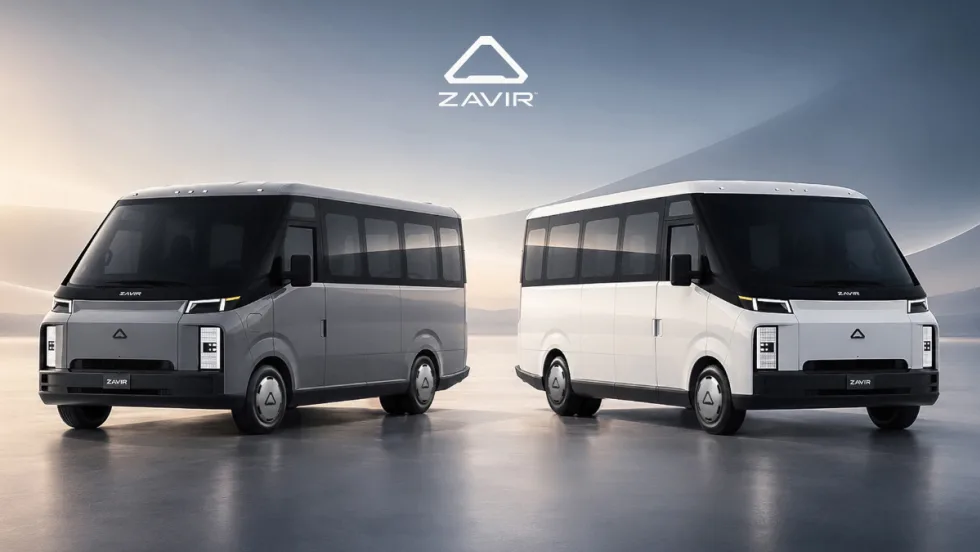
ENC Unveils ZAVIR Medium-Duty Electric Shuttle at APTA EXPO
The new ZAVIR brand targets shuttle and paratransit operations with battery-electric and range-extended electric vehicle options.
Read More →
Public Transit Conference Returning to GFX in 2027, Call for Papers Now Open
The Call for Papers is now open, allowing transit agency professionals and industry experts to help shape the PTC educational program by submitting session ideas for consideration.
Read More →
Everett Transit, Community Transit Outline Consolidation Agreement
The proposed agreement calls for a 50% increase in bus service in Everett, a new microtransit zone, continued paratransit service, and the transfer of Everett Transit operations to Community Transit.
Read More →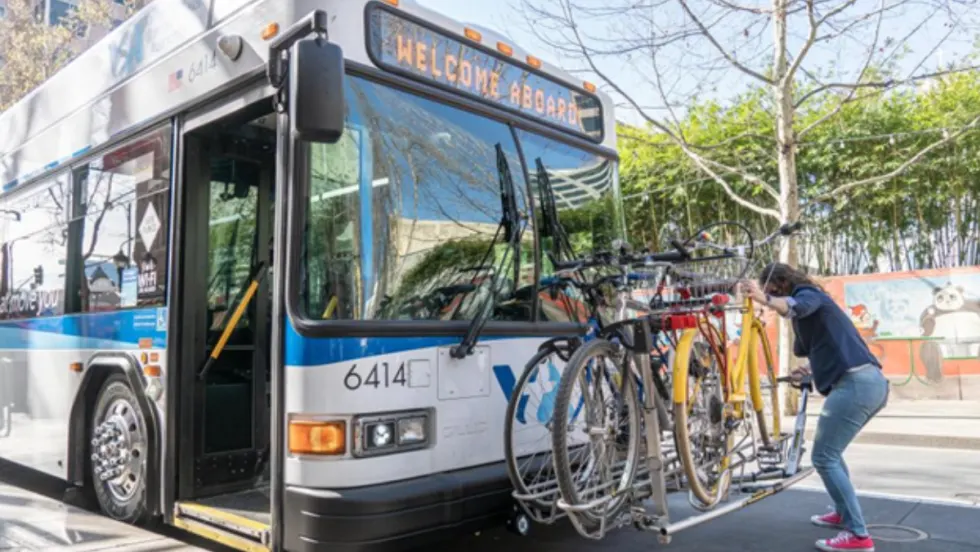
What Multimodal Data Can Tell Transit Agencies About Rider Demand
See how bike-on-bus data is giving transit agencies new insight into rider demand, capacity constraints, and gaps in first- and last-mile connections.
Read More →
From Hardware to Digital Partner: Luminator Charts Its Next Chapter
CEO Magnus Friberg discusses Luminator’s shift toward becoming a digital partner, the growing importance of software and interoperability, and how AI can help agencies improve operations and passenger experience.
Read More →
Biz Briefs: Alstom Lands Canadian Contract, LYT to Supply California TSP, and More
In METRO's latest installment, we take a look at recent news from Complete Coach Works, Beep, FlixBus, and more partnerships making headlines across the transportation sector.
Read More →
CharterUP’s Armir Harris on Technology, AI, and the Future of Group Mobility
In a recent episode of METROspectives, CharterUP Founder/CEO Armir Harris discussed the company’s evolution from an online charter bus marketplace into a technology platform supporting public- and private-sector mobility and much more.
Read More →
Jacksonville’s NAVI Project Charts a New Course for Autonomous Public Transportation
Through its NAVI program, JTA is showing how autonomous vehicles, intelligent infrastructure, and coordinated operations can work together to deliver everyday public transportation.
Read More →
Biz Briefs: Luminator Marks Milestone and More
From manufacturers and suppliers to transit agencies and motorcoach operators, these updates offer a snapshot of the projects, partnerships and business moves driving the industry forward.
Read More →
New Tricks for Old Bureaucracies: Joshua Schank on Making Transit Innovation Stick
Former LA Metro Chief Innovation Officer Joshua Schank discusses why good ideas aren't enough, how transit agencies can overcome resistance to change, and why today's challenges demand more innovation.
Read More →