



Calif.'s VTA issues 3 transit oriented development RFPs
The Joint Development Program decides which properties are suitable to build on and provides the necessary groundwork and resources to develop those properties.

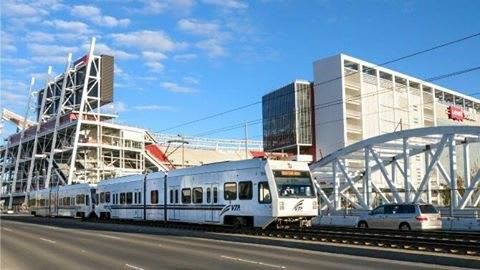
The main objective of VTA’s Joint & TOD Program is to use the authority’s 25 potential Joint Development locations as stable revenue sources for VTA through long-term ground leases.
VTA
The main objective of VTA’s Joint & TOD Program is to use the authority’s 25 potential Joint Development locations as stable revenue sources for VTA through long-term ground leases.
VTA
The Santa Clara Valley Transportation Authority’s (VTA) Joint & Transit Oriented Development (TOD) Program is issuing three new Requests for Proposal (RFP) to the real estate development community in an effort to help alleviate traffic congestion and create a steady source of revenue for the authority as it continues providing vital transportation services to the area.
VTA’s Joint Development Program decides which VTA-owned properties are suitable to build on and provides the necessary groundwork and resources to engage in public/private partnerships to develop those properties.
The main objective of VTA’s Joint & TOD Program is to use the authority’s 25 potential Joint Development locations as stable revenue sources for VTA through long-term ground leases. Another goal is to assist in the development of transit-oriented projects that enhance neighborhoods, increase affordable housing opportunities, and increase connectivity and ridership at VTA station areas.
The latest RFPs include three joint development sites: the Blossom Hill Light Rail Station, the Curtner Station Light Rail Station, and the Milpitas Transit Center. The Milpitas Transit Center, located at the newly constructed multimodal VTA/BART station in Milpitas, is part of the City of Milpitas Transit Area Specific Plan (TASP). Inspired by VTA’s transit investment, the city sponsored plan is designed to put housing, office space, a hotel, and retail in an area that’s currently industrial land near the newly built Milpitas BART station. This planning effort encourages TOD redevelopment throughout the southern portion of the city. VTA asks that any proposals comply with the existing TASP framework.
Earlier this year, VTA held public meetings to engage with neighbors surrounding the proposed development sites to gather feedback on what they’d like to see these developments provide in their neighborhoods. Collective concerns included station area safety, access, and traffic. Developers are tasked with responding to these concerns in their proposals.
The RFP’s are due this fall. To learn more of the specific property details, click here.
More Management

ENC Lands MATA Contract and More in Biz Briefs
In this edition of Biz Briefs, we spotlight the latest developments shaping the future of mobility.
Read More →
From Surviving to Thriving: Building Stronger Transportation Organizations
Bus Business Consultants founder Brian Dickson shares lessons on leadership, organizational health, and creating options for long-term success in a changing transportation industry.
Read More →
Everett Transit, Community Transit Outline Consolidation Agreement
The proposed agreement calls for a 50% increase in bus service in Everett, a new microtransit zone, continued paratransit service, and the transfer of Everett Transit operations to Community Transit.
Read More →

Strada360’s Steve Lassey on Turning Transit Data Into Better Decisions
From breaking down data silos to preparing for AI, Strada360 CEO Steve Lassey discusses how transit agencies can use technology to improve operations, customer information, and long-term decision-making.
Read More →
People Movement: Phil Washington Joins HNTB, Denver RTD Launches CEO Search, and More
In this edition, we also spotlight recent personnel moves at STV, the Eno Center for Transportation, and more, highlighting the people taking on new roles across the transportation industry.
Read More →
SEPTA Details Accelerate Vision for Transit System
The plan outlines investments in trolley modernization, new Metro and Regional Rail vehicles, accessible stations, and more frequent bus and rail service.
Read More →
FTA Ends Direct Oversight of MBTA Safety Actions
The federal agency closed its remaining special directive to the Massachusetts Department of Public Utilities following a safety review that began in 2022.
Read More →
Report: Transit Bus Manufacturing Supports 34,100 Jobs, $5.1B in GDP
The “Buses Mean Business” report examines the transit bus manufacturing industry’s economic footprint, supply chain, and rising demand for vehicle replacements.
Read More →
LIT Marks 10-Year Milestone at Annual Summit
Hosted by the COTA from September 10 to 13, the Summit carried the theme “Celebrating 10 Years of Excellence, Leadership, and Impact,” with every part of the program honoring the people, agencies, and partners who built LIT over its first decade.
Read More →
People Movement: Dan Dipert Coaches Adds Third-Generation Leader, Keolis Names New Valley Metro VP/GM, and More
In this edition, we also cover recent appointments and announcements at the Wabtec, SilverRide, HNTB, and more, showcasing the individuals helping to shape the future of transportation.
Read More →