



Calif. to test hydrogen fuel cell bus
Designed and fabricated by Colorado-based Proterra, the vehicle can travel 250 miles before needing to be recharged. It runs at double the fuel economy of a diesel bus and releases nothing but water from the engine exhaust.

The City of Burbank, Calif., has been selected as a national test market for a new zero-emissions, ultra-quiet prototype bus that uses a hydrogen fuel cell instead of a diesel or gasoline engine.
The breakthrough vehicle will be unveiled in a spring 2009 Downtown Burbank ceremony and then go into immediate service on various routes within the City's Burbank Bus network.
Designed and fabricated by Colorado-based Proterra, the vehicle can travel 250 miles before needing to be recharged. It runs at double the fuel economy of a diesel bus and releases nothing but water from the engine exhaust.
In addition to being U.S. built, the vehicle relies on power that is 100 percent derived from U.S. sources, thereby reducing dependence on foreign energy.
The technology is very similar to that used in 2010 next-generation plug-in hybrid vehicles, such as the Chevy Volt. On-board computers regulate the electrical needs of the engine by alternating between power fed by Proterra's TerraVolt energy storage system, and power derived from the hydrogen fuel cells developed by Hydrogenics Corp. These cells are fed by pressure tanks located on the vehicle's roof, and transform hydrogen and oxygen into water vapor and electricity to charge the batteries. The vehicle may also be recharged by plugging into readily available wall outlets, like many of the new hybrid cars.
Other agencies involved in this pioneering project include the California Air Resource Board (CARB), the California Energy Commission and the Federal Transit Administration (FTA).
More Technology

USDOT Announces Rail Vehicle Replacement Grants, Chattanooga AV Shuttle Funding
More than $191 million in federal funding will help three transit agencies replace aging rail vehicles and support a new autonomous shuttle service in Chattanooga.
Read More →
Bus Tech Talk: Keeping Transit Technicians Ahead of the Technology Curve
LA Metro’s Obed Mejia discusses technician training, evolving maintenance technology, fleet replacement, and strategies for getting the most out of today’s transit fleets.
Read More →
Biz Briefs: RIPTA Unveils New Frontrunners, Clevland RTA Adds New Siemens, and More
In METRO's latest installment, we take a look at recent news from Siemens, Prevost, Dodge, and more partnerships making headlines across the transportation sector.
Read More →
Why Simulating Pedestrian Movement Has Become Essential for Modern Rail Stations
Pedestrian microsimulation is helping rail planners identify bottlenecks, test station designs, and prepare complex transit hubs for growing passenger volumes.
Read More →
APTA Transform Conference & EXPO Exhibitor Spotlight
METRO’s Exhibitor Spotlight provides a quick look at some of the companies exhibiting at this year’s event, including where to find them on the show floor.
Read More →
CharterUP’s Armir Harris on Technology, AI, and the Future of Group Mobility
In a recent episode of METROspectives, CharterUP Founder/CEO Armir Harris discussed the company’s evolution from an online charter bus marketplace into a technology platform supporting public- and private-sector mobility and much more.
Read More →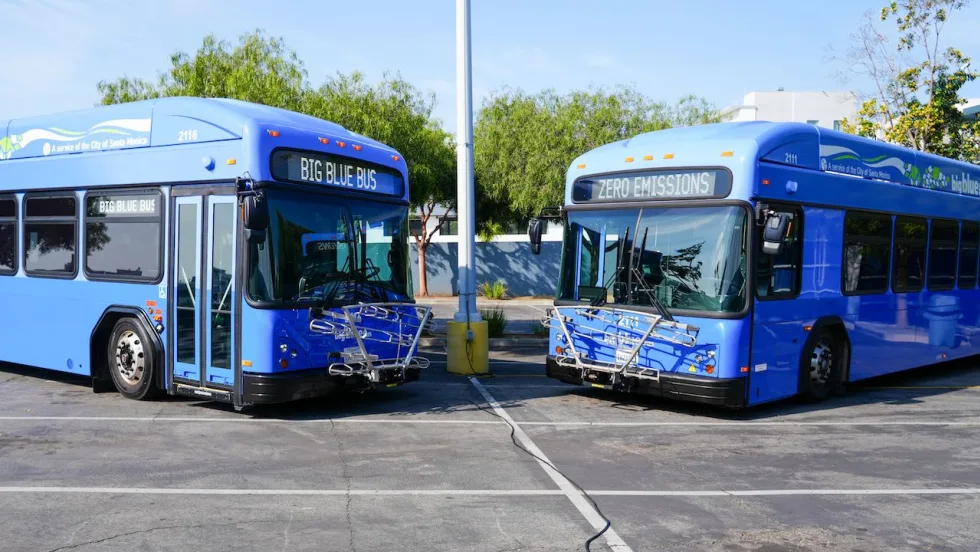
Biz Briefs: ChargePoint, Eaton Power Santa Monica’s Electric Bus Fleet Transition and More
From manufacturers and suppliers to transit agencies and motorcoach operators, these updates offer a snapshot of the projects, partnerships and business moves driving the industry forward.
Read More →
Stay Connected With METRO Magazine Across Social Media
Are you following us on Facebook, LinkedIn, and YouTube? Join the METRO community now!
Read More →
RTD Launches NextRide App to Consolidate Trip Planning, Fares, Security Reporting
The app expands on RTD’s existing NextRide web application and allows customers to view real-time vehicle locations and service alerts, purchase and store digital fares, and access customer support.
Read More →
The Business Voice Behind Public Transportation
As chair of APTA’s Business Members Board of Governors, Ray Melleady explains how more than 850 business members are partnering with transit agencies to advance funding, innovation, and industry-wide collaboration.
Read More →