



Caltrain premieres youth-oriented rail safety films
The short video vignettes were produced and paid for through a rail safety grant from Operation Lifesaver and the FTA.

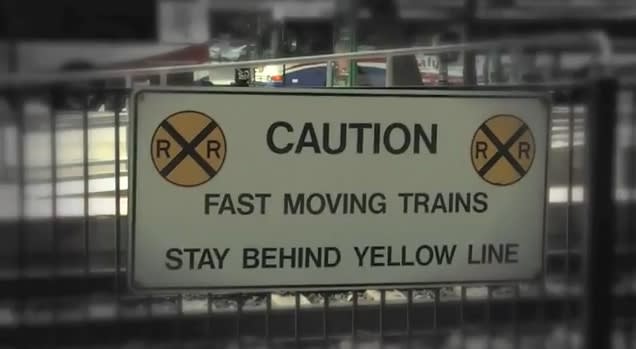
Caltrain capped off Rail Safety Month with a film festival featuring student-produced films about rail safety.
In August, student filmmakers from Fresh Takes, a youth digital arts program, received rail safety awareness training and toured the property with Caltrain staff to learn about the challenges faced by commuter rail systems operating through a densely populated service area. Caltrain has worked for more than 20 years to educate the Peninsula community about how to stay safe while living, working and going to school near an active rail corridor.
“Working with these students to produce rail safety messages is a powerful way to help us connect with the next generation of Peninsula residents who share their communities with our tracks,” said Chuck Harvey, Caltrain’s deputy CEO, operations, construction and engineering. “These videos are a powerful tool for reminding our youth that nothing is worth more than their lives.”
The messages in the videos were consistent — when near an active railroad, be aware, be cautious, and be safe. The delivery of these core messages covers a wide range, from powerfully emphasizing the tragedy of inattention to a more light hearted approach to keeping kids away from the tracks. To view the videos, visit Caltrain’s blog Peninsula Moves.
The short video vignettes were produced and paid for through a rail safety grant obtained by Caltrain from Operation Lifesaver and the Federal Transit Administration.
Caltrain is committed to the three “E’s” of safety outreach: education, engineering and enforcement.
As a partner with Operation Lifesaver, Caltrain’s certified staff presenters spend time out in the community educating groups about rail safety and reminding residents of the importance of awareness when living and working near an active rail corridor. Caltrain’s engineering team enhances railroad safety through fencing projects, grade separations such as the one nearing completion in San Bruno and pedestrian crossing and station design improvements.
Transit Police also play a pivotal role in enforcing safe behaviors along the active corridor. In the past year, more than 600 people have been removed from dangerous locations along the corridor. More than 50 people who were reportedly “in crisis” were escorted to safety, some of whom had expressed thoughts of suicide.
The majority of deaths on Caltrain’s tracks are ruled to be suicides. To address this sensitive issue, Caltrain works with local mental health and suicide education and awareness organizations to raise awareness and money to combat mental health issues and prevent suicide.
More Rail

New York MTA Advances Final Contract for Second Avenue Subway Expansion
Contract Four is the largest in the Second Avenue Subway Phase 2 project and includes construction of station infrastructure, tracks, and signals for the subway expansion, MTA officials said. Work on Contract Four will begin in 2027.
Read More →
San Diego MTS Breaks Monthly Trolley Ridership Record
Agency officials said July’s ridership indicates MTS’s continued recovery from the pandemic.
Read More →
Report Examines NJ TRANSIT Reliability, Funding Challenges
The Garden State Initiative analysis examines the roles of Amtrak infrastructure, fleet management, and agency operations while recommending a more performance-based approach to improving reliability.
Read More →
Stadler, CapMetro Sign Long-Term Rail Fleet Support Agreement
Beginning in 2027, Stadler will provide on-site technical expertise, spare parts support, training, and obsolescence management to help extend the reliability and longevity of CapMetro’s GTW fleet.
Read More →
Biz Briefs: Alstom Lands Canadian Contract, LYT to Supply California TSP, and More
In METRO's latest installment, we take a look at recent news from Complete Coach Works, Beep, FlixBus, and more partnerships making headlines across the transportation sector.
Read More →
CATS Gold Line Marks 5 Years of Service, 2.8M Passenger Trips
With a six-mile expansion planned, the Charlotte streetcar is positioned to connect more neighborhoods and major transit hubs across the region.
Read More →
Why Simulating Pedestrian Movement Has Become Essential for Modern Rail Stations
Pedestrian microsimulation is helping rail planners identify bottlenecks, test station designs, and prepare complex transit hubs for growing passenger volumes.
Read More →
Amtrak Begins Major Construction at New York’s Sunnyside Yard
The new maintenance facility will support Amtrak’s Airo trainsets while improving maintenance efficiency and turnaround times in New York.
Read More →
Chicago Leaders Unveil Plans for O’Hare Airport Express Train
The privately developed project would offer a 15-minute trip between downtown and O’Hare’s Terminal 2, with trains operating every 15 minutes on a dedicated track. The service would use battery-electric trains and three existing freight rail rights-of-way.
Read More →
OCTA Maps Out 30-Year Strategy to Protect Coastal Rail Corridor
The draft feasibility report identifies strategies to protect the coastal rail line for decades as the agency continues near-term stabilization and sand placement efforts.
Read More →