



Chicago to Pilot ZeroEyes Gun Detection Technology
The technology has already been implemented in a variety of settings including other major transit agencies, schools, and more, and is also currently in use at Chicago’s Navy Pier.

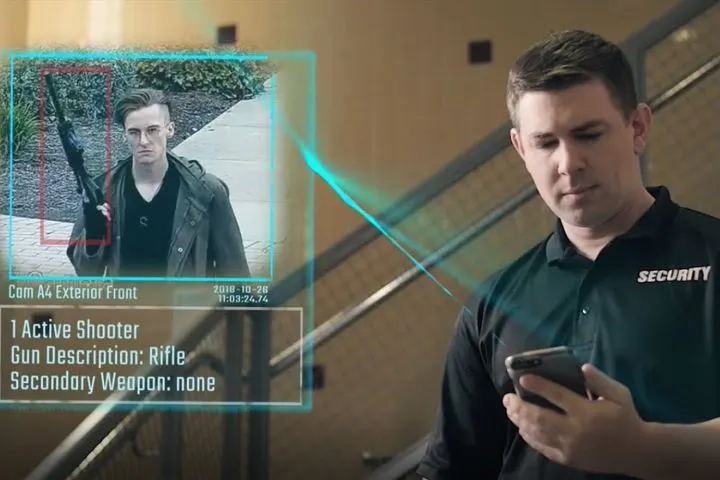
If a brandished firearm is detected, an image is automatically sent to the ZeroEyes Operation Centers (ZOCs), which are staffed by military and law enforcement veterans for human verification.
Photo: ZeroEyes
As part of its continued efforts to enhance the security of riders and its employees, the Chicago Transit Authority (CTA) will pilot the implementation of
’ proactive Artificial Intelligence (AI)-based technology, which leverages existing security cameras to specifically monitor for and alert security officials to only brandished firearms.
“Ensuring the safety and security of our riders and employees is our number one priority at the CTA, and this pilot allows us to explore how new technology may be able to support these efforts and further enhance already successful and effective technologies currently in place,” said
President Dorval R. Carter Jr. “Instances of crime on the system are comparatively rare, and the CTA is proud to provide safe and reliable transportation to roughly one million riders a day. Our hope is this added measure of protection provides additional peace of mind to everyone.”
Increasing Safety on CTA
As part of its ongoing commitment to a multi-pronged approach to combating incidents of crime on and near CTA properties, the CTA has partnered with the technology company ZeroEyes, which provides a visual gun detection and situational awareness software platform based on computer vision and advanced machine learning AI.
The technology has already been implemented in a variety of settings including other major transit agencies, schools, and more, and is also currently in use at
The ZeroEyes Technology
ZeroEyes technology uses
footage to identify only brandished guns.
If a brandished firearm is detected, an image is automatically sent to the
(ZOCs), which are staffed by military and law enforcement veterans for human verification.
The ZeroEyes staff would then verify if the object detected is in fact a true brandished firearm and will then notify local law enforcement so they can immediately respond.
does not feature facial identification technology.
With this new technology, local law enforcement would be notified of a threat very quickly, often under one minute, after the system has a detection.
Notification to law enforcement includes a photograph of a suspected gunman, gun type, and specific location.
Adding to CTA’s Safety Practices
The Chicago Police Department (CPD) provides law enforcement and patrols the CTA system. The CTA’s Security Department works in close coordination with CPD on a daily basis,
is used to identify criminal activity and investigate reported customer and employee issues on the rail and bus systems.
The CTA supplements CPD’s enforcement efforts with hundreds of additional personnel deployed across the system daily who are also focused on customer and
.
CTA awarded a 12-month contract to ZeroEyes, valued at up to $200,000, and will provide 24/7 monitoring of multiple cameras across the rail system, plus supervision and supporting equipment.
The contract is being paid for with funds from the
More Security and Safety
What Transit Maintenance Facilities Should Know About Gas-Detection Placement
Proper gas-detector placement is critical to maintaining safety in transit maintenance facilities, requiring agencies to consider fleet fuel types, ventilation, shop operations, and ongoing equipment maintenance.
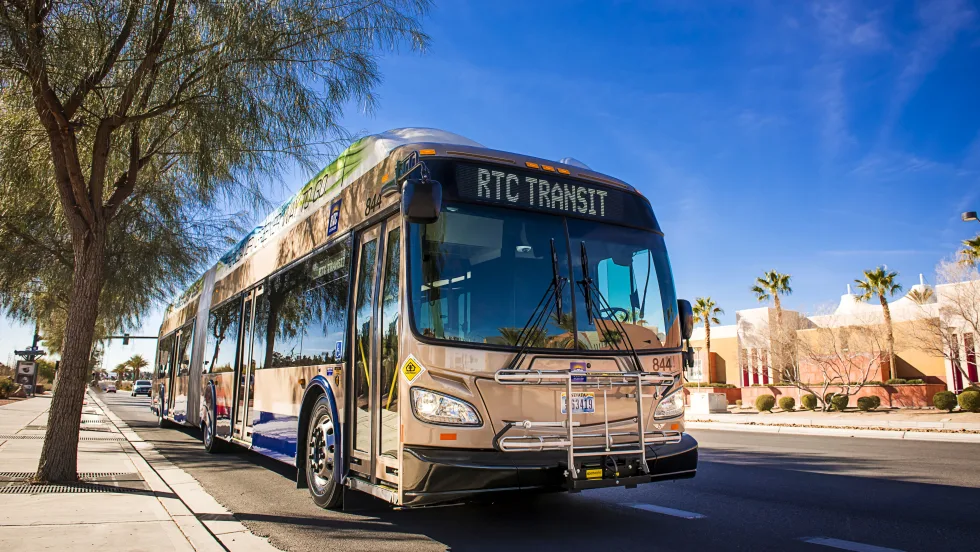
RTC Reports Nearly 29% Drop in Transit Operator Assaults
The Las Vegas agency credits expanded security measures, training, and technology for improved safety in FY 2026, while security officers have helped save 19 lives through overdose-response efforts.

Improving Transit Safety and Reliability Through AI
Hayden AI’s Chief Growth Officer, Charley Territo, discusses how AI-powered camera enforcement is helping transit agencies keep bus lanes and stops clear, improve accessibility, and move from pilot programs to full-scale deployments.

Study: Denver RTD Generates $2.1 Billion in Annual Economic Activity
An economic impact study finds the agency supports approximately 17,500 jobs, delivers $1.6 billion in annual community and mobility benefits, and generates $2.42 in economic value for every dollar invested.
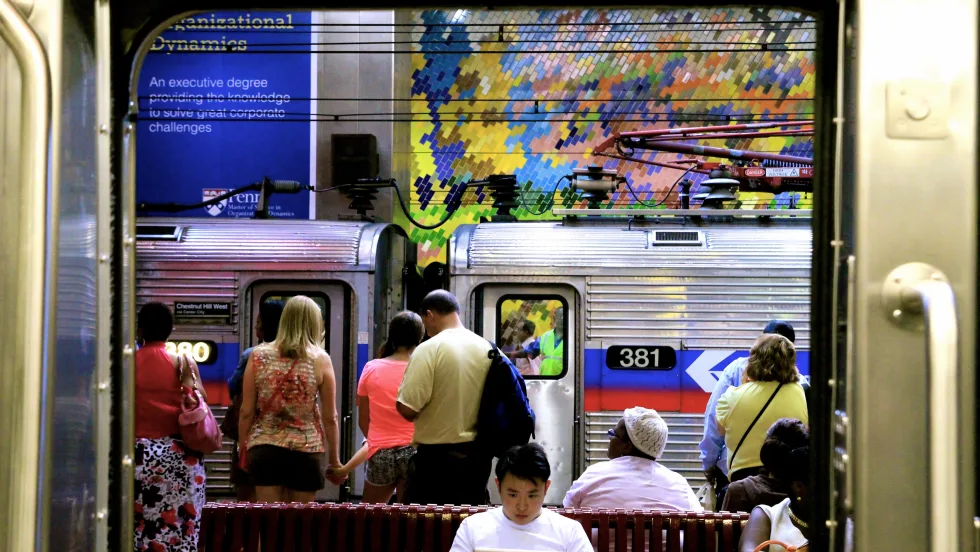
SEPTA Launches 'Reach' Program to Connect Vulnerable Individuals with Support
The initiative deploys specialists throughout Philadelphia’s transit system to connect individuals with housing, healthcare, and social services while addressing safety and quality-of-life concerns.
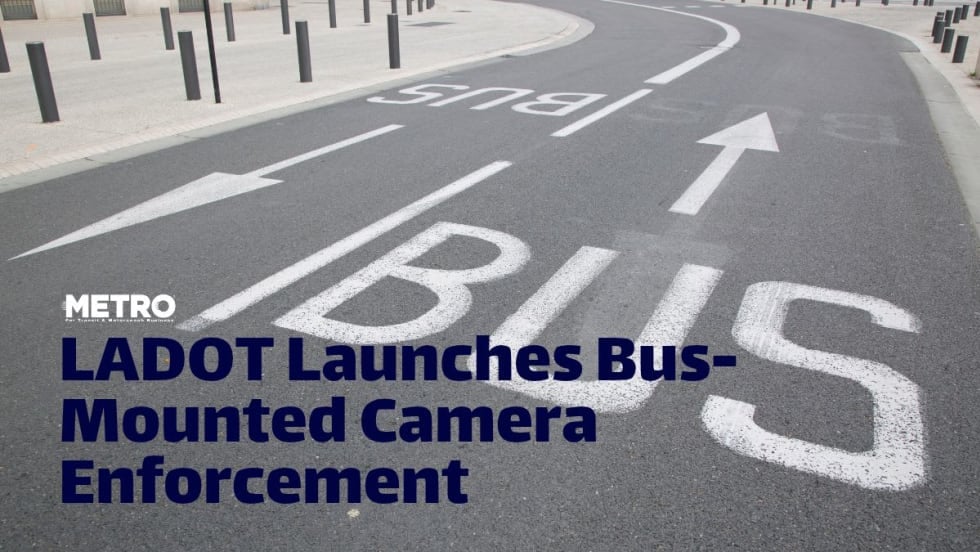
LADOT to Launch Bus-Mounted Camera Enforcement on DASH Buses
The program will begin with a 60-day warning period before citations are issued in January 2027, joining similar efforts across Southern California to improve bus reliability, safety, and accessibility.
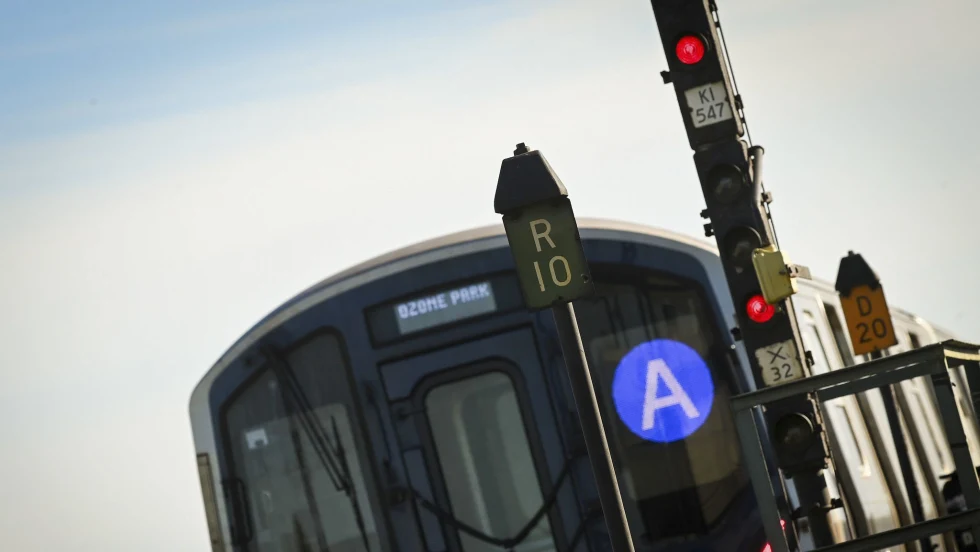
New York MTA Launches Historic $1.9B Signal, Track Modernization Project
Funded in part by congestion pricing revenue, the project will replace nearly century-old signals along the A and C lines in Brooklyn and Queens.
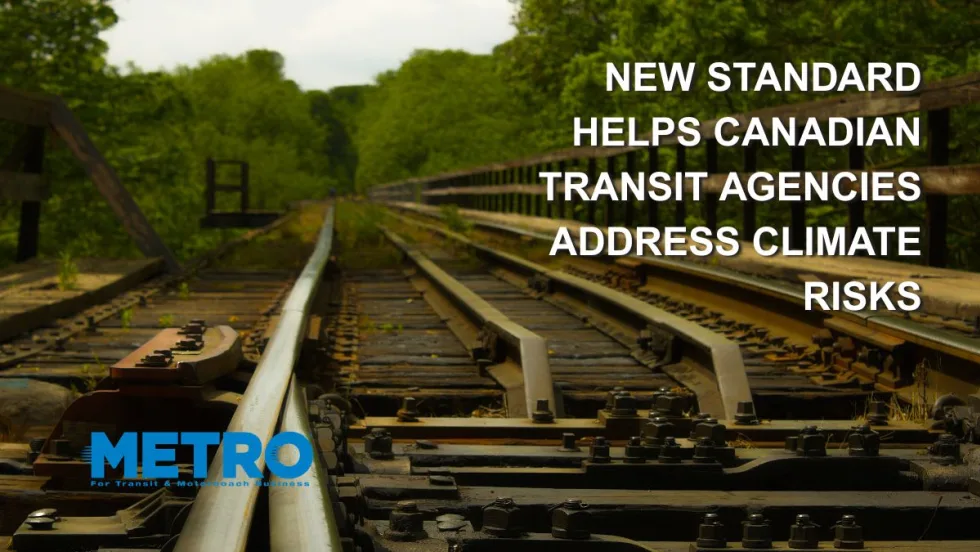
CSA Group Releases Climate Resilience Standard for Transit, Passenger Rail
Developed with support from the Standards Council of Canada, CSA D700 guides assessing climate-related risks and planning adaptation measures for transit and passenger rail systems.
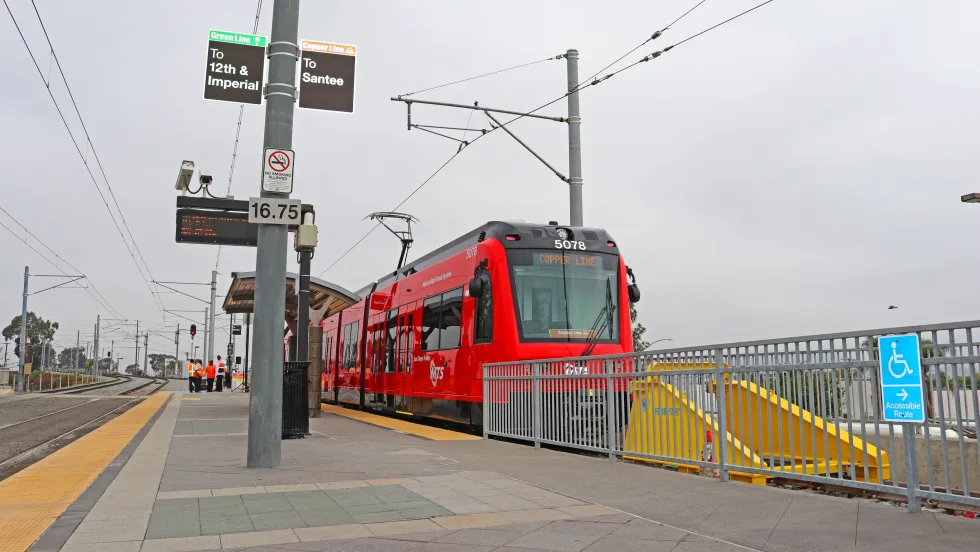
San Diego MTS Approves New Fare Evasion Penalty Program
The new administrative process will move eligible violations out of the criminal court system, cap penalties at $125, and provide flexible payment options for riders.
RTC of Southern Nevada Reports 29% Drop in Transit Operator Assaults
The agency credits expanded security measures, employee training, and technology investments for improvements in transit safety, while security officers have responded to 19 suspected overdoses since July.