




Related: CTA announces plan to strengthen bus operator training
Chicago Transit, Northwestern U. announce transportation partnership
Beginning this fall, the university is replacing the service provided by its Ryan Field Shuttle with the CTA’s #201 Central/Ridge bus route, which will offer university faculty, students and employees with more frequent service, longer service hours, and extended routing.
July 20, 2015
Amerique
2 min to read
Amerique
The Chicago Transit Authority’s (CTA) board approved a five-year agreement with Northwestern University that will provide university employees, students and faculty with convenient transportation to campus, Ryan Field, Evanston’s central business district and other destinations as well as reduce local traffic congestion by consolidating redundant local transit options.
Beginning this fall, the university is replacing the service provided by its Ryan Field Shuttle with the CTA’s #201 Central/Ridge bus route, which will offer university faculty, students and employees with more frequent service, longer service hours, and extended routing that provides valuable connections between Old Orchard Mall and CTA’s Howard bus and rail terminal.
“This first-of-its-kind agreement with Northwestern University exemplifies the value of public-private partnerships,” said CTA President Dorval Carter Jr. “This benefits not only the school, but also the surrounding communities by making it easier to connect to local communities and neighborhoods and reducing local traffic congestion and harmful emissions as a result of fewer buses traveling many of the same roadways.”
Under the new agreement, which goes into effect September 1, the university has agreed to reimburse CTA for the cost of $2 fares for those who board #201 buses displaying a valid and active Northwestern University-issued ID card. The program will be available to eligible university riders each year between September 1 and June 30 until 2020. For the remaining two months of the year, service along the #201 route will continue to be provided; however, university riders will need to pay the standard CTA bus fare.
The value of the agreement to CTA will be a maximum of $32,000 a month for the first four months of the contract. That amount may be revised upward based on actual ridership — up to $40,000 a month, if both parties agree — for the remainder of the 2015-2016 school year. The maximum amount will be reset twice a year for subsequent school years.
CTA anticipates an additional 600 weekday rides along the #201 bus route as a result of this new agreement.
More Bus
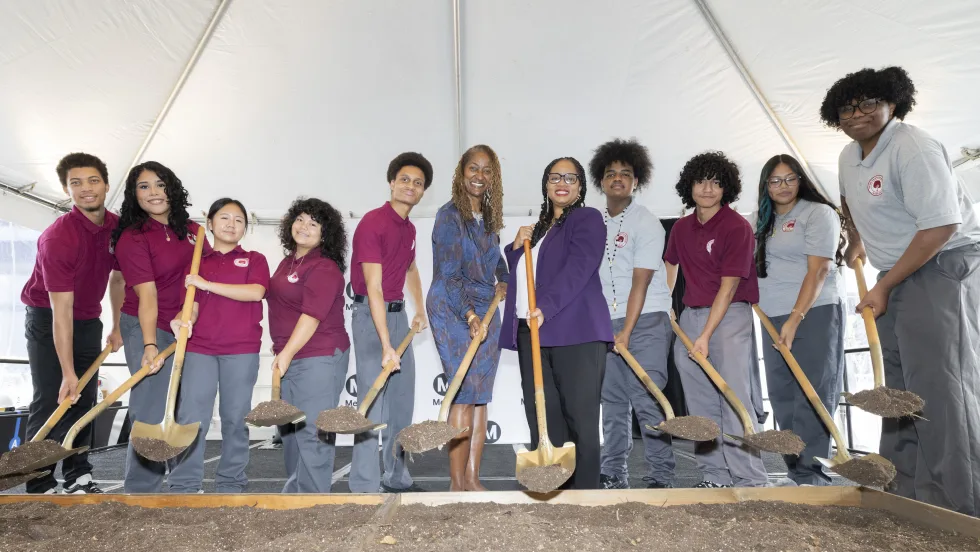
LA Metro Breaks Ground on Vermont BRT Project
The 12.4-mile corridor is projected to serve 66,200 daily riders, reduce travel times by up to 24%, and create the nation's busiest bus rapid transit corridor.
Read More →
Roman Cornell on ABC Companies’ Evolution and the Future of Passenger Transportation
The company’s CEO discusses carrying forward a third-generation family legacy, ABC’s continued evolution in passenger transportation, support for increasingly complex fleets, and how technology and continued investment could help operators improve uptime.
Read More →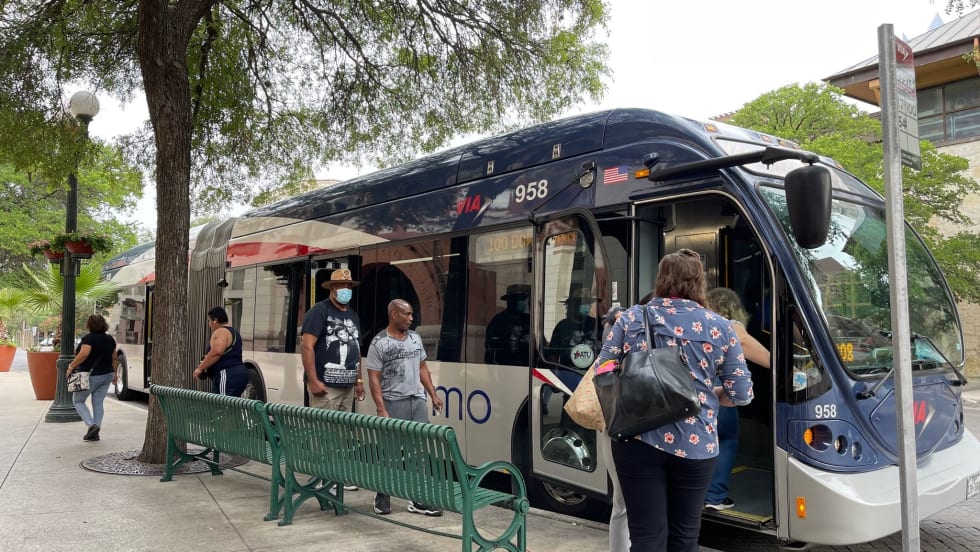
VIA Bus Ridership Grows 10.1% Through August 2026
San Antonio's VIA Metropolitan Transit reported the highest bus ridership growth among major Texas transit systems. Federal Transit Administration data ranked it second among the nation's 50 largest transit systems.
Read More →
LA Metro September Ridership Climbs 3.9%, Led by Rail Growth
The agency recorded more than 27.2 million boardings, with rail ridership increasing 12.4% year over year and the D Line posting the largest gains.
Read More →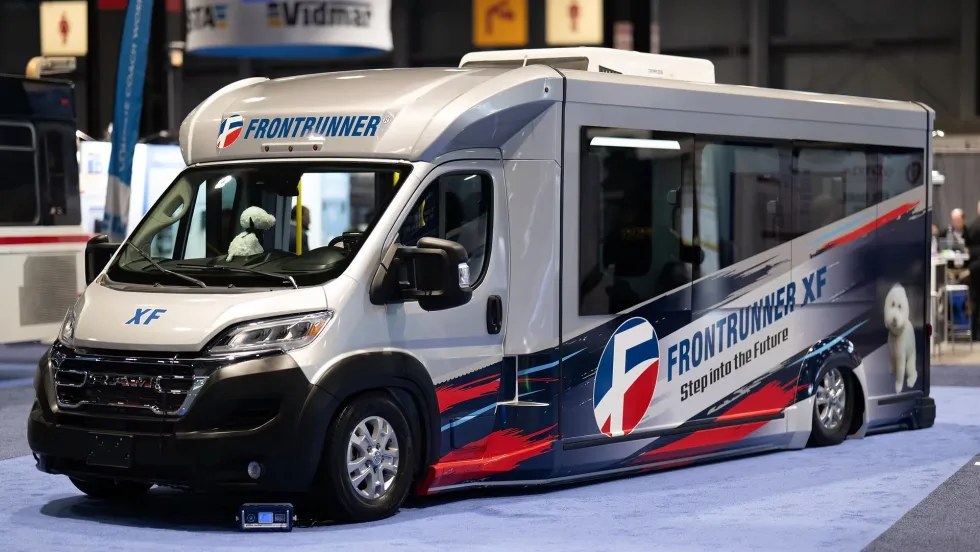
Frontrunner Bus Group Introduces XF Low-Floor Bus with Enhanced Accessibility
The new mid-sized bus features a full flat-floor design, eight-inch curbside step-in height, and zero-entry rear ramp to improve passenger access and operational flexibility.
Read More →
Scenes from APTA TRANSform & EXPO 2026
Transit leaders, manufacturers, and industry professionals gathered in Chicago to explore new technologies, share ideas, and discuss the future of public transportation.
Read More →
More Than a Summer Job: Building the Next Generation of Transit Talent
The Delaware River Port Authority and PATCO have transformed their internship program into a hands-on professional development experience that introduces students to the breadth of transportation careers — and creates a pipeline for future employees.
Read More →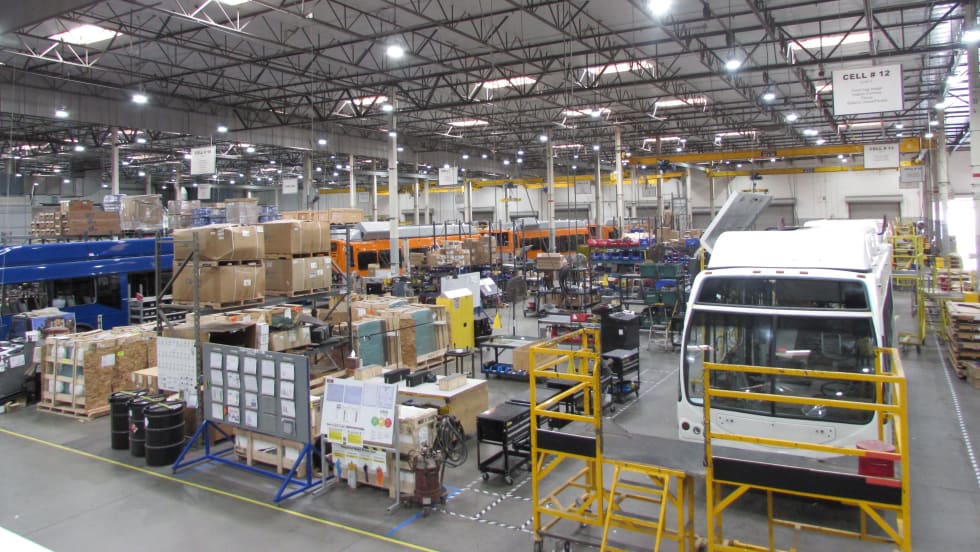
LA Metro Board Awards 220 Battery-Electric Bus Contract to ENC
The contract, which is the largest base award of battery-electric buses by a U.S. transit agency, will be built in Southern California, sustaining good jobs as LA prepares to welcome the world in 2028
Read More →
Public Transit Conference Returning to GFX in 2027, Call for Papers Now Open
The Call for Papers is now open, allowing transit agency professionals and industry experts to help shape the PTC educational program by submitting session ideas for consideration.
Read More →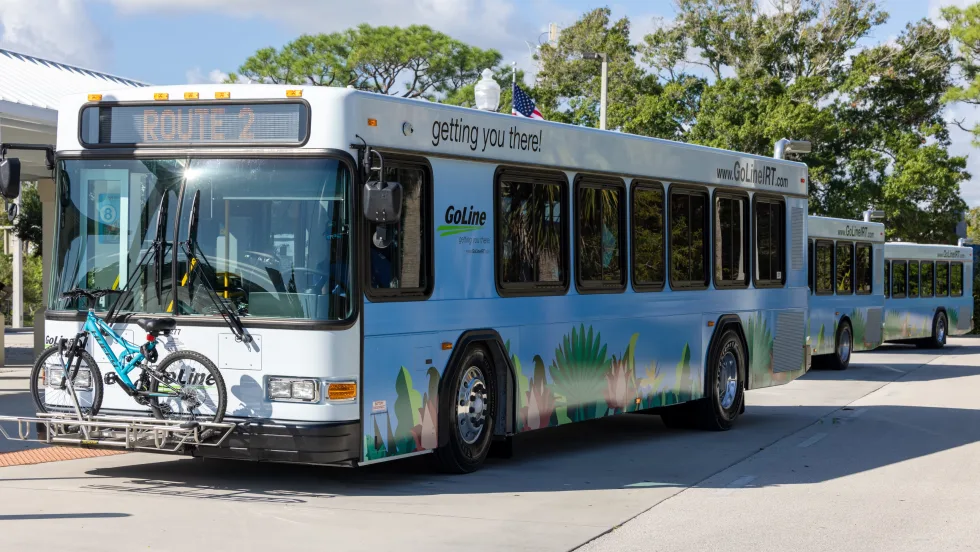
Indian River Transit’s Community-Focused Approach Earns National Recognition
Named APTA’s 2026 Outstanding Public Transportation System in its size category, Florida’s Indian River County transit system continues to grow ridership through fare-free service and a focus on evolving community needs.
Read More →