




RELATED: Amazon patent reveals plan to use buses as mobile delivery sites
Cities may be completely redesigned around changed mobility: Study
Focuses on ridesharing, micro-mobility, EVs, and AVs and details their impact on commercial real estate sector.
February 7, 2019
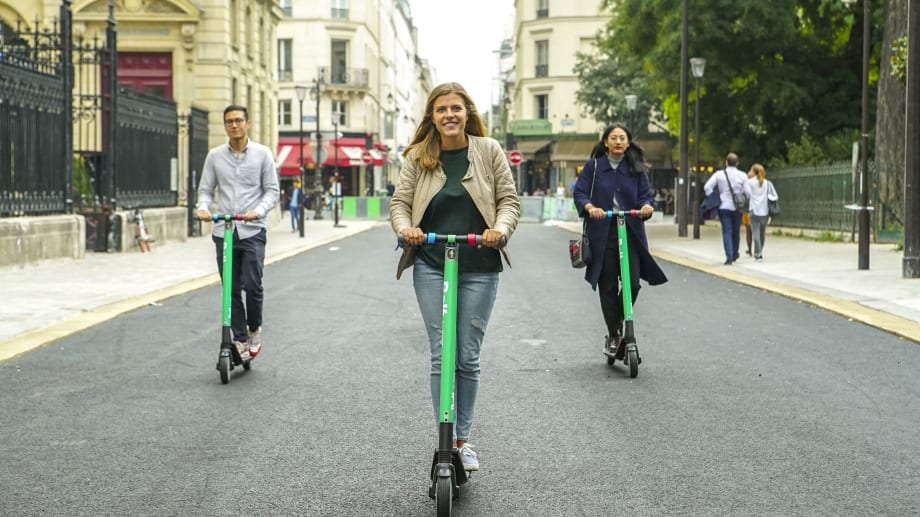
In suburban areas, expect repurposing of parking for bikes and scooters for short-distance needs, according to a new study. Photo: Taxify
4 min to read
In suburban areas, expect repurposing of parking for bikes and scooters for short-distance needs, according to a new study. Photo: Taxify
Changing mobility trends may lead to cities being completely redesigned and has the potential to erode transit oriented developent premiums, according to a new study.
The report, “Tech Disruptor Series”, Mobility Shifts and Commercial Real Estate - Implications of Ridesharing; Autonomous Vehicles; Micro-mobility and Electric Vehicles, identifies existing and emerging trends in the technology industry primed to reshape commercial real estate (CRE).
Compiled by Cushman & Wakefield, the report focuses on transportation shifts, including ridesharing, micro-mobility (e-scooters), EVs (electric vehicles), and AVs (autonomous vehicles) and details their impact, both present and future, on the commercial real estate sector, including implications for office space, transit networks, gas stations and manufacturing centers. The report also highlights major obstacles and challenges the transportation industry faces, as these new technologies grow.
Top Ten Takeaways:
1. Ridesharing, autonomous vehicles (AVs), electric scooters and bikes changing consumer behavior: Ridesharing is already reducing use of public transit and increasing the number of vehicular-miles travelled, increasing congestion and pollution. These trends are set to accelerate with widespread AV use.
2. First adoption in industrial logistics and manufacturing: Due to safety concerns, initial widespread use is likely to be in industrial – particularly freight and trucking, especially in sparsely populated areas.
3. Private car ownership will survive – for now: Ridesharing does not seem to have reduced car ownership as yet. Consequently, parking demand for multifamily developments and single-family homes will continue.
4. Frees up space: lots of it. Repurpose– or risk obsolescence: At least 34% of existing parking in the U.S. (61 billion square feet) and up to 140,000 gas stations will be at risk with increased AV and EV adoption by 2040 – 2050.
5. Exploding demand from data centers, cloud computing, entertainment content, high-tech manufacturing, cybersecurity and original equipment manufacturers (OEM): In the Bay Area alone, mobility companies occupied just under six million square feet in 2018.
6. Provides more location flexibility but location will still matter: As commute times matter less, companies can open offices in less expensive suburban locations, increasing suburban sprawl. As AVs reach full self-driving capability, expect re-densification of urban cores.
7. Potential to erode transit-oriented development (TOD) premiums: TOD premiums might abate or even disappear over time. On the other hand, public transportation systems could be revitalized by self-driving mass transit buses or trains, particularly to combat increased congestion in major urban markets.
8. Large, wealthy, densely populated cities with expensive parking likely to be “early adopters”: These comprise gateway cities as well as San Jose, Denver, Seattle and Philadelphia with early “mobility-as-a-service” (MaaS) adoption as well. Car-centric cities such as Phoenix, Orlando, Las Vegas and Raleigh/Durham, etc., are likely to see less change.
9. Widespread adoption at least a decade or two away with many obstacles – regulatory, environmental, overall travel demand and legal: Regulatory and environmental factors remain wild cards as do declining overall travel demand and growth of other mobility options such as the electric scooter, public transportation and increased congestion. All these inject significant uncertainty into the actual trajectory and direction of change.
10. Combine constants – need for talent, innovation centers, building amenities - with data, flexibility and efficiencies: Occupiers still want talent, and talent flocks to large, dynamic urban cities driving change and creating jobs. Building-level soft amenities, services and technologies that straddle hospitality services as well as data collection from buildings and occupiers (via surveys) are smart bets under any scenario. CRE players who focus on flexibility and efficiencies and can position assets to adapt to mobility changes are best placed to outperform their competitors.
The report also lays out some near, mid- and long-term real-estate opportunities. Some of the notable examples include:
In the near-term (now to 10 years), expect immediate changes to industrial businesses, including the relocation of large warehouses and distribution centers to suburban and/or less costly neighborhoods. With respect to urban offices, anticipate more dedicated waiting areas and/or bikeshare/scooter docks, as well as, dedicated parcel delivery zones to improve lobby traffic.
In the mid-term (10-15 years), expect new-employee parking-space models to increase warehouse efficiency design for industrial real estate. In suburban areas, expect repurposing of parking for bikes and scooters for short-distance needs, including building to parking or to lunch and from apartment to supermarket.
And in the long-term (15+ years), expect cities to be completely redesigned around changed mobility. This includes dedicated pick-up spots for autonomous vehicle fleets and a decreased need for truck stops, leading to redeveloped CRE opportunities along major highways.
More Management
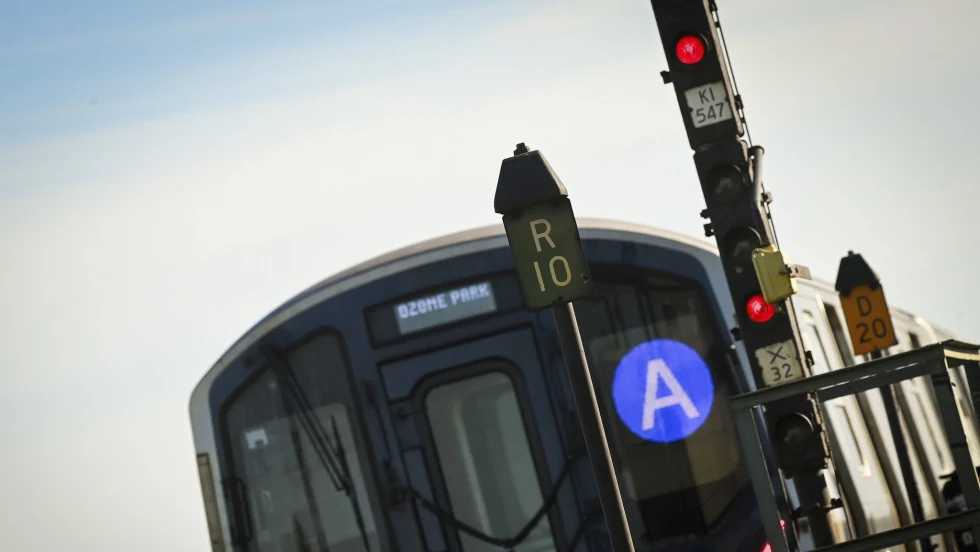
New York MTA Launches Historic $1.9B Signal, Track Modernization Project
Funded in part by congestion pricing revenue, the project will replace nearly century-old signals along the A and C lines in Brooklyn and Queens.
Read More →
Brian Dickson on Building Stronger, More Resilient Transportation Organizations
Bus Business Consultants Founder Brian Dickson discusses the leadership principles, operational discipline, and strategic planning that separate transportation companies positioned for long-term success from those stuck in survival mode.
Read More →
LA Metro Breaks Ground on Vermont BRT Project
The 12.4-mile corridor is projected to serve 66,200 daily riders, reduce travel times by up to 24%, and create the nation's busiest bus rapid transit corridor.
Read More →
Building Stronger Leaders, More Resilient Transit Teams
Dr. Carol Parker Walsh discusses leadership development, employee retention, workplace culture, and preparing transit’s workforce for AI and automation.
Read More →
Roman Cornell on ABC Companies’ Evolution and the Future of Passenger Transportation
The company’s CEO discusses carrying forward a third-generation family legacy, ABC’s continued evolution in passenger transportation, support for increasingly complex fleets, and how technology and continued investment could help operators improve uptime.
Read More →
CATS Launches West Charlotte Microtransit Zone, Expands Transit Services
The new microtransit zone connects residents to key destinations as Charlotte Area Transit System rolls out the first phase of its 2055 Transit System Plan.
Read More →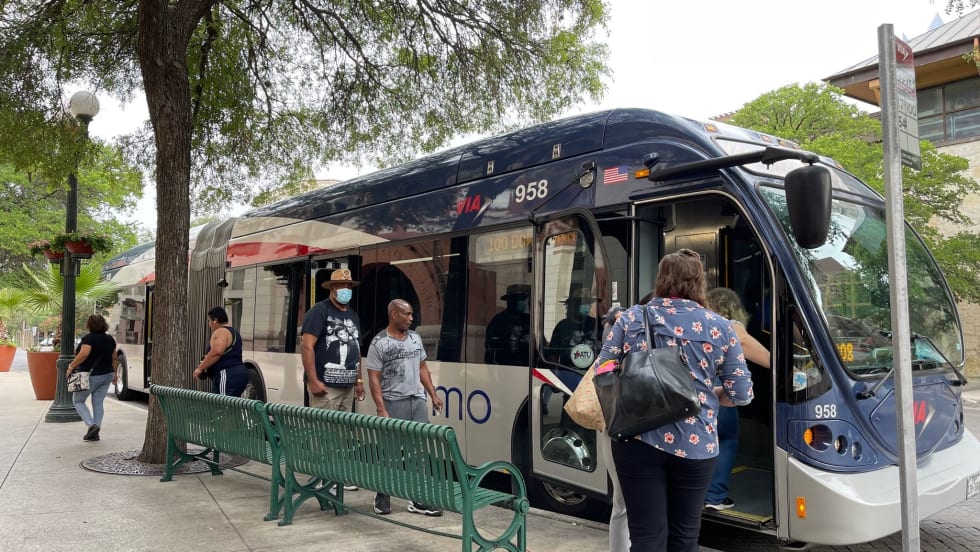
VIA Bus Ridership Grows 10.1% Through August 2026
San Antonio's VIA Metropolitan Transit reported the highest bus ridership growth among major Texas transit systems. Federal Transit Administration data ranked it second among the nation's 50 largest transit systems.
Read More →
CSA Group Releases Climate Resilience Standard for Transit, Passenger Rail
Developed with support from the Standards Council of Canada, CSA D700 guides assessing climate-related risks and planning adaptation measures for transit and passenger rail systems.
Read More →
ETA CEO John Maglio on Transit Technology, Innovation, and Building Agency Trust
ETA founder and CEO John Maglio explores the evolution of transit technology, the importance of reliable systems, and how stronger partnerships can help agencies improve operations and the passenger experience.
Read More →
COTA Launches First Customer Experience Action Plan to Improve Transit Service
The new plan outlines improvements to service reliability, accessibility, communication, and the overall rider experience across Central Ohio's transit system.
Read More →