



DBE workshops launch in Denver
Focused on the construction of two light-rail commuter lines planned by Colorado DOT and the RTA. The combined projects, estimated to cost $2.4 billion, will provide 33.3 miles of new light rail.

Federal Highway Administrator Victor Mendez met with members of the business community in Denver at a workshop to improve small businesses' ability to compete for federal transportation contracts and engage more women and minorities in construction careers.
"Open and fair competition for federal transportation projects among businesses of all sizes ensures the best value for taxpayers," said U.S. Transportation Secretary Ray LaHood. "Finding new and better ways to open doors to minority- and women-owned businesses is central to that effort, and we are very committed to expanding opportunities for these businesses."
The workshop, co-hosted by the Federal Transit Administration (FTA), gave local trade unions, construction contractors, and minority- and women-owned businesses an opportunity to meet each other as well as officials from the U.S. Department of Transportation (USDOT) and the Denver Regional Transit Authority (RTA).
The event is part of a larger national effort to ensure participation by small and disadvantaged businesses (DBEs) in the nation's economic recovery and help states meet their goals for awarding contracts to DBEs.
The Denver meeting focused on the construction of two light-rail commuter lines planned by Colorado DOT and the RTA. The combined projects, estimated to cost $2.4 billion, will provide 33.3 miles of new light rail from Denver International Airport to downtown Denver, and from downtown Denver to suburban Wheat Ridge. The workshop is being held well in advance of advertising contracts in order for all to participate in the process.
In the coming months, the Federal Highway Administration will sponsor four similar meetings around the country. Each event will focus on a specific federally-funded transportation project and help minority- and women-owned DBEs learn about contracting opportunities and how to better position themselves to take advantage of these opportunities.
USDOT officials will meet with DBEs, state and local transportation officials, and other stakeholders in coming months about the following projects:
Hartford — New Britain to Hartford Busway, Aug. 3-4. Estimated to cost $573 million, this project will design and build 9.4 miles of bus lanes and 11 stations within existing but unused railroad right-of-way parallel to I-84 from New Britain to Union Station in downtown Hartford. This event will be co-hosted by the FTA.
Phoenix — new Construction on I-10 and Estrella Expressway, Aug. 24-25. The two projects, estimated to cost more than $3 billion, will build 16 miles of new six-lane freeway from I-10 to State Route 60 and 12 miles of six-lane freeway through Glendale, Peoria and El Mirage from the Estrella Expressway to Grand Avenue.
Brooklyn and Queens — Kosciuszko Bridge Replacement, in October. Estimated at $670 million, this project will widen a 1.1-mile segment of the Brooklyn/Queens Expressway and rebuild two structures to replace the existing bridge.
Louisville and New Albany, Ind. — Ohio River Bridges, Nov. 9-10, 2010. These projects, estimated at more than $4 billion, will build two new bridges - one in downtown Louisville and another on the east side of the city connecting the Gene Snyder Freeway in Louisville, Ky., to the Lee Hamilton Highway in New Albany, Ind. In addition, the existing interchange, where I-64, I-65 and I-70 converge in downtown Louisville, will be rebuilt.
More Management
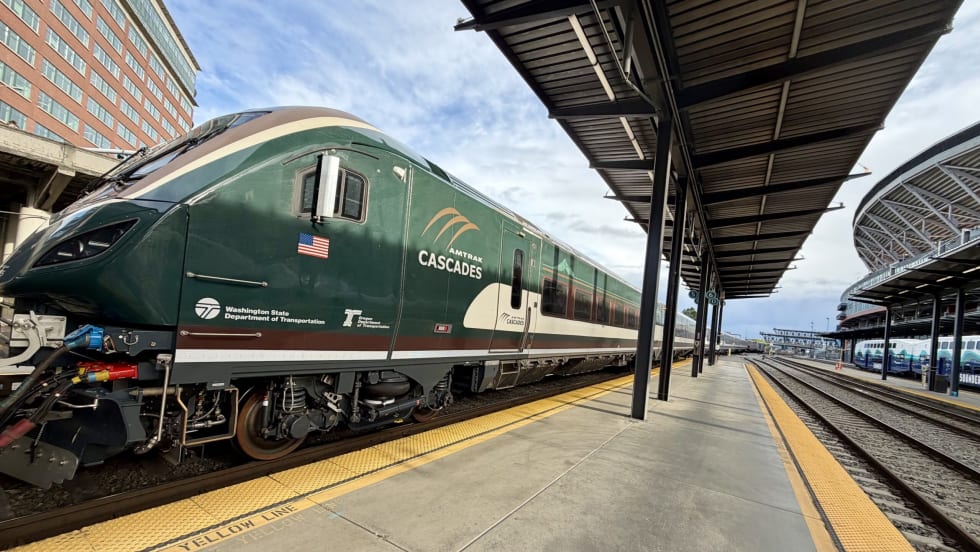
FRA Announces $5.3B in Rail Investments, Including $2B for Amtrak
Funding will support grade-crossing improvements, infrastructure upgrades, and new Amtrak equipment in 23 states.
Read More →
Finding the ‘Happy Medium’: Optimizing Maintenance Without Sacrificing Reliability
The key to maintenance optimization isn’t doing less work—it’s doing the right work at the right time on the right assets.
Read More →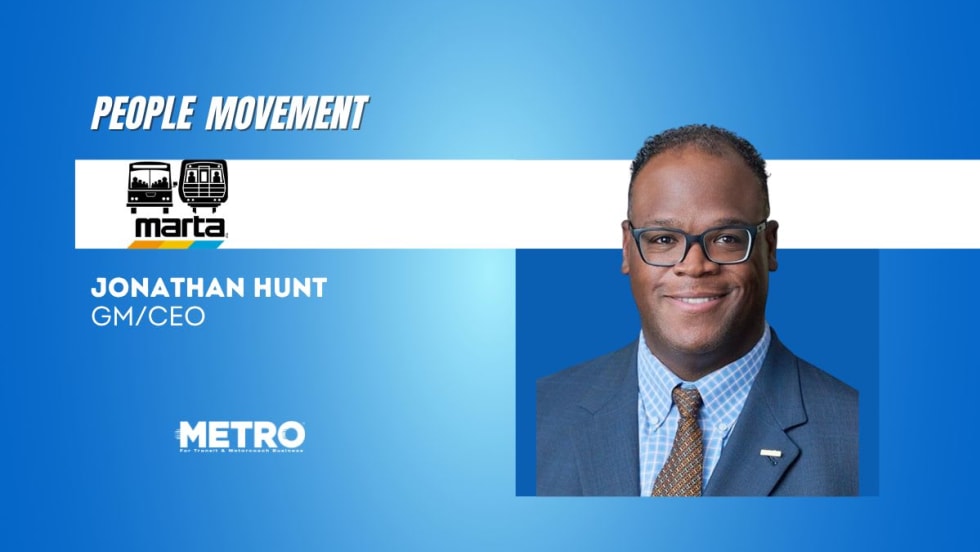
People Movement: MARTA Drops Interim Tag on GM/CEO Hunt and More
In this edition, METRO covers recent appointments and announcements at the FMCSA, HDR, SilverRide, and more, showcasing the individuals helping to shape the future of transportation.
Read More →
VIA Metropolitan Transit Reports 2 Million More Passenger Trips as Better Bus Plan Gains Momentum
San Antonio's transit agency said accelerated service improvements are driving ridership growth, offering another example of how increased frequency and workforce investments can translate into stronger transit performance.
Read More →
ABAF Study Reveals Growing Insurance Crisis for Motorcoach Operators
Preliminary findings show 98% of operators faced premium increases over the past five years, while shrinking insurer participation is putting added pressure on businesses and customers.
Read More →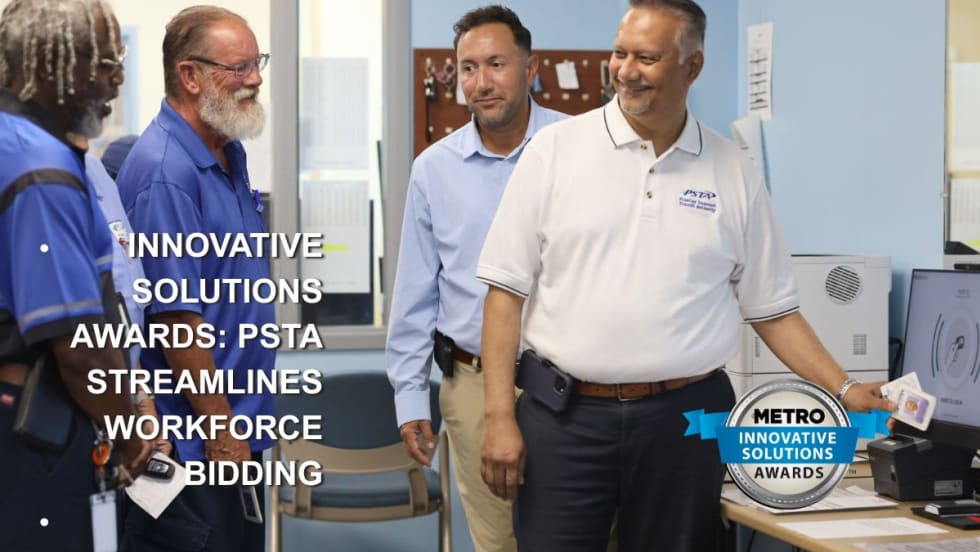
PSTA Modernizes Workforce Management with Digital Bidding System
The award-winning Workforce Transit Modernization project replaced paper bidding with a transparent digital platform, cutting administrative effort while improving access for operators.
Read More →
Chicago to Host Public Transportation's Biggest Gathering at APTA TRANSform & EXPO 2026
North America’s largest public transportation gathering returns to Chicago, connecting transit decision-makers with the technologies, ideas, and partnerships driving the industry forward.
Read More →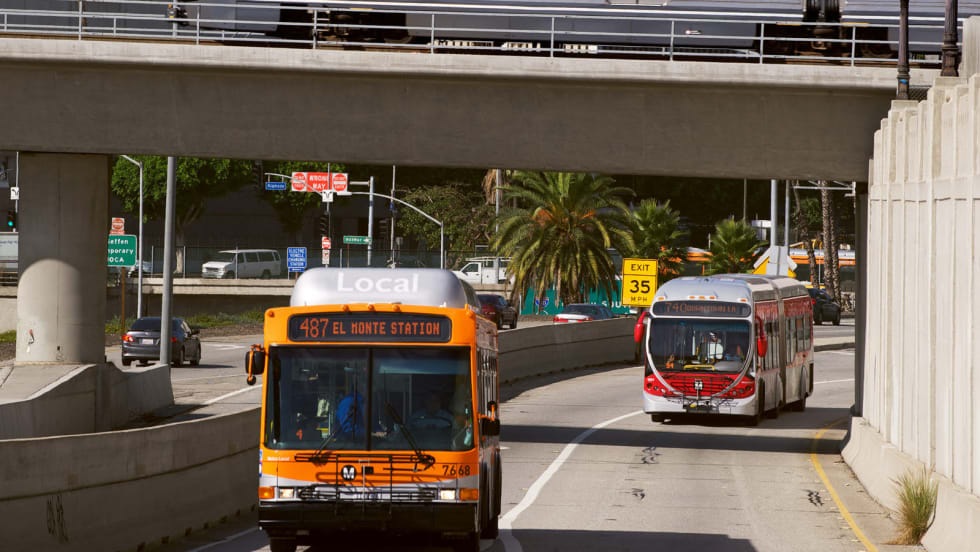
New Tricks for Old Bureaucracies: Joshua Schank on Making Transit Innovation Stick
Former LA Metro Chief Innovation Officer Joshua Schank discusses why good ideas aren't enough, how transit agencies can overcome resistance to change, and why today's challenges demand more innovation.
Read More →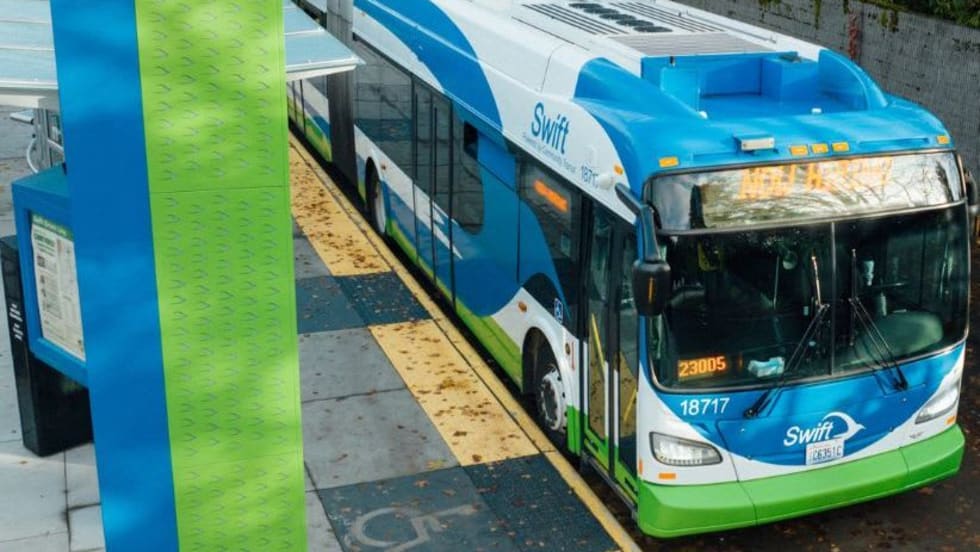
Washington's Community Transit Sets Six-Year Roadmap for Growth, Expansion
Approved TDP targets more bus service, new mobility options, Swift BRT expansion, and a potential Everett Transit annexation.
Read More →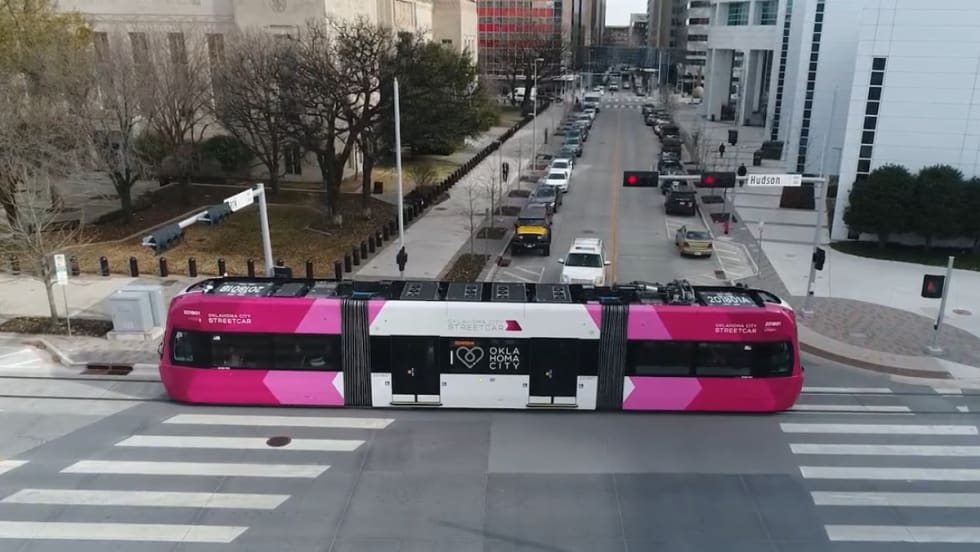
OKC Streetcar Makes Zero-Fare Service Permanent
Ridership increased an average of 71% compared with the same period a year earlier during the fare-free pilot.
Read More →