



Denver cracks down on strollers, carts in wheelchair areas of buses
The policy, initially enacted in 2003, requires large items to be collapsed before boarding and kept with the riders, behind the front area reserved for people with wheelchairs. Riders with disabilities filed a lawsuit because for years, the able-bodied took the seats in the designated area and wouldn’t give them up.

DENVER — FOX 31 reported that the Denver Regional Transportation District (RTD) began more strict enforcement of a policy that requires large items such as strollers and grocery carts to be collapsed before boarding. Those items must remain out of the aisle and with the riders, behind the front area reserved for people with wheelchairs.
The policy, initially enacted in 2003, has raised concerned from some mothers who have to juggle children while collapsing strollers and those with large items. However, RTD’s drivers are required to help a rider collapse a stroller if they request assistance.
An RTD official told the news outlet that riders with disabilities filed a lawsuit because for years, the able-bodied took the seats in the designated area and wouldn’t give them up when a person with a disability boarded the bus.
The agency relaxed the rules to help mothers and those with large items sit up front, but that was only on the condition that they moved if a person in a wheelchair got on the bus. For the full story, click here.
More Paratransit

Laketran Cuts Fuel Costs, Boosts Efficiency with Propane-Powered Fleet
The Ohio transit agency is using propane-powered vehicles and on-site fueling infrastructure to cut fuel and maintenance costs while meeting growing demand for paratransit services.
Read More →
Pierce Transit Moves to Expand Fleet Following Proposition 1 Approval
The agency authorized the purchase or refurbishment of up to 60 buses to support a 47% service expansion, as voters nationwide approved billions in new transit funding.
Read More →
Right-Sizing Rural Transit: Lessons from North Grenville’s On-Demand Model
A small municipality shows how flexible service, rider needs, and public accountability can expand mobility with limited resources.
Read More →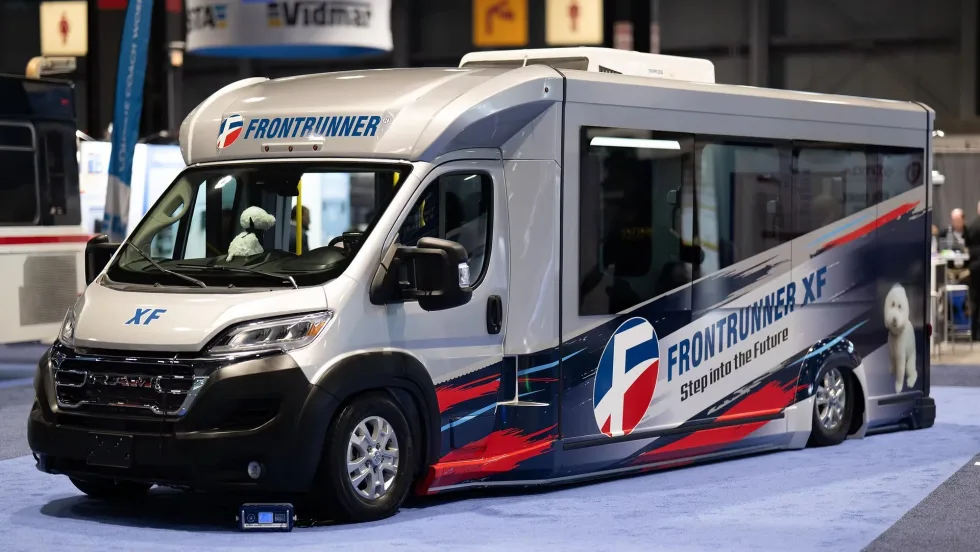
Frontrunner Bus Group Introduces XF Low-Floor Bus with Enhanced Accessibility
The new mid-sized bus features a full flat-floor design, eight-inch curbside step-in height, and zero-entry rear ramp to improve passenger access and operational flexibility.
Read More →
Scenes from APTA TRANSform & EXPO 2026
Transit leaders, manufacturers, and industry professionals gathered in Chicago to explore new technologies, share ideas, and discuss the future of public transportation.
Read More →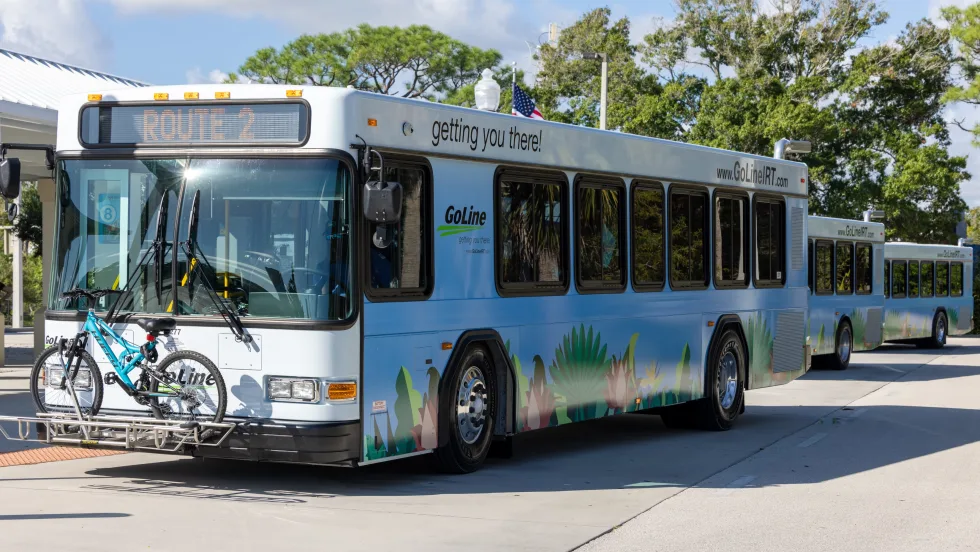
Indian River Transit’s Community-Focused Approach Earns National Recognition
Named APTA’s 2026 Outstanding Public Transportation System in its size category, Florida’s Indian River County transit system continues to grow ridership through fare-free service and a focus on evolving community needs.
Read More →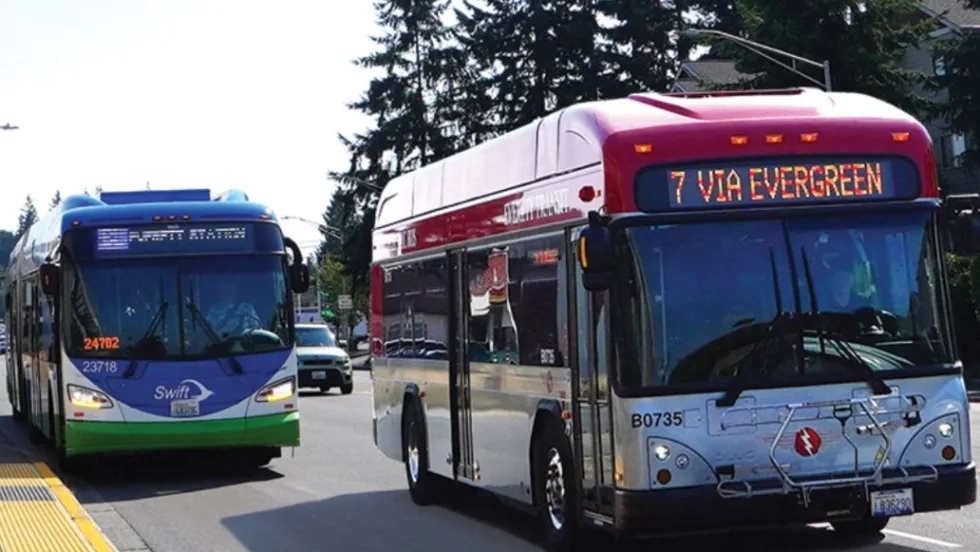
Everett Transit, Community Transit Outline Consolidation Agreement
The proposed agreement calls for a 50% increase in bus service in Everett, a new microtransit zone, continued paratransit service, and the transfer of Everett Transit operations to Community Transit.
Read More →
Driving Smarter Paratransit
John Hanlon shares how AlphaRoute is leveraging AI-powered technology to help paratransit providers optimize operations, support frontline staff, and enhance the rider experience.
Read More →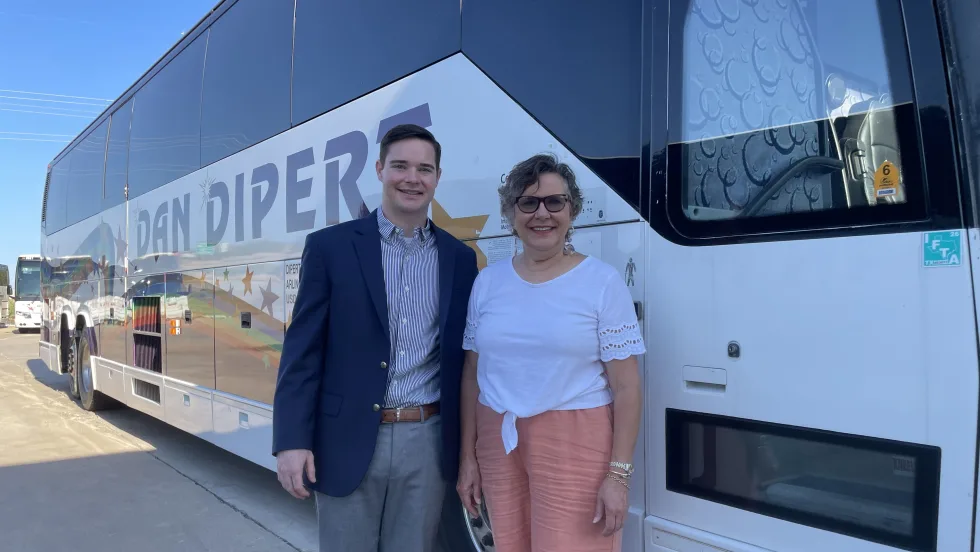
People Movement: Dan Dipert Coaches Adds Third-Generation Leader, Keolis Names New Valley Metro VP/GM, and More
In this edition, we also cover recent appointments and announcements at the Wabtec, SilverRide, HNTB, and more, showcasing the individuals helping to shape the future of transportation.
Read More →
Biz Briefs: RIPTA Unveils New Frontrunners, Clevland RTA Adds New Siemens, and More
In METRO's latest installment, we take a look at recent news from Siemens, Prevost, Dodge, and more partnerships making headlines across the transportation sector.
Read More →