



Denver RTD approves FasTracks spending plan
Will implement the FasTracks program with existing revenues as part of the Denver Regional Council of Government’s Regional Transportation Plan. Also looking to optimize ways to complete more of FasTracks sooner by re-evaluating elements of the program and all available resources.

Denver’s Regional Transportation District (RTD) board of directors approved a current snapshot for implementing the FasTracks program with existing revenues as part of the Denver Regional Council of Government’s (DRCOG) Regional Transportation Plan (RTP).
RTD, the Colorado Department of Transportation (CDOT), and all the cities and counties in the region must identify the transportation projects that can be completed within the DRCOG 2035 plan to enable the region to continue receiving federal funding.
The FasTracks projects that are identified in the RTP amendment to be completed by 2035 are based on RTD’s ability to leverage public-private funds or federal grants.
“This is what the plan looks like now, but as opportunities arise, the plan will change,” said RTD Board Chair Lee Kemp. “We believe that the plan is fiscally responsible and the right thing to do for the region, as we try to remain flexible to optimize progress on the program.”
Another way that RTD is looking to optimize ways to complete more of FasTracks sooner rather than later is to re-evaluate elements of the FasTracks program and all available resources. RTD GM Phil Washington introduced the staff’s intent to present to the board within the next 60 days ways of pooling together various resources that can be applied to the partially funded FasTracks projects.
“We have had great success in finding ways to fund projects by getting creative and thinking long term,” said Washington. “Our work isn’t done yet. I’m confident we’ll continue our path of being prudent with our resources to make worthwhile investments across the region.”
The board also approved a contract award to AECOM for final design of the North Metro Rail Line from downtown Denver up to the 72nd and Colorado Station. This contributes to RTD’s $1 billion in expenditures and commitments to the northern communities through 2017.
“It’s important to understand that while some folks are inclined to break out the FasTracks sales tax revenues contributed by county, it doesn’t translate into an immediate one-for-one return of benefits as soon as the taxes are collected,” said Washington. “It’s been reported that the northern counties of Adams, Broomfield and Boulder have collectively contributed $243 million so far, but that area actually receives more than one billion dollars in current investments and commitments. FasTracks is a fluid, dynamic and integrated program and financial plan that benefits the region as a whole.”
FasTracks is RTD’s voter-approved transit expansion program to build 122 miles of commuter rail and light rail, 18 miles of bus rapid transit service, redevelop Denver Union Station and redirect bus service to better connect the eight-county District.
More Rail
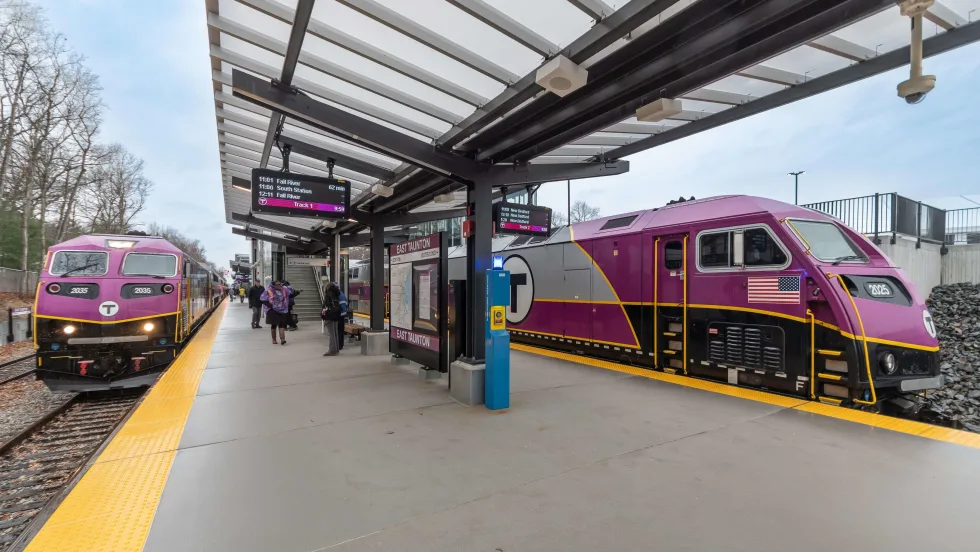
FTA Ends Direct Oversight of MBTA Safety Actions
The federal agency closed its remaining special directive to the Massachusetts Department of Public Utilities following a safety review that began in 2022.
Read More →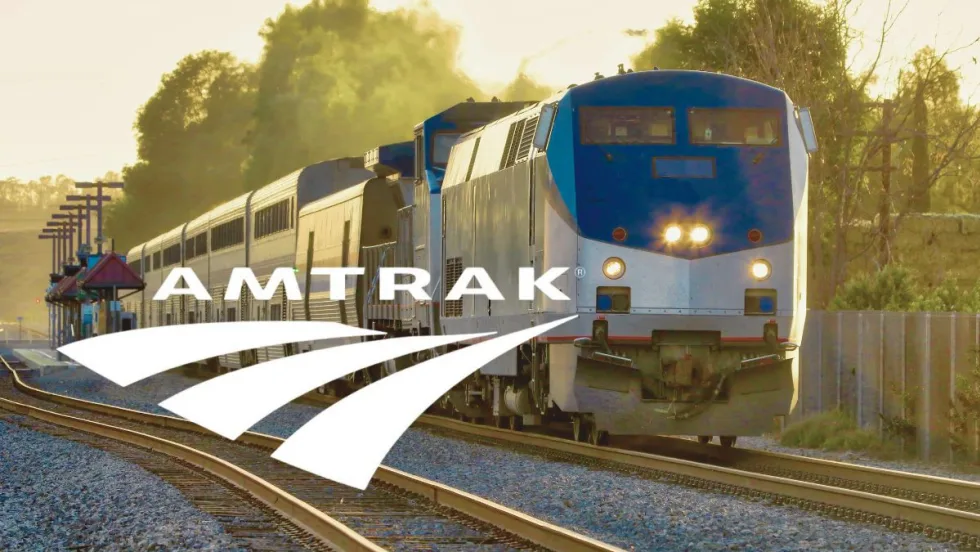
Amtrak, CN Reach Agreements to Strengthen Passenger Rail Service, Safety
The agreement resolves a more than decade-long proceeding before the Surface Transportation Board concerning the terms and conditions for Amtrak services, such as the City of New Orleans, Illini/Saluki, and Wolverine.
Read More →
New York MTA Advances Final Contract for Second Avenue Subway Expansion
Contract Four is the largest in the Second Avenue Subway Phase 2 project and includes construction of station infrastructure, tracks, and signals for the subway expansion, MTA officials said. Work on Contract Four will begin in 2027.
Read More →
San Diego MTS Breaks Monthly Trolley Ridership Record
Agency officials said July’s ridership indicates MTS’s continued recovery from the pandemic.
Read More →
Report Examines NJ TRANSIT Reliability, Funding Challenges
The Garden State Initiative analysis examines the roles of Amtrak infrastructure, fleet management, and agency operations while recommending a more performance-based approach to improving reliability.
Read More →
Stadler, CapMetro Sign Long-Term Rail Fleet Support Agreement
Beginning in 2027, Stadler will provide on-site technical expertise, spare parts support, training, and obsolescence management to help extend the reliability and longevity of CapMetro’s GTW fleet.
Read More →
Biz Briefs: Alstom Lands Canadian Contract, LYT to Supply California TSP, and More
In METRO's latest installment, we take a look at recent news from Complete Coach Works, Beep, FlixBus, and more partnerships making headlines across the transportation sector.
Read More →
CATS Gold Line Marks 5 Years of Service, 2.8M Passenger Trips
With a six-mile expansion planned, the Charlotte streetcar is positioned to connect more neighborhoods and major transit hubs across the region.
Read More →
Why Simulating Pedestrian Movement Has Become Essential for Modern Rail Stations
Pedestrian microsimulation is helping rail planners identify bottlenecks, test station designs, and prepare complex transit hubs for growing passenger volumes.
Read More →
Amtrak Begins Major Construction at New York’s Sunnyside Yard
The new maintenance facility will support Amtrak’s Airo trainsets while improving maintenance efficiency and turnaround times in New York.
Read More →