



Denver RTD's Safety, Security Enhancements Paying Dividends
At the top of the agency's list of strategies is an increased number of RTD Transit Police officers patrolling the system, an effort that has now resulted in both a month-over-month and year-over-year decrease in security-related calls.

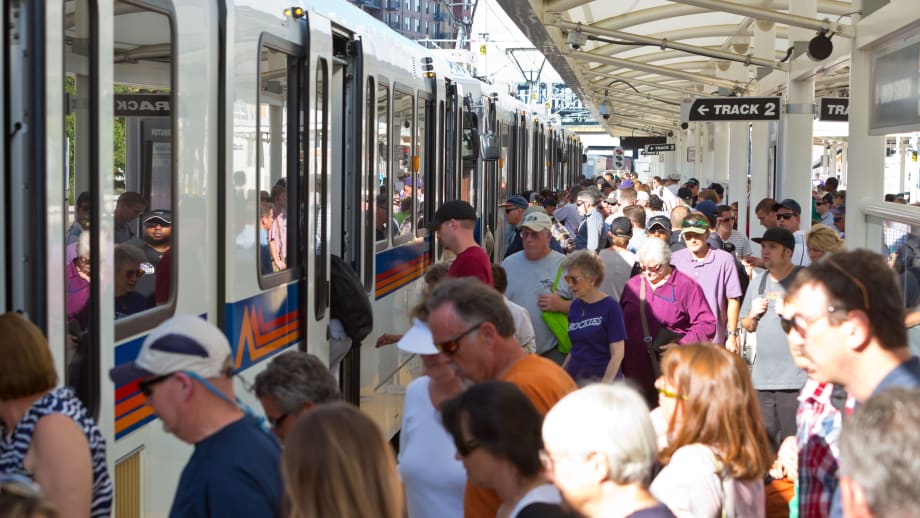
In 2024, a majority of security incidents recorded by the agency were the result of officer observations.
Photo: Denver RTD
Denver’s Regional Transportation District (RTD) is seeing measurable results after a year-long focus on bolstering law enforcement, upgrading facilities, and adding bus and train enhancements to improve the personal safety and security of its customers and employees.
At the top of the agency's list of strategies is an increased number of RTD Transit Police (RTD-PD) officers patrolling the system, an effort that has now resulted in both a month-over-month and year-over-year decrease in security-related calls.
In February 2024, RTD logged 4,460 calls, and that number was cut in half to 2,134 calls in February 2025. Similar month-over-month decreases have been observed going back to July 2024, shortly after RTD implemented 24/7 patrols and gained momentum in recruiting additional police officers.
“Calls have been decreasing because RTD is deploying more officers in high-visibility areas, and they're regularly riding buses and trains,” said RTD Acting Chief of Police and Emergency Management Steve Martingano. “We’re enforcing the Customer Code of Conduct, conducting fare sweeps, and maintaining a regular presence. These efforts are making a noticeable difference for our customers and frontline employees.”
RTD’s Increased Safety Practices Paying Off
In 2024, a majority of security incidents recorded by the agency were the result of officer observations.
As RTD expands its police force and dispatches more officers across the service area, RTD-PD is able to proactively intervene instead of relying on customers to make reports.
Last year, the number of officer observations nearly doubled, a metric the agency sees as clear evidence that growing its police force is working.
The increase in the department’s sworn officers, standing at approximately 100 currently, “is a force multiplier” and enables greater patrolling coverage across the agency’s 2,345 square-mile service area, RTD Manager of 911 Operations Michelle Lawrence said. The agency is budgeted to have 150 officers on its force by the end of 2025.
“Our job is to help the public and make sure there's a safe and welcoming transit environment for everyone,” Lawrence said. “RTD’s public safety dispatchers are passionate about being here 24/7, 365 days a year answering phones and text messages from customers, helping our officers respond to incidents, and sending emergency resources when and where they’re needed.”
Increase in Security-Related Calls
In 2024, RTD logged approximately 43,000 security-related calls for service, or an average of 118 calls each day. The metric includes customer reports of graffiti, drug activity, noise complaints, unattended bags, and other personal safety concerns.
In January 2025, RTD received 2,774 security-related calls for service to the agency’s dispatch center. During that same month, RTD had approximately five million customer boardings, which equates to approximately one security-related report for every 1,800 boardings across the entire system.
Reports from customers allow RTD-PD to know what is happening in real time and become aware of problematic areas that need addressed. The reports also support data-driven policing strategies and officer deployment.
“RTD is interwoven into the fabric of the communities it serves,” said GM/CEO Debra A. Johnson. “Whatever challenges or problems are happening near a stop or station will most certainly impact the agency’s buses and trains. Whether a customer is waiting for a connection or traveling to their destination, RTD is doubling down on its efforts to ensure their journey is seamless, comfortable, and convenient.”
More Security and Safety

Transit Agencies Highlight Safety Gains at National Summit
Leaders from 15 major transit systems shared crime-reduction results and safety initiatives while discussing the role of continued federal support.
Read More →
DART Launches Major Security, Fare Enforcement Initiative
The 90-day demonstration will deploy coordinated security teams at five light rail stations while testing controlled access and gathering data to guide future investments.
Read More →
RTD Launches NextRide App to Consolidate Trip Planning, Fares, Security Reporting
The app expands on RTD’s existing NextRide web application and allows customers to view real-time vehicle locations and service alerts, purchase and store digital fares, and access customer support.
Read More →
TAPTCO Updates OSHA Compliance Training for Transit Maintenance Operations
The revamped program addresses 26 OSHA standards for maintenance facilities, with TAPTCO pointing to training, documentation, and everyday shop hazards as continuing challenges for transit operations.
Read More →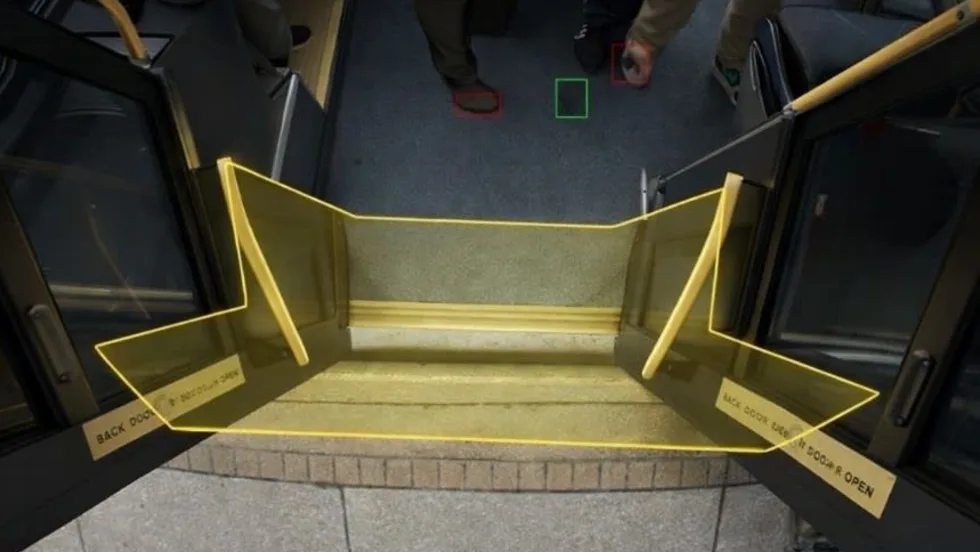
How VaporVision Adds Value to Transit Door Systems
Wabtec engineers explain how the system improves doorway detection, strengthens diagnostics and gives transit agencies and OEMs greater operating flexibility.
Read More →
FRA Announces $5.3B in Rail Investments, Including $2B for Amtrak
Funding will support grade-crossing improvements, infrastructure upgrades, and new Amtrak equipment in 23 states.
Read More →
Chicago, Maryland Expand Non-Law-Enforcement Safety, Rider Support
The CTA and MTA are launching new programs aimed at de-escalation, crisis response, rider assistance, and greater transparency.
Read More →
LA Metro, City of West Hollywood, and Partners Advance Smarter Bus Lane Enforcement
The award-winning partnership combines AI-powered detection with human oversight to improve bus reliability, accessibility, and enforcement efficiency.
Read More →
LA Metro Reports 57% Decline in Homelessness on Transit System Since 2024
The agency's latest homelessness count offers new data on how care-based services and cross-sector partnerships can complement traditional transit security strategies.
Read More →
FTA Launches 'Transit Moves America' Dashboard to Highlight Agency Safety and Performance
The online dashboard transforms National Transit Database information into a public-facing resource that allows users to compare transit agencies on key operational and safety metrics.
Read More →