




"New forms of transportation must seriously address issues like harsh weather and poor road conditions if they are ever to rival the utility of personal vehicle ownership."
Despite alt. transit options, U.S. drivers spend 12% more time in cars
Walking, biking, riding a train or subway, and using a taxi or ride sharing service showed a downward trend.
June 10, 2019
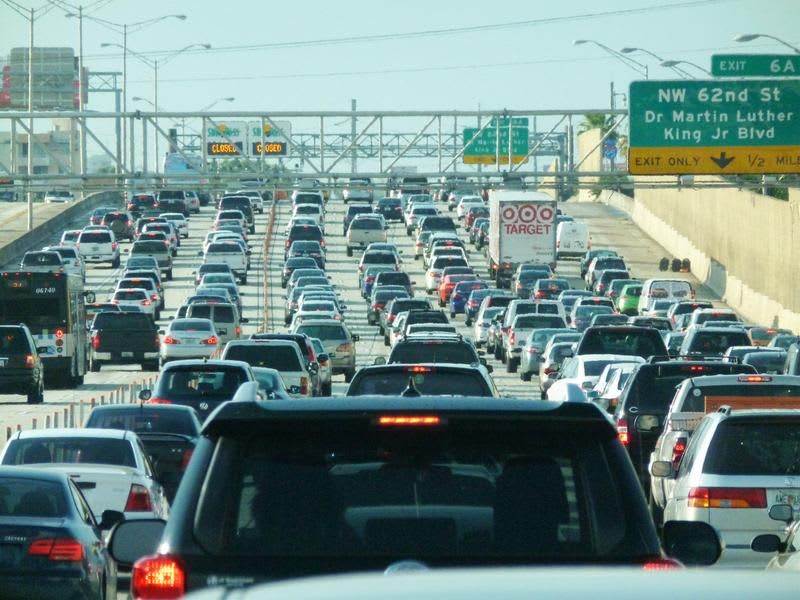
Despite many new alternative forms of transit, the average American has seen a 12% increase in time spent in their car per wee, according to a study.
Public Domain
4 min to read
Despite many new alternative forms of transit, the average American has seen a 12% increase in time spent in their car per wee, according to a study.
Public Domain
With an average of 1.37 cars owned per American adult, the personal automobile remains a staple of American transportation, according to the latest Daily Ride Index, conducted by global communications consultancy Ketchum. Despite many new alternative forms of transit, the average American has seen a 12% increase in time spent in their car per week (from 9 hours and 43 minutes per week, to 10 hours and 50 minutes per week) from October 2018 to March 2019.
Regardless of the increase in time spent in personal vehicles, only 59% of respondents reported using their personal vehicles daily, down 10 percentage points from Ketchum's October 2018 study. Alternate forms of transportation — such as walking, biking, riding a train or subway, and using a taxi or ride sharing service — also showed a downward trend between fall 2018 and spring 2019, when the survey was fielded, indicating an overall reduction in American mobility.
"In the past six months, Americans have reported decreasing daily use of all forms of transportation. Personal vehicles still dominate mobility, but transportation providers may not be considering the seasonal impact on consumer transit behaviors. Alternative forms of transportation have the opportunity to be more mindful of the effects that suboptimal weather conditions and infrastructure have on the driving/riding experience," said Kevin Oates, partner and managing director of Ketchum's Transportation team. "New forms of transportation must seriously address issues like harsh weather and poor road conditions if they are ever to rival the utility of personal vehicle ownership."
City centers paving the way to the transit future
Given the trend of urbanization — as noted in Mintel Trend's "Rebirth of Cities," which details how urban areas are transforming to maximize their potential in line with the needs of consumers — a look at the Daily Ride Index's urban respondents reveals key transportation behaviors.
The research indicates that American urbanites own fewer vehicles and drive less frequently than their rural counterparts. About half (56%) of those in urban environments use a personal vehicle to get from place to place daily, while two-thirds (67%) of those in rural environments drive their cars daily. Urbanites spend an average of 39% less time driving each week compared to their rural counterparts (10 hours and 20 minutes vs. 14 hours and 25 minutes). People in urban areas are more likely than those in the general population to not own any vehicles at all (15% vs. 13%).
People in urban areas spend more time using ride-sharing services, buses, trains and subways on average, compared to general consumers and rural consumers. Despite the fact that urbanites favor alternate modes of transportation, they are more likely (34%) than the national average (29%) to consider purchasing a new vehicle in the next 12 months.
Across the board, those in urban environments are more comfortable than the general population with advances in automotive technology, especially among alternative engine types, including: fully electric cars (42% vs. 35%), plug-in hybrids (38% vs. 33%), hydrogen-powered cars (29% vs. 25%), and fully autonomous (25% vs. 19%). Those who do own a vehicle in urban environments are more likely than the average American to own a hybrid vehicle (9% vs. 6%).
"As the world's population becomes more urbanized, the transportation habits of current city-dwellers population will provide important clues what the transportation sector of the future will look like," said Oates. "While some of this data isn't surprising, it reinforces the varied needs of the population today and how those needs may become more aligned with the mindsets of urban residents in the near future."
An emerging audience segment
The research also identified an audience segment that stands out from the general population. This emerging audience demonstrates a more future-focused mindset based on their transportation media consumption habits. Preliminary findings indicate that this group:
Spends more time per week driving their personal cars than the average American – 13 hours and 22 minutes compared to general consumers spending 10 hours and 50 minutes;
Spends more time using ride-sharing services per week (2 hours and 19 minutes) compared to the average consumer (1 hour and 2 minutes per week);
Is more likely to use alternative work commute types than the general population, including bus (18% vs. 11%), taxi service (17% vs. 8%) and train/subway (12% vs. 7%);
Is more likely to purchase a new vehicle in the next year (49% vs. 29%), with 58% stating they are comfortable with a fully electric car;
Is 22% more comfortable with alternative fuel types than the average consumer, and is highly interested in purchasing hydrogen fuel cell vehicles (43%), despite limited availability and refueling infrastructure;
Is more open to autonomous driving vehicles then the general consumer (37% vs. 19%);
Is more willing to complete their entire vehicle purchase online than the general consumer (54% vs. 30%).
More New Mobility

From Hardware to Digital Partner: Luminator Charts Its Next Chapter
CEO Magnus Friberg discusses Luminator’s shift toward becoming a digital partner, the growing importance of software and interoperability, and how AI can help agencies improve operations and passenger experience.
Read More →
Biz Briefs: Alstom Lands Canadian Contract, LYT to Supply California TSP, and More
In METRO's latest installment, we take a look at recent news from Complete Coach Works, Beep, FlixBus, and more partnerships making headlines across the transportation sector.
Read More →
CharterUP’s Armir Harris on Technology, AI, and the Future of Group Mobility
In a recent episode of METROspectives, CharterUP Founder/CEO Armir Harris discussed the company’s evolution from an online charter bus marketplace into a technology platform supporting public- and private-sector mobility and much more.
Read More →
Jacksonville’s NAVI Project Charts a New Course for Autonomous Public Transportation
Through its NAVI program, JTA is showing how autonomous vehicles, intelligent infrastructure, and coordinated operations can work together to deliver everyday public transportation.
Read More →
Biz Briefs: Luminator Marks Milestone and More
From manufacturers and suppliers to transit agencies and motorcoach operators, these updates offer a snapshot of the projects, partnerships and business moves driving the industry forward.
Read More →
New Tricks for Old Bureaucracies: Joshua Schank on Making Transit Innovation Stick
Former LA Metro Chief Innovation Officer Joshua Schank discusses why good ideas aren't enough, how transit agencies can overcome resistance to change, and why today's challenges demand more innovation.
Read More →
How DART's GoPass Is Redefining Regional Mobility
Serving 14 transit agencies, GoPass simplifies multimodal travel by allowing riders to plan, pay for, and manage an entire trip through one app.
Read More →
Biz Briefs: OCTA Taps Clean Energy for Hydrogen Station, Stadler to Supply Via Rail Vehicles, and More
From manufacturers and suppliers to transit agencies and motorcoach operators, these updates offer a snapshot of the projects, partnerships and business moves driving the industry forward.
Read More →CharterUP Expands Into New Mobility and Autonomous Transportation
Vice President of New Mobility Stephen Joos discusses how CharterUP is leveraging its nationwide transportation network, technology platform, and autonomous vehicle partnerships to expand into workforce mobility, campus shuttles, and transit solutions.
Read More →
METRO Magazine Announces 2026 Innovative Solutions Awards Winners
Projects Recognized for Advancing Mobility Through Technology, Accessibility, Workforce Innovation, and Operational Excellence
Read More →