



Detroit’s SMART Deploys Alt.-Fueled Paratransit Fleet
Detroit’s Suburban Mobility Authority for Regional Transportation (SMART) provides fixed-route and paratransit demand service for residents in southeast Michigan. SMART’s fleet consists of 233 fixed-route buses and 110 Connector buses covering 1,100 square miles.

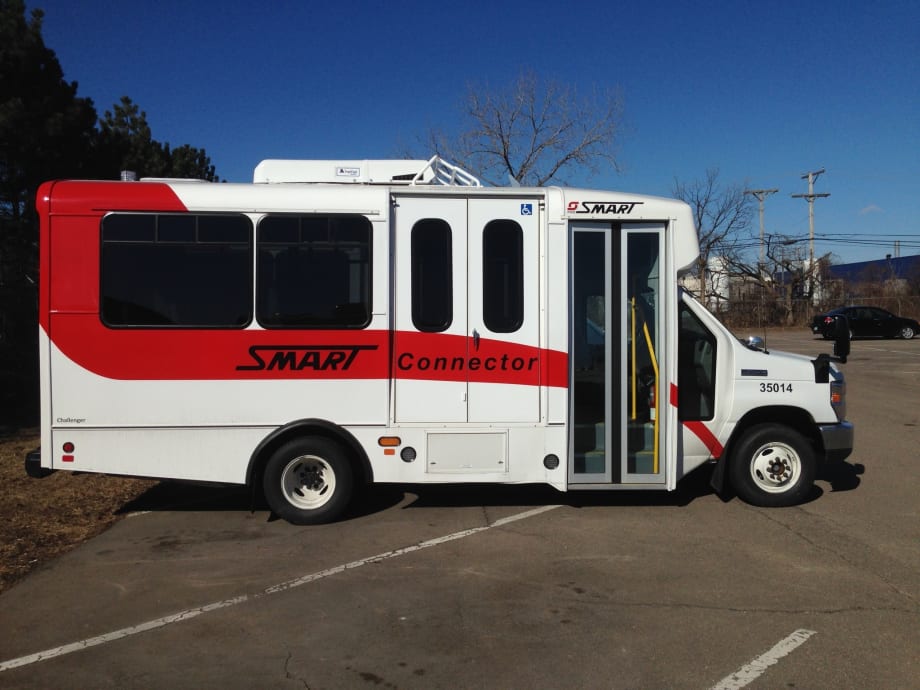
Detroit’s Suburban Mobility Authority for Regional Transportation (SMART) provides fixed-route and paratransit demand service for residents in southeast Michigan. SMART’s fleet consists of 233 fixed-route buses and 110 Connector buses covering 1,100 square miles.
In February, SMART began receiving delivery of 61 new vehicles for its Connector paratransit bus fleet. The Ford E-450 vehicles offer an advanced reservation, curb-to-curb service primarily for seniors and people with disabilities. But, they also offer something else different — they’re each equipped with a ROUSH CleanTech propane autogas fuel system.
Adding Autogas Buses
SMART began exploring alternative fuels to address several fleet issues. The agency’s goal was threefold: increase fuel efficiency, lower fuel costs, and find a solution to stringent and complicated emission controls with diesel-fueled paratransit buses.
“We are committed to responsibly and eco-consciously serving the communities in southeast Michigan,” said John C. Hertel, SMART’s GM. “SMART always looks for technology that will improve operations, lower costs, and preserve the environment in which we work, live and play.”
Saving with Autogas
Autogas is the term for propane when used in an on-road engine. The alternative fuel offers savings of about 40% less than gasoline and 50% less than diesel.
SMART is paying $1.15 per gallon for autogas as compared to recent prices of $2.88 for ultra-low-sulfur No. 2 diesel and $2.83 for gasoline.
SMART also chose autogas because, as a cleaner-burning fuel, oil changes and routine maintenance costs decrease. Other autogas fleets have seen extended vehicle life due to less wear and tear on engines.
Reducing Pollution
Another important factor for SMART was environmental considerations. Vehicles fueled by propane autogas emit up to 18% fewer greenhouse gases with 20% less nitrogen oxide, 60% less carbon monoxide and fewer particulate emissions than trucks fueled by gasoline.
Over the lifetime of SMART’s autogas-fueled fleet of 61 buses, approximately 11.4 million pounds of carbon dioxide will be reduced, significantly decreasing the agency’s carbon footprint.
Fueling Smart
SMART also considered infrastructure costs before choosing propane autogas. Autogas fueling stations are less expensive to install than any other fueling station — conventional or alternative. The agency is building fueling stations at each of its three bus terminals.
Planning for the Future
SMART used its annual federal funding apportionment to purchase the vehicles. ROUSH CleanTech completed the Federal Transit Administration’s (FTA) New Model Bus Testing Program (referred to as “Altoona Testing”) on a ROUSH CleanTech Ford E-450 vehicle fueled by propane autogas. This allows all agencies to apply for FTA funding to assist with conversion costs of that vehicle, including paratransit transportation. Within the next two years, or as more funding becomes available, the agency plans to add more clean-burning, domestically-fueled propane autogas paratransit buses to its fleet.
Todd Mouw is VP, sales and marketing, for ROUSH CleanTech. Reach him at todd.mouw@roush.com or 800-59-ROUSH. To learn more, visit ROUSHcleantech.com.
More Paratransit

Biz Briefs: RIPTA Unveils New Frontrunners, Clevland RTA Adds New Siemens, and More
In METRO's latest installment, we take a look at recent news from Siemens, Prevost, Dodge, and more partnerships making headlines across the transportation sector.
Read More →
King County Metro Makes ADA Paratransit Easier to Navigate
METRO's Innovative Solutions Award winner replaces complex service-area descriptions with an accessible, interactive map that puts paratransit information directly in customers’ hands.
Read More →
Jacksonville’s NAVI Project Charts a New Course for Autonomous Public Transportation
Through its NAVI program, JTA is showing how autonomous vehicles, intelligent infrastructure, and coordinated operations can work together to deliver everyday public transportation.
Read More →
Driving Smarter Paratransit
John Hanlon shares how AlphaRoute is leveraging AI-powered technology to help paratransit providers optimize operations, support frontline staff, and enhance the rider experience.
Read More →
METRO Magazine Announces 2026 Innovative Solutions Awards Winners
Projects Recognized for Advancing Mobility Through Technology, Accessibility, Workforce Innovation, and Operational Excellence
Read More →
Biz Briefs: STV teams with Amtrak, Motorcoach Operators Boost Fleet and Land Contracts, and More
From manufacturers and suppliers to transit agencies and motorcoach operators, these updates offer a snapshot of the projects, partnerships and business moves driving the industry forward.
Read More →
Biz Briefs: Masabi Teams with St. Louis Metro and More
In METRO's latest installment, we take a look at recent news from Transdev, Hitachi, and more partnerships making headlines across the transportation sector.
Read More →
New York MTA Leverages Zoning Program to Advance Station Accessibility
Accessibility enhancements at Nevins St Station will be financed through a development agreement tied to the MTA's Zoning for Accessibility initiative.
Read More →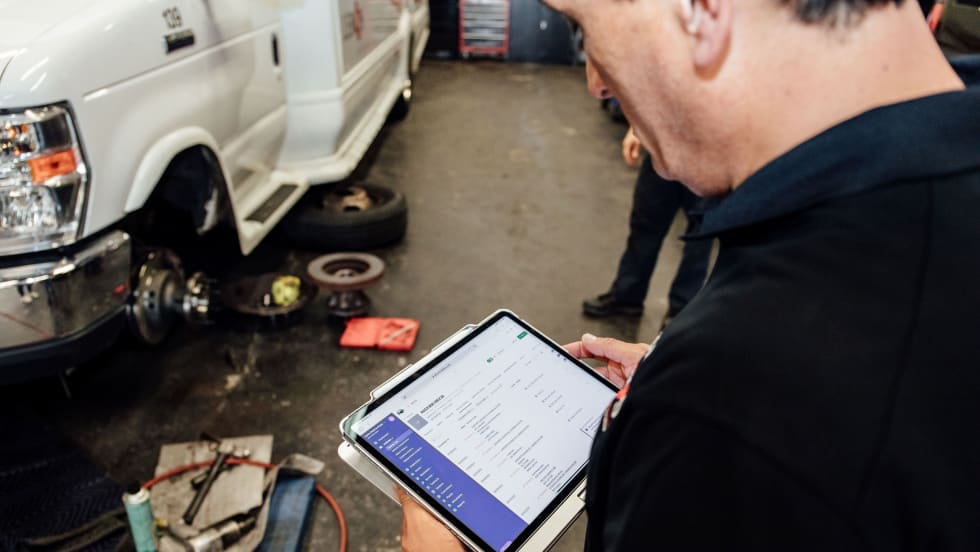
Reinventing Fleet Maintenance with Real-time Visibility and AI
Transit leaders need to know what needs fixing, where to look, who is responsible, when work is completed, and what it costs without having to chase information across disconnected systems.
Read More →
SamTrans Sets Priorities for Potential Connect Bay Area Revenue
The board-approved framework allocates future funding to maintaining service, rider improvements, equity initiatives, and infrastructure repairs.
Read More →