



East Coast transit systems shut down in wake of Hurricane Sandy
N.Y. MTA, NJ Transit and Maryland MTA all suspended service and track work for Monday. Agencies will assess system status and test critical infrastructure before making any decisions regarding the potential resumption of service.

As Hurricane Sandy strengthens, New York Metropolitan Transportation Authority’s Metro-North Railroad suspended service. Its last trains on all lines departed at approximately 7 p.m. Sunday evening, allowing customers to safely reach their final destinations.
The Metro-North suspension also will affect all service on Amtrak’s Northeast Corridor, which operates on Metro-North’s New Haven Line from New Rochelle to New Haven.
Service also will be suspended on Metro-North’s Port Jervis Line west of the Hudson River. Pascack Valley line service will be determined by NJ Transit.
Grand Central Terminal, including its shops and restaurants, and all outlying Metro-North station buildings will be closed for the duration of the service suspension.
In preparation for the brunt of the storm, train equipment will be moved out of low-lying locations known to be prone to flooding, such as the east end of the yard in New Haven and Highbridge and Mott Haven yards in the Bronx.
As the storm approaches, Metro-North has secured its infrastructure by moving trucks, and equipment such as backhoes, cranes and bulldozers, to higher ground. This includes bringing trains into Grand Central Terminal for shelter.
In addition, the wooden crossing gates at grade crossings, which are susceptible to high winds, will been removed and secured. However, people should be aware that work trains and patrol trains may still be operating and approach all grade crossings with caution.
Also, a service suspension does not mean that power will be off to the third rail or overhead catenary wires on the New Haven Line. All tracks and wires will remain energized.
All routine track work and capital construction work has been suspended and all construction sites have been secured.
Parking lots that usually flood, such as the ones at White Plains and Beacon’s riverside lot, are barricaded. Connecting ferry service at Beacon and Ossining is suspended. The Hudson RailLink that serves Spuyten Duyvil and Riverdale is suspended.
Metro-North also is taking steps to put personnel and equipment in place to be ready to deal with the cleanup after the worst of the storm has passed.
Many employees have been asked to shelter at a Metro-North shop or facility so they can start helping restore services as soon as the storm has passed. If the railroad did not ask for this extraordinary sacrifice, many employees would be unable to report for duty because of trees down, roads blocked or flooded, power outages and other problems likely to arise.
Meanwhile, NJ Transit implemented a gradual system-wide shutdown of all bus, rail, light rail and Access Link service, starting at 4:00 p.m. Sunday evening, continuing through 2:00 a.m. on Monday morning.
The Atlantic City Rail Line will suspend operations effective at 4:00 p.m. due to the rapidly declining weather conditions within the region and the continued evacuation of Atlantic City.
“NJ Transit’s top priority is, has been and will continue to be the safety of our customers, our employees and the citizens of the Garden State”, said NJ Transit Board Chairman and New Jersey Department of Transportation Commissioner James Simpson. “This prudent and necessary action will enable NJ Transit to further support our state’s response to Hurricane Sandy; freeing up resources that may be needed to further facilitate hurricane relief.”
The suspension of NJ Transit service will require a minimum of 12 hours to complete. The process requires the relocation and securing of buses, rail equipment and other NJ Transit assets away from flood-prone areas. It also requires complete coordination with state and local officials throughout the process.
“NJ Transit customers should begin to prepare for the possible, sustained interruption of service” said NJ Transit Executive Director James Weinstein. “This is a dangerous and destructive hurricane with the potential to cause large-scale power losses, wind damage and both coastal and river flooding — all of which will impact NJ Transit service during and after the storm.”
During Hurricane Irene, NJ Transit implemented a full-scale system shutdown spanning nearly 36 hours. This decision is credited with saving billions in agency assets, which enabled NJ Transit to restart service with all equipment available for use. Additionally, no customer or employee injuries were reported during this time.
Following the conclusion of the storm, NJ Transit will assess the status of the system and test critical infrastructure before making any decisions regarding the potential resumption of service. Updates will be provided to customers and the public during this time.
Additionally, the Maryland Transit Administration (MTA) will temporarily suspend all service for Oct. 29 due to Hurricane Sandy. Mobility medical only will operate until 3 p.m. and then discontinue service.
The decision to suspend the service was based on the latest forecast from the National Weather Service, which includes sustained winds of 30 to 55 mph in the Baltimore-Washington, D.C. region, and hurricane-force wind gusts of 60 to 70 mph. Such severe weather over a prolonged period threatens the safe operation of service, and passengers and employees.
MTA will consult with Amtrak and CSX on MARC service for Oct. 30. A decision will be made by 8:00 p.m. on Monday for both MARC and Commuter Bus service.
MTA management will assess the weather conditions Monday to determine when it is safe for other modes to resume service.
To read The Atlantic Cities' reporting on the transportation systems' shutdown, click here.
More Bus

Castro to Lead RTC of Southern Nevada and More in People Movement
In this edition, we also cover recent appointments and announcements at the STV, MCI, and more, showcasing the individuals helping to shape the future of transportation.
Read More →
Study: Denver RTD Generates $2.1 Billion in Annual Economic Activity
An economic impact study finds the agency supports approximately 17,500 jobs, delivers $1.6 billion in annual community and mobility benefits, and generates $2.42 in economic value for every dollar invested.
Read More →
Mark Aesch Nominated to Lead Federal Transit Administration
The former Rochester transit chief and TransPro founder, who has also contributed to METRO Magazine, brings decades of industry experience and a focus on performance, accountability, and financial sustainability to the nomination.
Read More →
Pierce Transit Moves to Expand Fleet Following Proposition 1 Approval
The agency authorized the purchase or refurbishment of up to 60 buses to support a 47% service expansion, as voters nationwide approved billions in new transit funding.
Read More →
Transit Expands Agency Partnerships, Reaching 200 Official App Partners
COO Jake Sion discusses Transit’s growth, the success of its Transit Royale program, and how technology is helping agencies improve the rider experience.
Read More →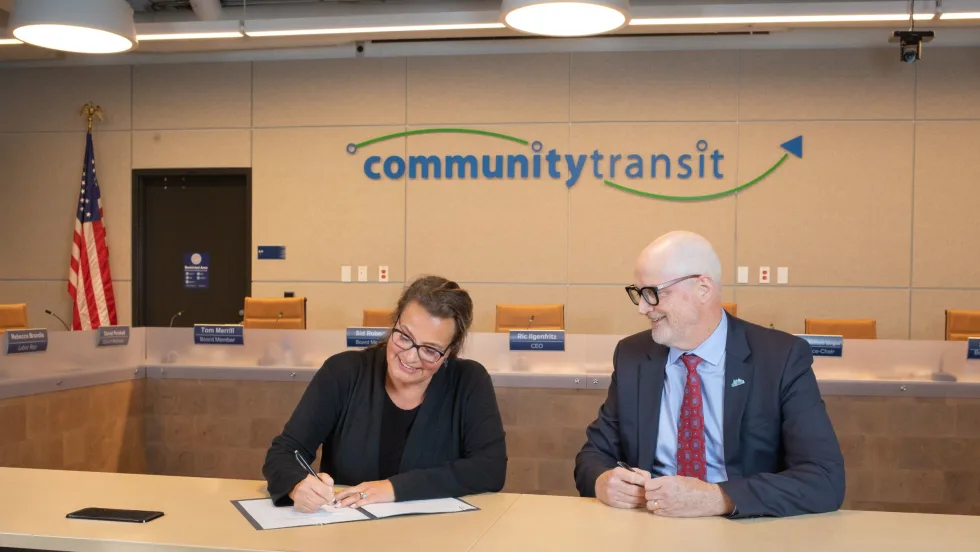
Everett Transit, Community Transit Approve Consolidation of Services
The agreement will bring Everett Transit into Community Transit’s network in April 2027, with plans to increase bus service by 50% by 2031 and expand regional connections.
Read More →
Brian Dickson on Building Stronger, More Resilient Transportation Organizations
Bus Business Consultants Founder Brian Dickson discusses the leadership principles, operational discipline, and strategic planning that separate transportation companies positioned for long-term success from those stuck in survival mode.
Read More →
LA Metro Breaks Ground on Vermont BRT Project
The 12.4-mile corridor is projected to serve 66,200 daily riders, reduce travel times by up to 24%, and create the nation's busiest bus rapid transit corridor.
Read More →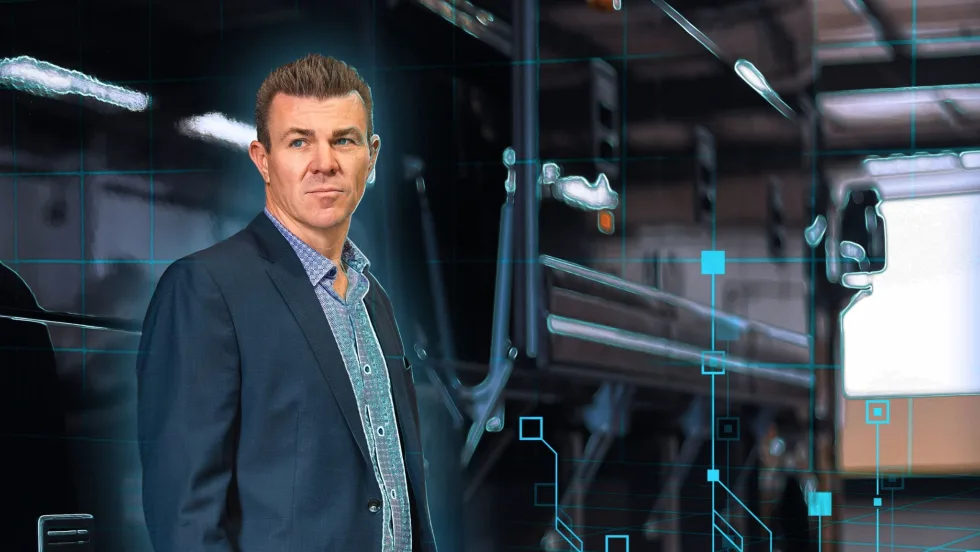
Roman Cornell on ABC Companies’ Evolution and the Future of Passenger Transportation
The company’s CEO discusses carrying forward a third-generation family legacy, ABC’s continued evolution in passenger transportation, support for increasingly complex fleets, and how technology and continued investment could help operators improve uptime.
Read More →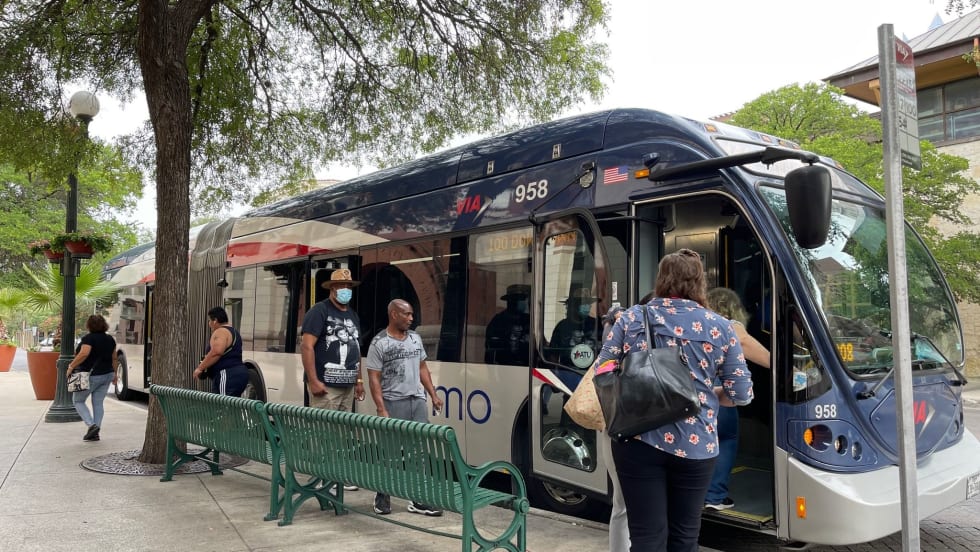
VIA Bus Ridership Grows 10.1% Through August 2026
San Antonio's VIA Metropolitan Transit reported the highest bus ridership growth among major Texas transit systems. Federal Transit Administration data ranked it second among the nation's 50 largest transit systems.
Read More →