



GCRTA Becomes First Transit Authority to Sign 'The Hispanic Promise'
Equity/Infrastructure Project Launches With Major Support
Through its pledge, EIP will work to secure commitments from public agencies to increase the number, size, and scope of contracts going to HUBs.
by Staff
April 27, 2022
EIP was founded by Denver International Airport CEO Phillip A. Washington, former US Deputy Secretary of Transportation John D. Porcari, and others in anticipation of the $1.2 trillion Infrastructure Investment and Jobs Act.
Photo:
2 min to read
The Equity in Infrastructure Project (EIP) has launched to improve public contracting practices by creating more opportunities for Historically Underutilized Businesses (HUBs) to build generational wealth and reduce the racial wealth gap by creating more prime, joint venture, and equity contracting opportunities for these firms.
Through its pledge, EIP said it will work to secure commitments from public agencies to increase the number, size, and scope of contracts going to HUBs by facilitating access and reducing barriers to compete for business.
EIP defines HUBs as including firms formally designated as DBEs, Minority and Women-Owned Business Enterprises (M/WBE), Small Business Enterprises (SBE), as well as any other business classification used locally in the U.S. intended to increase the participation of underutilized firms, which can vary by state, region, and municipality.
EIP was founded by Denver International Airport CEO Phillip A. Washington, former US Deputy Secretary of Transportation John D. Porcari, and others in anticipation of the $1.2 trillion Infrastructure Investment and Jobs Act.
EIP launches with the following First Mover signers of its pledge:
Chicago Transit Authority – Dorval R. Carter, Jr., President
Denver International Airport – Phillip A. Washington, CEO
Port of Long Beach – Mario Cordero, Executive Director
Metropolitan Water District of Southern California – Adel H. Hagekhalil, General Manager
Southeastern Pennsylvania Transportation Authority (SEPTA) – Leslie S. Richards, General Manager and CEO
The pledge was finalized after the above five leaders gathered in Washington, D.C. in December 2021 alongside senior leaders from the public, private, and philanthropic sectors, including representatives from USDOT, the Environmental Protection Agency, HNTB, AECOM, The James Irvine Foundation, members of Congress, and others to work with this initiative.
Starting from the baseline of their current actions and initiatives, by December 2025, pledge signers will work to increase the number, size, and percentage of HUBs growing to prime contractors, participating in joint ventures or as equity participants.
More Management
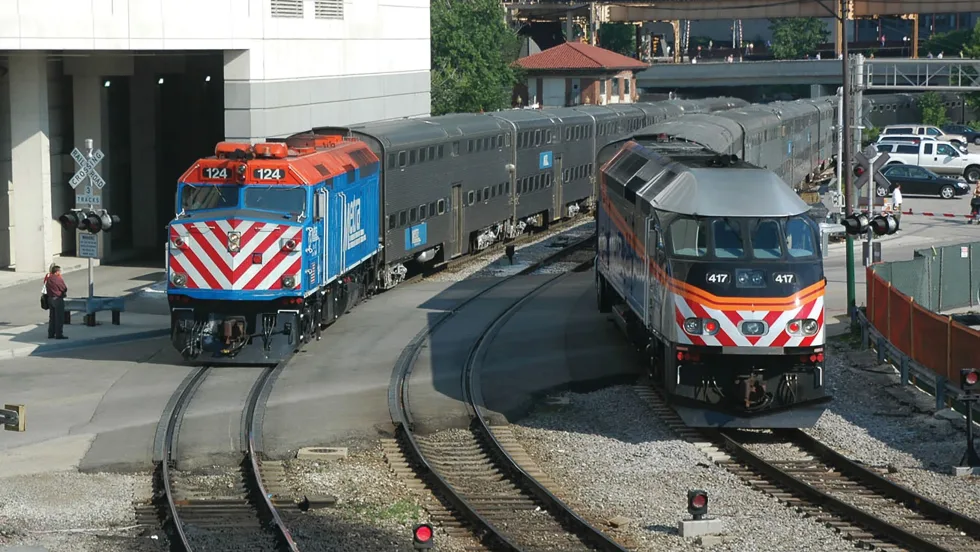
Metra Draft Plan Outlines Costs, Service Improvements for Regional Rail
The Systemwide Network Plan identifies infrastructure needs and potential investments to expand all-day, bidirectional rail service across the Chicago region.
Read More →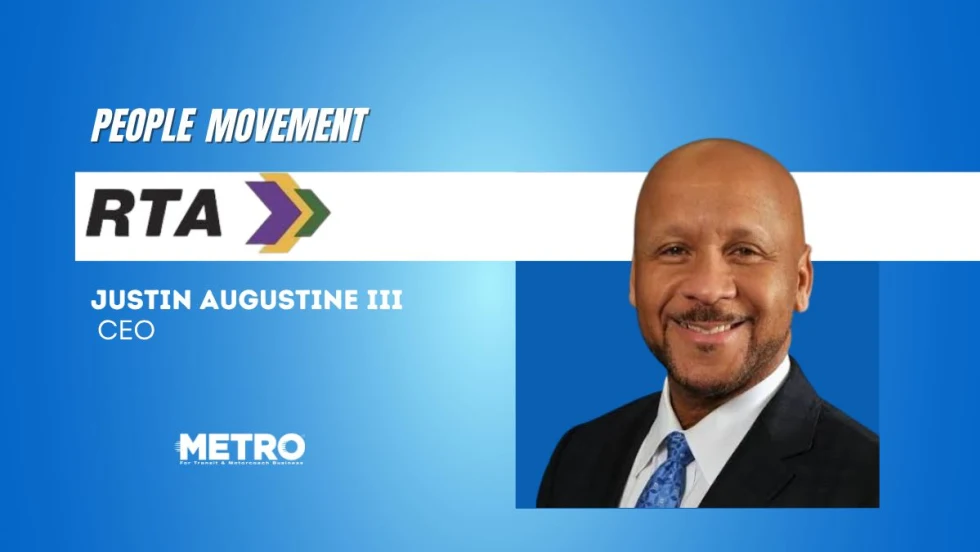
New Orleans RTA Names Augustine III as New CEO
In this edition, we also spotlight recent personnel moves at HDR, PATH, STV, and more, highlighting the people taking on new roles across the transportation industry.
Read More →
How Transit Agencies Are Using Free Rides to Improve Voting Access
Transit agencies are using fare-free service, trip-planning tools, and targeted rides to improve voting access. See what other agencies can learn from these efforts.
Read More →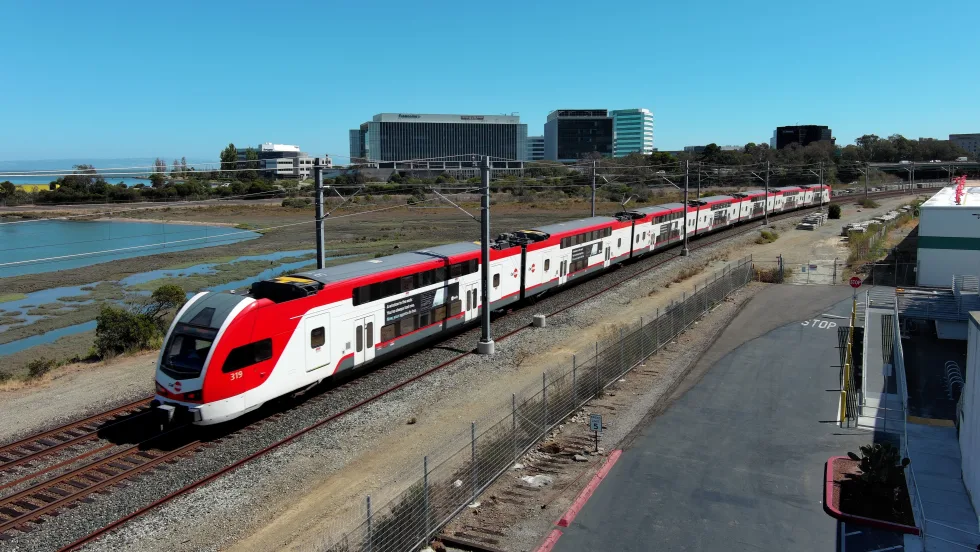
Caltrain’s Electrification Drives a New Era of Ridership Growth
The railroad’s shift to electric service has brought more frequent trains, stronger customer satisfaction, and increased ridership, earning it APTA’s Outstanding Public Transportation System award.
Read More →
Chicago, Charlotte Transit Agencies Expand Rider Support Programs
CTA launched crisis intervention teams as CATS prepares to deploy fare ambassadors, expanding customer assistance and security efforts across both systems.
Read More →
New York MTA Launches Historic $1.9B Signal, Track Modernization Project
Funded in part by congestion pricing revenue, the project will replace nearly century-old signals along the A and C lines in Brooklyn and Queens.
Read More →
Brian Dickson on Building Stronger, More Resilient Transportation Organizations
Bus Business Consultants Founder Brian Dickson discusses the leadership principles, operational discipline, and strategic planning that separate transportation companies positioned for long-term success from those stuck in survival mode.
Read More →
LA Metro Breaks Ground on Vermont BRT Project
The 12.4-mile corridor is projected to serve 66,200 daily riders, reduce travel times by up to 24%, and create the nation's busiest bus rapid transit corridor.
Read More →
Building Stronger Leaders, More Resilient Transit Teams
Dr. Carol Parker Walsh discusses leadership development, employee retention, workplace culture, and preparing transit’s workforce for AI and automation.
Read More →
Roman Cornell on ABC Companies’ Evolution and the Future of Passenger Transportation
The company’s CEO discusses carrying forward a third-generation family legacy, ABC’s continued evolution in passenger transportation, support for increasingly complex fleets, and how technology and continued investment could help operators improve uptime.
Read More →