




RELATED: FlixBus considers U.S. expansion
Europe's FlixBus to pilot electric buses on long-distance routes
Beginning in April, the first all-electric Flix-E-Buses will begin test operations with the premiere route between Paris and Amiens, France. The second Flix-E-Bus will hit the road between Hessen and Baden-Württemberg, Germany, in Summer 2018.
March 13, 2018
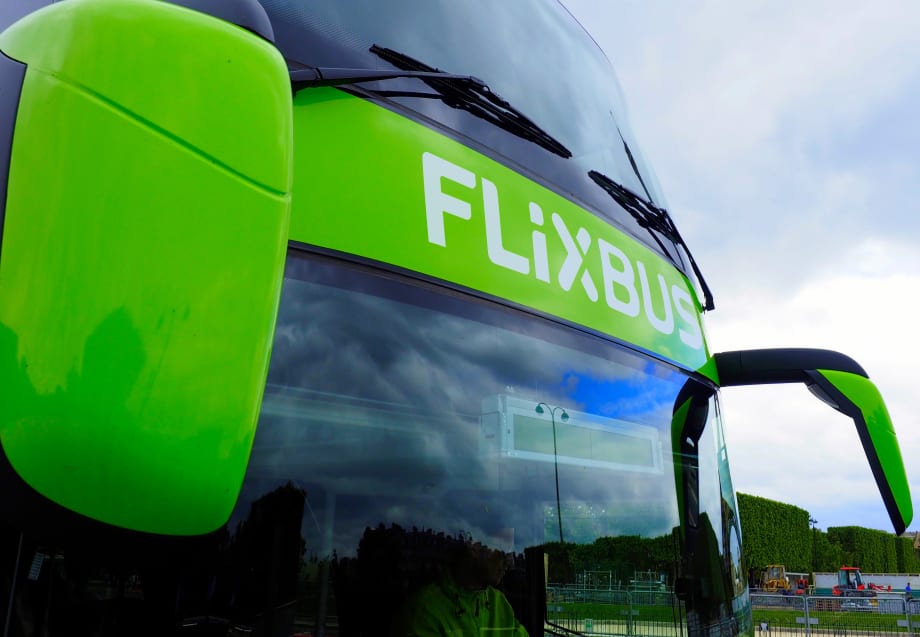
In addition to international lines, approximately 140 new destinations will be added in German-speaking countries alone, with further connections planned across the 26 other markets in which FlixBus currently operates.
FlixBus
2 min to read
In addition to international lines, approximately 140 new destinations will be added in German-speaking countries alone, with further connections planned across the 26 other markets in which FlixBus currently operates.
FlixBus
FlixBus, Europe’s largest long-distance mobility provider, is now investing in E-Mobility as the first company in the world to test E-Buses on their long-distance bus routes. Beginning in April, the first all-electric Flix-E-Buses will begin test operations with the premiere route between Paris and Amiens, France. The second Flix-E-Bus will hit the road between Hessen and Baden-Württemberg, Germany, in Summer 2018 as part of the German domestic network expansion for summer travelers.
"We want to help shape the future of mobility. Although e-buses are currently much more expensive to buy, we are convinced that this will be a worthwhile investment in the long run, for our company, our customers, and the environment,” said André Schwämmlein, founder/CEO of FlixBus. “As a provider, we are demonstrating that this is a potential turning point in mobility. Likewise, the first all-electric long-distance bus is a signal to bus manufacturers to drive innovation and develop alternatives to pure diesel vehicles. Sustainable mobility is not only about driving business but is also about the social and environmental aspects of traveling."
The long-distance bus is one of the most environmentally-friendly modes of transportation available today, thanks to a modern fleet and the ability to fill large capacities within each vehicle. People who choose bus over car for longer routes reduce their CO2 emissions by 80%.
“The current trend is moving away from private car travel and towards shared mobility options such as buses,” said Schwämmlein. “FlixBus is proud to be a pioneer in helping to propel this change and reliance on transportation with fossil fuels by providing some of the most climate-friendly mobility options in Europe.”
FlixBus will continue to invest in grid expansion in the coming months. In addition to international lines, approximately 140 new destinations will be added in German-speaking countries alone, with further connections planned across the 26 other markets in which FlixBus currently operates.
To fulfill the company mission of providing smart and green mobility for everyone to experience the world, FlixMobility is preparing for two major milestones with the launch of FlixTrain, the first long-distance green train, on March 23 in Germany and the launch of FlixBus USA beginning in Los Angeles in Spring 2018.
More Technology

From Hardware to Digital Partner: Luminator Charts Its Next Chapter
CEO Magnus Friberg discusses Luminator’s shift toward becoming a digital partner, the growing importance of software and interoperability, and how AI can help agencies improve operations and passenger experience.
Read More →
Beyond the Checklist: A Structured Approach to Transit Maintenance
Reliability-Centered Maintenance helps transit agencies move beyond routine checklists to focus limited resources on the assets and failures that have the greatest impact on safety, reliability, and service.
Read More →
NJ TRANSIT Advances Bus Technology Upgrades Across Statewide Fleet
More than 1,500 buses now feature upgraded technology designed to improve arrival predictions and provide free Wi-Fi, with deployment expected to reach nearly 2,000 buses by the end of 2026.
Read More →

Building a Flexible Path to Transit Electrification
John Hroncich discusses BAE Systems’ modular and scalable approach, lessons learned from decades of real-world operations, and how agencies can identify electrification strategies that fit their fleets.
Read More →
Biz Briefs: Alstom Lands Canadian Contract, LYT to Supply California TSP, and More
In METRO's latest installment, we take a look at recent news from Complete Coach Works, Beep, FlixBus, and more partnerships making headlines across the transportation sector.
Read More →
Sponsored•September 8, 2026
From Legacy Silos to Conversational Intelligence
What if transit leaders could ask any operational question and get a trusted answer in seconds? Conversational AI is transforming how agencies use their data.
Read More →
USDOT Announces Rail Vehicle Replacement Grants, Chattanooga AV Shuttle Funding
More than $191 million in federal funding will help three transit agencies replace aging rail vehicles and support a new autonomous shuttle service in Chattanooga.
Read More →
Bus Tech Talk: Keeping Transit Technicians Ahead of the Technology Curve
LA Metro’s Obed Mejia discusses technician training, evolving maintenance technology, fleet replacement, and strategies for getting the most out of today’s transit fleets.
Read More →
Biz Briefs: RIPTA Unveils New Frontrunners, Clevland RTA Adds New Siemens, and More
In METRO's latest installment, we take a look at recent news from Siemens, Prevost, Dodge, and more partnerships making headlines across the transportation sector.
Read More →
Why Simulating Pedestrian Movement Has Become Essential for Modern Rail Stations
Pedestrian microsimulation is helping rail planners identify bottlenecks, test station designs, and prepare complex transit hubs for growing passenger volumes.
Read More →