




Miss This? USDOT Reboots Key Bridge Contract, Expands Infrastructure Funding Nationwide
Federal Railroad Administration Finalizes Rail Rules Aimed at Efficiency and Safety
See what deregulatory rail rules were finalized to reduce outdated requirements, support innovation, and streamline rail operations without compromising safety.
May 13, 2026
According to the FRA, the rules stem from a deregulatory package first published on July 1, 2025, that sought to eliminate redundant, decades-old requirements while codifying longstanding FRA Safety Board waivers.
Credit:
Tom Fisk/METRO
1 min to read
The Federal Railroad Administration (FRA) finalized 11 deregulatory rules aimed at modernizing rail operations, reducing outdated requirements, and supporting rail safety and innovation, according to an announcement from the U.S. Transportation Department.
The action removes more than 1,000 words from the Federal Register and marks the latest effort by the Trump Administration to reduce federal regulations affecting the rail industry.
“These critical updates will enhance safety, support our great rail workforce, and enable the next wave of innovative technologies on our tracks,” said U.S. Transportation Secretary Sean Duffy.
According to the FRA, the rules stem from a deregulatory package first published on July 1, 2025, that sought to eliminate redundant, decades-old requirements while codifying longstanding FRA Safety Board waivers.
The finalized actions include removing stenciling requirements for certain tourist and historic railroad freight cars, allowing electronic posting of injury and occupational illness records, and updating enforcement procedures to permit electronic service and clarify FRA enforcement discretion.
The package also codifies longstanding waivers related to locomotive engineer and conductor certification requirements for railroads participating in the FRA-sponsored Confidential Close Call Reporting System program.
In addition, FRA revised the definition of a non-traversable curb in its train horn regulation, allowing highway speeds up to 45 mph when a curb is installed.
More Rail

ENC Lands MATA Contract and More in Biz Briefs
In this edition of Biz Briefs, we spotlight the latest developments shaping the future of mobility.
Read More →
Strada360’s Steve Lassey on Turning Transit Data Into Better Decisions
From breaking down data silos to preparing for AI, Strada360 CEO Steve Lassey discusses how transit agencies can use technology to improve operations, customer information, and long-term decision-making.
Read More →
SEPTA Details Accelerate Vision for Transit System
The plan outlines investments in trolley modernization, new Metro and Regional Rail vehicles, accessible stations, and more frequent bus and rail service.
Read More →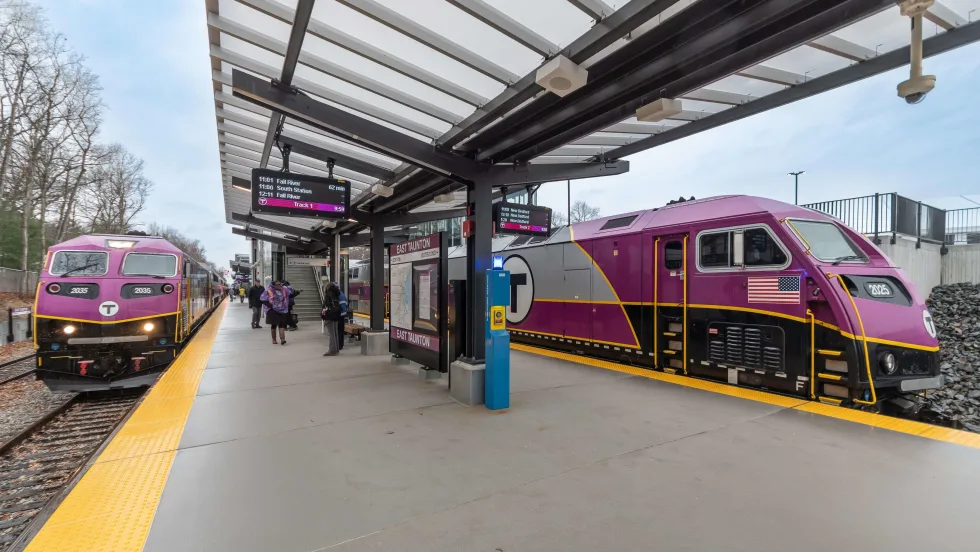
FTA Ends Direct Oversight of MBTA Safety Actions
The federal agency closed its remaining special directive to the Massachusetts Department of Public Utilities following a safety review that began in 2022.
Read More →
Amtrak, CN Reach Agreements to Strengthen Passenger Rail Service, Safety
The agreement resolves a more than decade-long proceeding before the Surface Transportation Board concerning the terms and conditions for Amtrak services, such as the City of New Orleans, Illini/Saluki, and Wolverine.
Read More →
New York MTA Advances Final Contract for Second Avenue Subway Expansion
Contract Four is the largest in the Second Avenue Subway Phase 2 project and includes construction of station infrastructure, tracks, and signals for the subway expansion, MTA officials said. Work on Contract Four will begin in 2027.
Read More →
San Diego MTS Breaks Monthly Trolley Ridership Record
Agency officials said July’s ridership indicates MTS’s continued recovery from the pandemic.
Read More →
Report Examines NJ TRANSIT Reliability, Funding Challenges
The Garden State Initiative analysis examines the roles of Amtrak infrastructure, fleet management, and agency operations while recommending a more performance-based approach to improving reliability.
Read More →
Stadler, CapMetro Sign Long-Term Rail Fleet Support Agreement
Beginning in 2027, Stadler will provide on-site technical expertise, spare parts support, training, and obsolescence management to help extend the reliability and longevity of CapMetro’s GTW fleet.
Read More →
Biz Briefs: Alstom Lands Canadian Contract, LYT to Supply California TSP, and More
In METRO's latest installment, we take a look at recent news from Complete Coach Works, Beep, FlixBus, and more partnerships making headlines across the transportation sector.
Read More →