




RELATED: Process to transfer D.C. rail safety oversight unveiled
Florida, New Jersey, New York meet rail safety oversight deadline
States must receive FTA certification by April 15, 2019 or new federal transit funds cannot be awarded.
February 28, 2019
States with rail systems must receive FTA certification by April 15, 2019 or new federal transit funds cannot be awarded.
2 min to read
States with rail systems must receive FTA certification by April 15, 2019 or new federal transit funds cannot be awarded.
The Federal Transit Administration (FTA) announced Florida, New Jersey, and New York have obtained federal certification of their rail transit State Safety Oversight (SSO) Programs, in advance of an important safety deadline.
Federal law requires states with rail transit systems to obtain FTA certification of their SSO Programs by April 15, 2019. By federal law, the deadline cannot be waived or extended.
The Florida Department of Transportation is responsible for providing safety oversight of the Miami-Dade Transit Metrorail and Metromover systems, the Hillsborough Area Regional Transit Authority TECO Line streetcar system, and the Jacksonville Transportation Authority Skyway system.
The New Jersey Department of Transportation (NJDOT) is responsible for providing safety oversight of three New Jersey Transit properties: the Riverline hybrid-rail system, the Hudson-Bergen light rail system, and the Newark City light rail system. NJDOT is also responsible for the safety oversight of the Port Authority Transit Corporation Speedline heavy-rail system (jointly owned by New Jersey and Pennsylvania).
The New York Public Transportation Safety Board is responsible for providing safety oversight of the Metropolitan Transportation Authority (MTA) New York City Transit heavy rail system and the Niagara Frontier Transportation Authority Metro Rail light rail system.
By April 15, 2019, 30 states must obtain certification of 31 SSO Programs. With today’s announcement, 30 states have now achieved 30 SSO Program certifications.
If a state fails to meet the deadline, FTA is prohibited by law from awarding any new federal transit funds to transit agencies within the state until certification is achieved.
To achieve FTA certification, a SSO Program must meet several federal statutory requirements, including establishing a SSO agency that is financially and legally independent from the rail transit agencies it oversees.
In addition, a state must ensure that its SSO agency adopts and enforces relevant federal and state safety laws, has investigatory authority, and has appropriate financial and human resources for the number, size and complexity of the rail transit systems within the state’s jurisdiction.
Furthermore, SSO agency personnel responsible for performing safety oversight activities must be appropriately trained.
More Security and Safety

Transit Agencies Highlight Safety Gains at National Summit
Leaders from 15 major transit systems shared crime-reduction results and safety initiatives while discussing the role of continued federal support.
Read More →
DART Launches Major Security, Fare Enforcement Initiative
The 90-day demonstration will deploy coordinated security teams at five light rail stations while testing controlled access and gathering data to guide future investments.
Read More →
RTD Launches NextRide App to Consolidate Trip Planning, Fares, Security Reporting
The app expands on RTD’s existing NextRide web application and allows customers to view real-time vehicle locations and service alerts, purchase and store digital fares, and access customer support.
Read More →
TAPTCO Updates OSHA Compliance Training for Transit Maintenance Operations
The revamped program addresses 26 OSHA standards for maintenance facilities, with TAPTCO pointing to training, documentation, and everyday shop hazards as continuing challenges for transit operations.
Read More →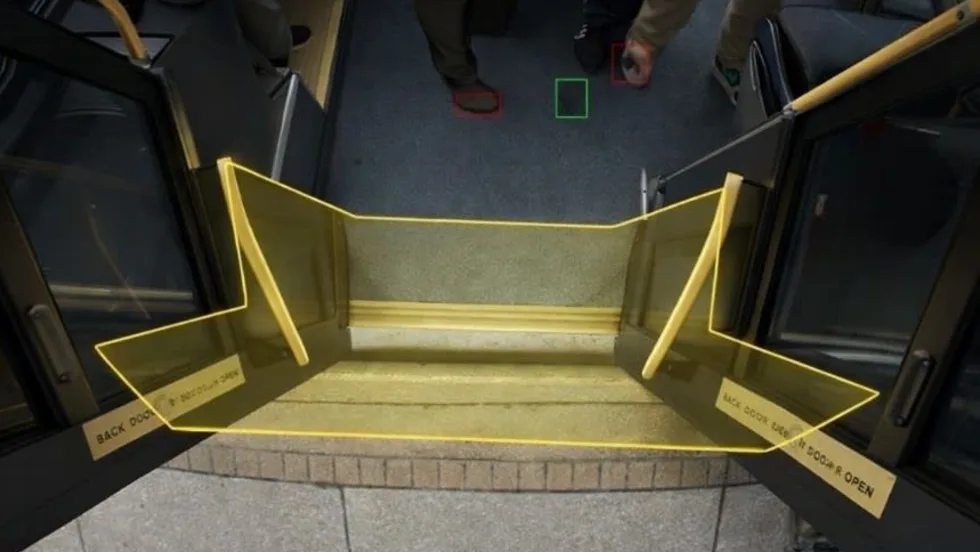
Sponsored•August 18, 2026
How VaporVision Adds Value to Transit Door Systems
Wabtec engineers explain how the system improves doorway detection, strengthens diagnostics and gives transit agencies and OEMs greater operating flexibility.
Read More →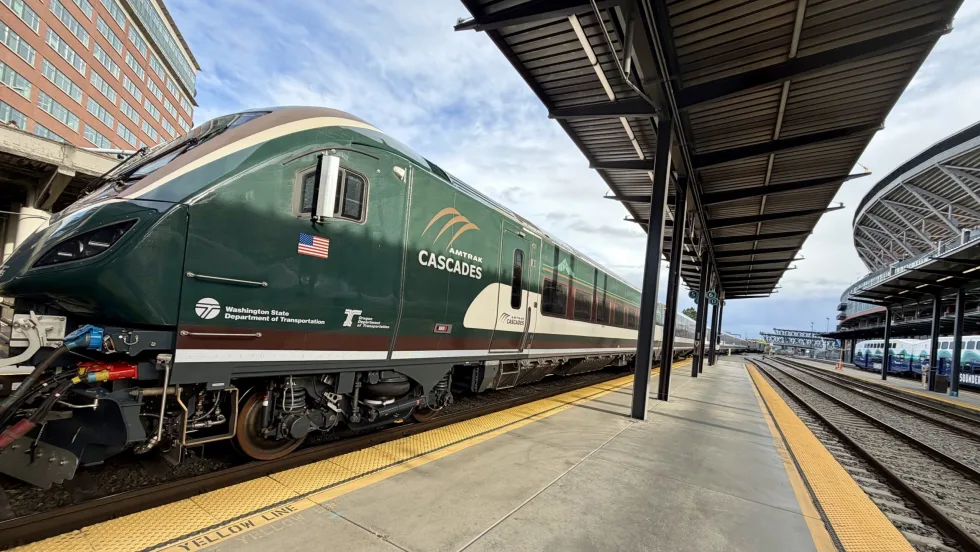
FRA Announces $5.3B in Rail Investments, Including $2B for Amtrak
Funding will support grade-crossing improvements, infrastructure upgrades, and new Amtrak equipment in 23 states.
Read More →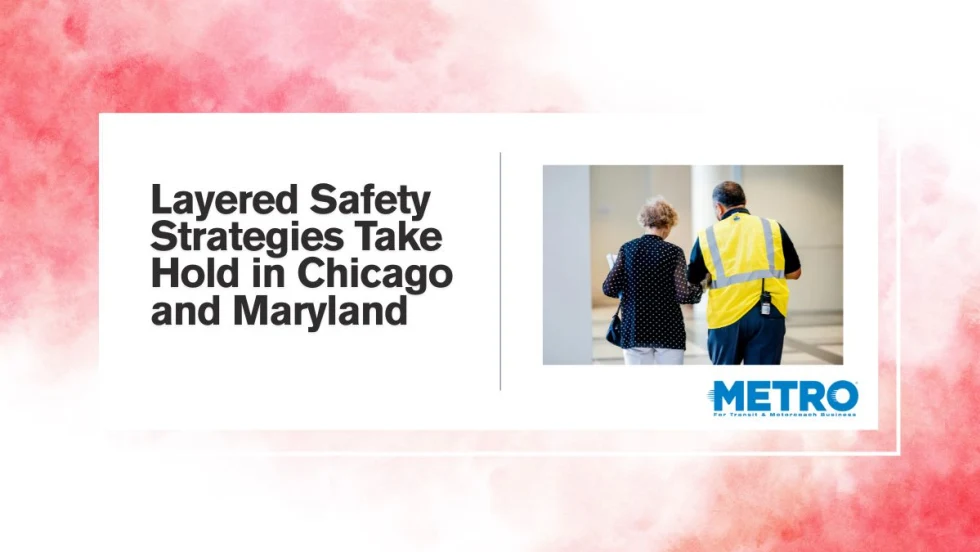
Chicago, Maryland Expand Non-Law-Enforcement Safety, Rider Support
The CTA and MTA are launching new programs aimed at de-escalation, crisis response, rider assistance, and greater transparency.
Read More →
LA Metro, City of West Hollywood, and Partners Advance Smarter Bus Lane Enforcement
The award-winning partnership combines AI-powered detection with human oversight to improve bus reliability, accessibility, and enforcement efficiency.
Read More →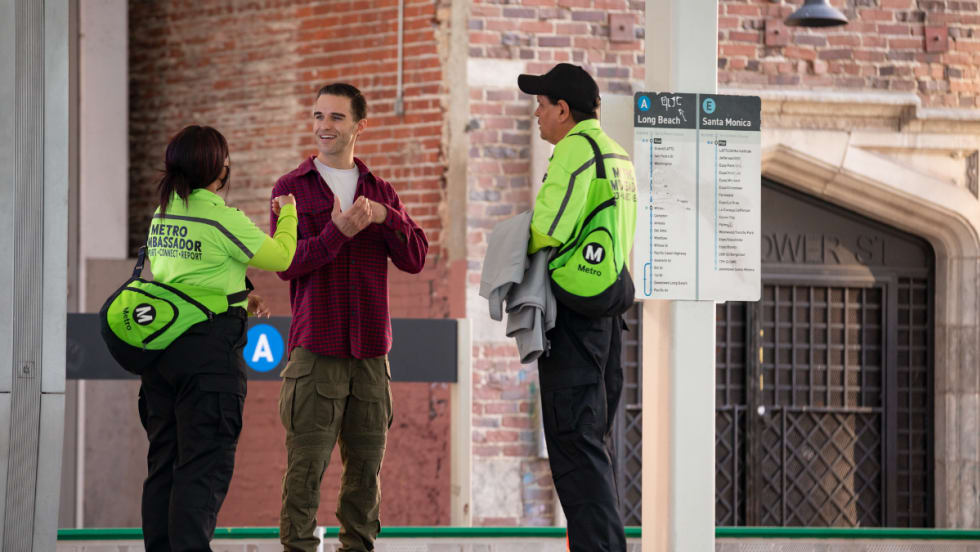
LA Metro Reports 57% Decline in Homelessness on Transit System Since 2024
The agency's latest homelessness count offers new data on how care-based services and cross-sector partnerships can complement traditional transit security strategies.
Read More →
FTA Launches 'Transit Moves America' Dashboard to Highlight Agency Safety and Performance
The online dashboard transforms National Transit Database information into a public-facing resource that allows users to compare transit agencies on key operational and safety metrics.
Read More →