



Florida study uses smart cards for various services
This is the first study in the nation that involves a toll, transit and parking agency using multiple applications in one payment method and processing all transactions through a single source.

The Orlando Regional Alliance for Next Generation Electronic payment Systems (ORANGES), an experimental effort through the Orlando-Orange County Expressway, LYNX and the City of Orlando Parking Bureau, will be unveiled in the coming weeks in Central Florida. ORANGES, sponsored by the Federal Transit Administration, uses smart card technology, which allows one method of payment for tolls, bus fare and parking garages. The experiment will undergo several phases of testing to determine its potential long-term viability for commuters. The first phase, which is nearing completion, consists of testing the system in a laboratory setting to ensure the technology works before installing it for public use. During the second phase, set to begin in July, approximately 1,000 volunteers will use an ORANGES smart card at designated locations to pay for parking, tolls and bus fare. ORANGES is the first study in the nation that involves a toll, transit and parking agency using multiple applications in one payment method and processing all transactions through a single source. For more information on the study, visit the ORANGES Website at www.centstobits.com
More Management

Building Stronger Leaders, More Resilient Transit Teams
Dr. Carol Parker Walsh discusses leadership development, employee retention, workplace culture, and preparing transit’s workforce for AI and automation.
Read More →
Roman Cornell on ABC Companies’ Evolution and the Future of Passenger Transportation
The company’s CEO discusses carrying forward a third-generation family legacy, ABC’s continued evolution in passenger transportation, support for increasingly complex fleets, and how technology and continued investment could help operators improve uptime.
Read More →
CATS Launches West Charlotte Microtransit Zone, Expands Transit Services
The new microtransit zone connects residents to key destinations as Charlotte Area Transit System rolls out the first phase of its 2055 Transit System Plan.
Read More →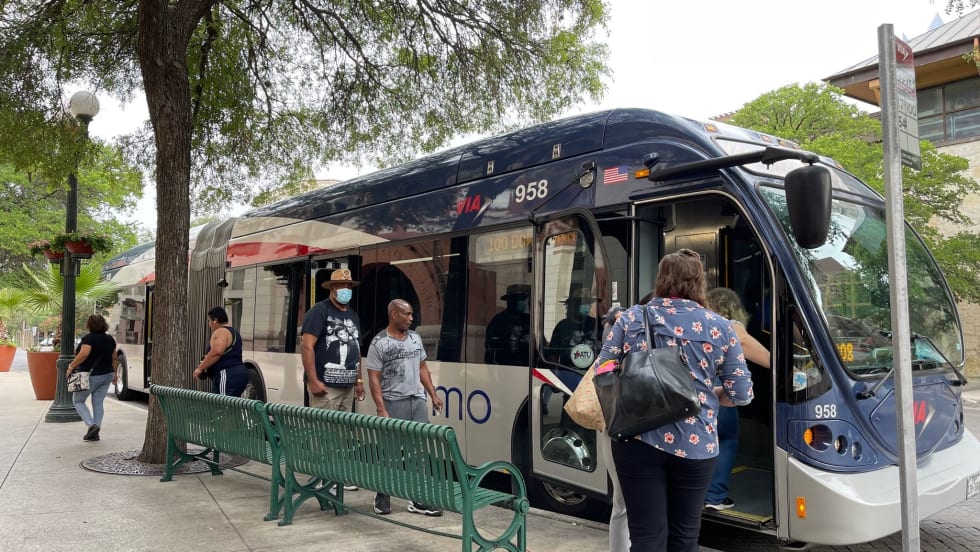
VIA Bus Ridership Grows 10.1% Through August 2026
San Antonio's VIA Metropolitan Transit reported the highest bus ridership growth among major Texas transit systems. Federal Transit Administration data ranked it second among the nation's 50 largest transit systems.
Read More →
CSA Group Releases Climate Resilience Standard for Transit, Passenger Rail
Developed with support from the Standards Council of Canada, CSA D700 guides assessing climate-related risks and planning adaptation measures for transit and passenger rail systems.
Read More →
ETA CEO John Maglio on Transit Technology, Innovation, and Building Agency Trust
ETA founder and CEO John Maglio explores the evolution of transit technology, the importance of reliable systems, and how stronger partnerships can help agencies improve operations and the passenger experience.
Read More →
COTA Launches First Customer Experience Action Plan to Improve Transit Service
The new plan outlines improvements to service reliability, accessibility, communication, and the overall rider experience across Central Ohio's transit system.
Read More →
LA Metro September Ridership Climbs 3.9%, Led by Rail Growth
The agency recorded more than 27.2 million boardings, with rail ridership increasing 12.4% year over year and the D Line posting the largest gains.
Read More →
Utilimarc Launches SmartReplace to Optimize Fleet Replacement Decisions
AI-powered SmartReplace helps fleets prioritize vehicle replacements, model budget scenarios, and build more defensible long-term strategies.
Read More →
APTA Honors 2026 Award Winners, Hall of Fame Inductees at TRANSform & EXPO
Innovations in autonomous and zero-emission transportation, standout transit systems, and industry leadership took center stage among this year's honorees.
Read More →