



<font color=red>Web Extra:</font> N.C. U. bus route connects students, community
Elon University’s new BioBus Downtown/East Burlington Express Loop offers free transportation for students and faculty looking to do volunteer work off-campus.

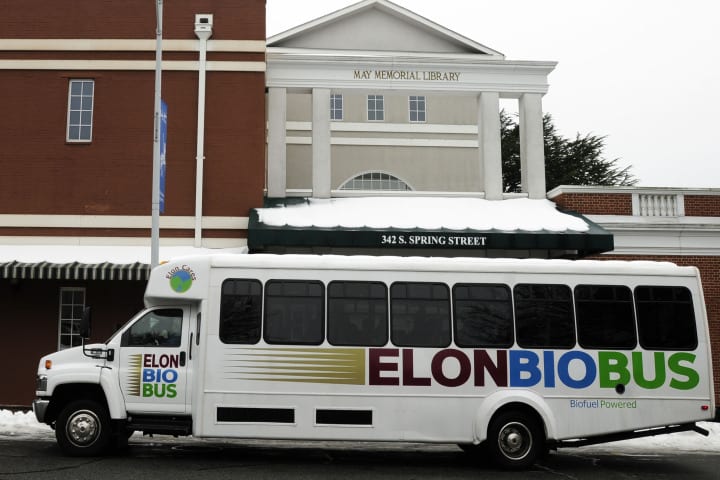
Photo credit: Elon University
[IMAGE]ElonBioBus2FULL.jpg[/IMAGE] A new bus route at Elon, N.C.-based Elon University puts students on the road to civic engagement.
The new route, the BioBus Downtown/East Burlington Express Loop, is part of a free bus system that takes students and the public from the campus student center into downtown Burlington, N.C.
“The new Downtown/East Burlington Express Loop is responding to the requests of community members, faculty, staff and students who need transportation to volunteer with local agencies,” said Mary Morrison, director of the Kernodle Center for Service Learning. “We want to provide an opportunity for more consistent interactions with our community.”
The route will also make volunteering easier for academic service learning and federal work study students who need transportation away from campus. Volunteer services that students can access by the new bus route for volunteer work include the American Red Cross, Meals on Wheels and Habitat for Humanity. Dozens of agencies are serviced by the loop.
Elon University’s BioBus made its first trek on the new route on Feb. 2, despite a snowstorm.
“[The new route] allows students to hop on at the student center and it takes them to different nonprofit community partners,” said Eric Townsend, spokesperson. The entire route is approximately one hour long, and runs four times a week from 2:30 p.m. through 5:30 p.m. on the hour.
The bus travels through downtown and the east Burlington area, where a number of agencies with long-standing ties to Elon University are located. “[The route] allows students who either don’t have cars or perhaps have trouble finding transportation to get out there to volunteer, and helps to reduce the traffic load,” he added.
Townsend explains that to create the route, organizers identified the safest and most convenient areas to place stops, enabling them to service the largest number of agencies.
In addition to individual students many faculty members in charge of service learning expressed interest in the route. “You have students who engage, learn and work in the community as part of their curriculum, and this offers a way not only for individual students to go out and explore different volunteer opportunities, but for classes themselves to organize, take trips together. We have students who don’t have cars on campus who are very civically engaged and are looking to explore different volunteer opportunities and we heard from them as well,” said Townsend.
Funding for the bus that runs along the route came from a federal grant. The Burlington City Council has also pledged support for the pilot project. No capital costs were involved, said Townsend, but the operational cost for the four-month pilot is approximately $17,000, which includes vehicle maintenance, fuel and driver wages. “We’re going to re-evaluate after the spring semester, to see if the demand does continue,” he added.
More Bus

Biz Briefs: STV teams with Amtrak, Motorcoach Operators Boost Fleet and Land Contracts, and More
From manufacturers and suppliers to transit agencies and motorcoach operators, these updates offer a snapshot of the projects, partnerships and business moves driving the industry forward.
Read More →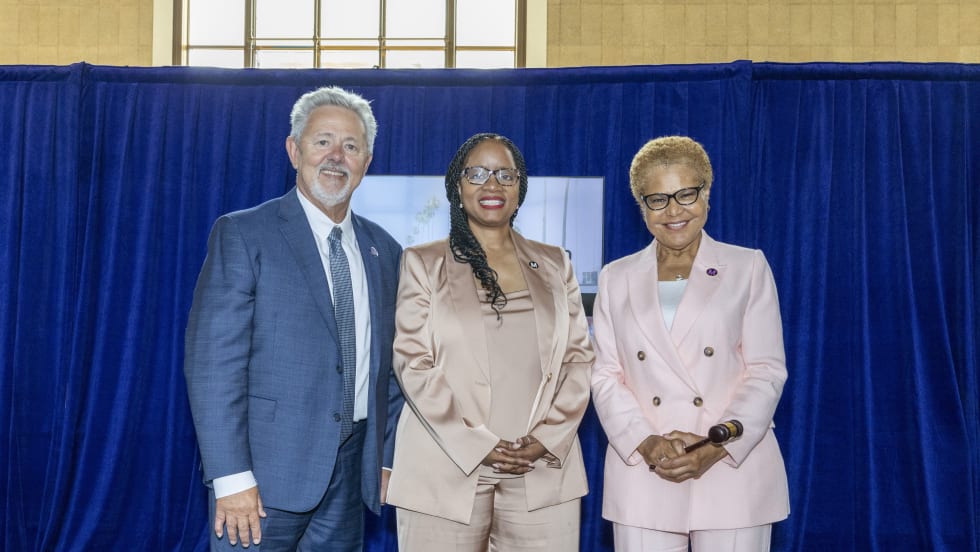
LA Metro Marks Banner Year, Sets Ambitious Goals for New Fiscal Year
Incoming LA Metro Board Chair and Los Angeles Mayor Karen Bass joined outgoing Board Chair Fernando Dutra and LA Metro CEO Stephanie Wiggins to review accomplishments from fiscal year 2026, which included the opening of new rail extensions, advancement of major transit projects, expanded safety programs, and new rider amenities.
Read More →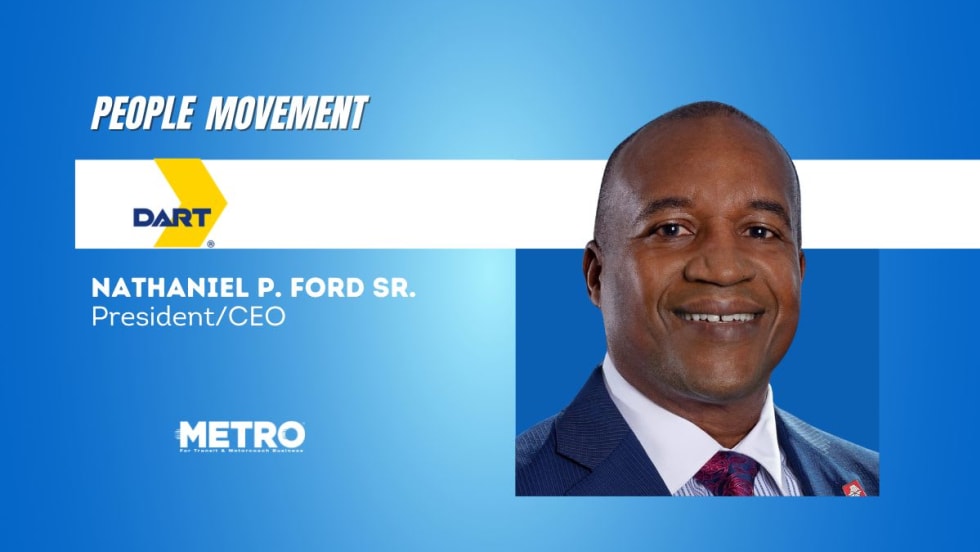
DART Taps Nathaniel P. Ford Sr. as Next President/CEO
Since 2012, Ford has served as the CEO of the Jacksonville Transportation Authority
Read More →
AC Transit’s Cecil Blandon on Building the Next Generation of Transit Maintenance Leaders
The agency’s maintenance chief discusses leadership, workforce development, zero-emission technology, and preparing technicians for the future of public transportation.
Read More →
Building the Next Generation of Transit Technology
In this edition of METROspectives, Luminator CEO Magnus Friberg discusses the company's transformation, the growing role of AI and software, and what's next for transit technology.
Read More →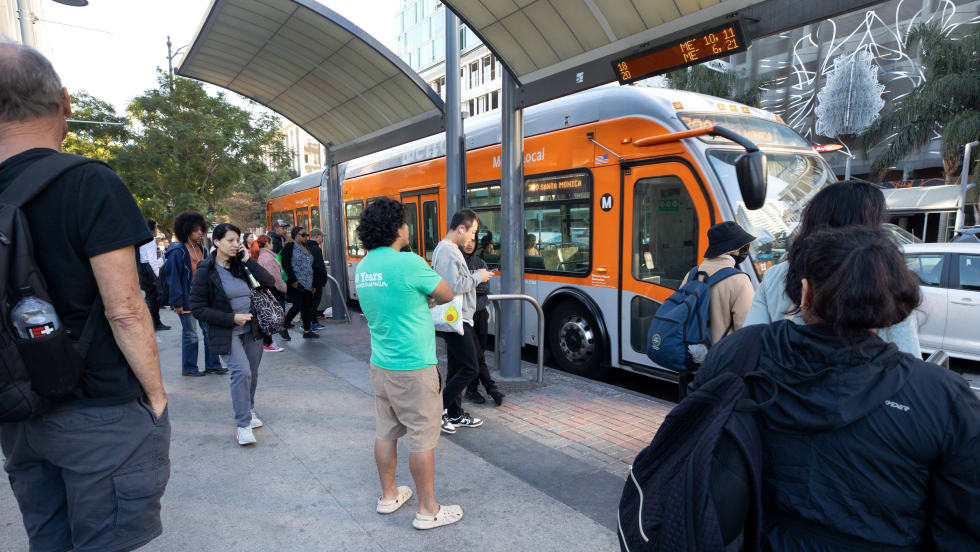
June LA Metro Ridership Surges 2 Million Year Over Year
Total June ridership increased for both weekdays and weekends. Weekday ridership was 953,820, which grew 8.4% from June 2025; Saturdays increased nearly 13% year-over-year to 708,826; and Sundays increased 7.7% to 611,534 from June 2025, according to LA Metro.
Read More →
Washington's Pierce Transit Board Sends Transit Funding Measure to November Ballot
With the adoption of Resolution 2026-006, the measure moves to the Pierce County Auditor, giving voters in the Pierce Transit service area the decision on whether to fund an expansion of local transit service within the agency’s service area.
Read More →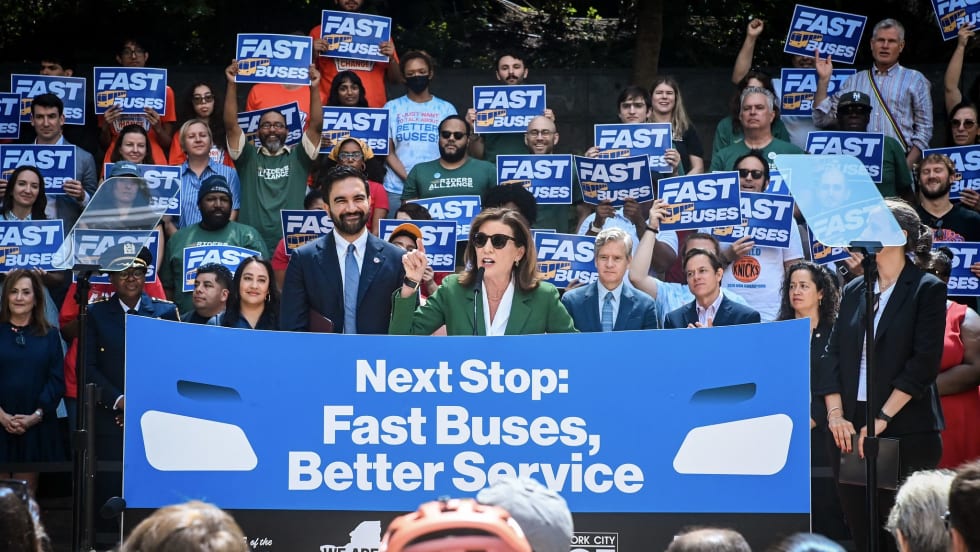
New York Unveils Sweeping Plan to Modernize City Bus Service
Next Stop: Fast Buses, Better Service identifies 50 priority bus corridors for improvements across the five boroughs and launches the City’s next generation of rapid bus service along five key routes.
Read More →
CTDOT Taps STV for Electric Bus Facility Design
The firm will work with CTDOT and RVT to define the facility layout, operational requirements, and long-term flexibility for RVT’s growing electric fleet.
Read More →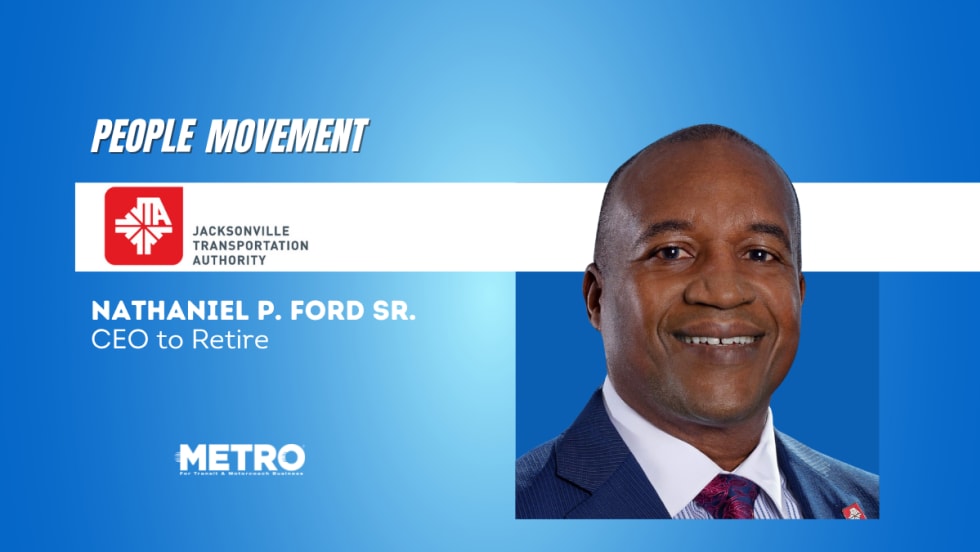
Ford to Leave JTA After More Than 10 Years as CEO
He plans to continue his work advancing innovative mobility solutions to improve the quality of life in communities across the nation. He did not announce specific plans.
Read More →