



<font color=red>Web Extra:</font> NC State named one of 'Top 5 Greenest Schools'
Universities were evaluated on factors such as renewable energy, alternative transportation, LEED/green building, recycling, environmental studies, green space and campus conservation and outdoor recreation.

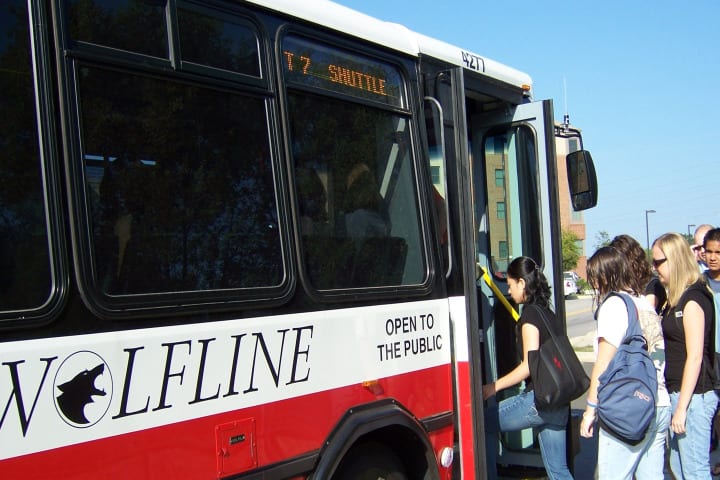
[IMAGE]NCStateWolfline2FULL.jpg[/IMAGE]Blue Ridge Outdoorsmagazine recently selected Raleigh, N.C.-based NC State University (NCSU) as one of its top five “greenest schools” in the Southeastern U.S.
Universities were evaluated on factors such as renewable energy, energy conservation, food, alternative transportation, LEED/green building, recycling, environmental studies, green space and campus conservation and outdoor recreation.
In particular, NCSU was chosen for the list because of its variety of alternative transportation options. The University offers free commuting options, including the “GoPass” a regional transit pass that is available to all students and staff to ride free on local Capitol Area Transit (CAT) and regional Triangle Transit (TT) buses and “WolfWheels,” a bike rental program that launched March 29.
NCSU’s Wolfline transit system fleet is comprised of 30 buses for the campus and operates 11 daytime and three evening routes. “There are three major Wolfline transit hubs on campus and approximately 100 total bus stops, both on and off campus. Wolfline is free and open to the public,” explained Alison Carpenter, transportation planner. In addition, she pointed out, Wolfline buses run on clean diesel.
The University campus also offers ample, covered bike parking at major buildings and parking areas, including several bike racks at high-volume bus shelters. Some campus buildings provide clothing lockers and shower facilities. While there are currently no bike racks on Wolfline buses, the University is researching options. CAT and TT buses do offer bike racks on all buses.
Currently, NCSU is planning to install at least one bike locker near a popular bus stop serving Wolfline, CAT and TT routes, said Caprenter. “Campus streets feature sharrow (shared lane) markings to raise awareness of bicycles on campus and the University's Campus Recreation Department recently debuted a campus bike rental program called WolfWheels,” she added.
As the system continues to evolve, the NCSU Transportation Office meets regularly with students, faculty and staff to discuss transit operations and other campus transportation logistics. The University's Physical Environment Committee (PEC) consists of students, faculty and staff, who meet monthly to analyze transit data and review recommended service upgrades or changes, as well as other transportation issues. The Transportation office often meets with student groups working on class projects, as well as groups representing special campus interests who may have concerns about transit service to their department or area of campus.
In addition, the transportation office works with other campus departments to coordinate transit service to class schedules each semester and keeps in contact with Student Government and Faculty/Staff/Student Senates on related issues. The Transportation department hires student interns (including an NCSU engineering student) to help conduct transit data analysis and other technical functions. Finally, special planning processes typically involve student, faculty and staff representatives on ad-hoc review committees.
Other schools that made the magazine’s Top 5 Greenest Schools in the Southeast list were Emory University and Georgia Tech University, both located in Atlanta, Durham, N.C.’s Duke University and Chapel Hill, N.C.-based University of North Carolina.
More Bus
Brian Dickson on Building Stronger, More Resilient Transportation Organizations
Bus Business Consultants Founder Brian Dickson discusses the leadership principles, operational discipline, and strategic planning that separate transportation companies positioned for long-term success from those stuck in survival mode.
Read More →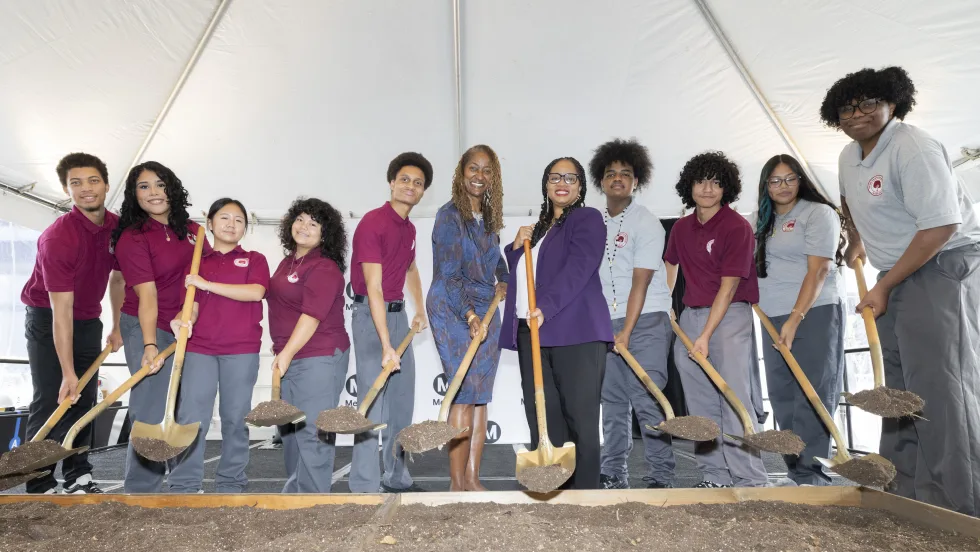
LA Metro Breaks Ground on Vermont BRT Project
The 12.4-mile corridor is projected to serve 66,200 daily riders, reduce travel times by up to 24%, and create the nation's busiest bus rapid transit corridor.
Read More →
Roman Cornell on ABC Companies’ Evolution and the Future of Passenger Transportation
The company’s CEO discusses carrying forward a third-generation family legacy, ABC’s continued evolution in passenger transportation, support for increasingly complex fleets, and how technology and continued investment could help operators improve uptime.
Read More →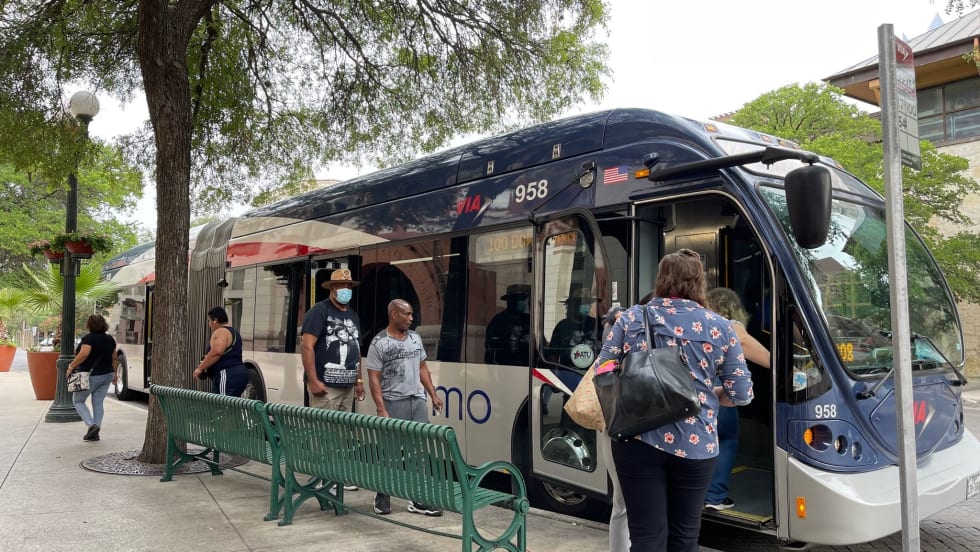
VIA Bus Ridership Grows 10.1% Through August 2026
San Antonio's VIA Metropolitan Transit reported the highest bus ridership growth among major Texas transit systems. Federal Transit Administration data ranked it second among the nation's 50 largest transit systems.
Read More →
LA Metro September Ridership Climbs 3.9%, Led by Rail Growth
The agency recorded more than 27.2 million boardings, with rail ridership increasing 12.4% year over year and the D Line posting the largest gains.
Read More →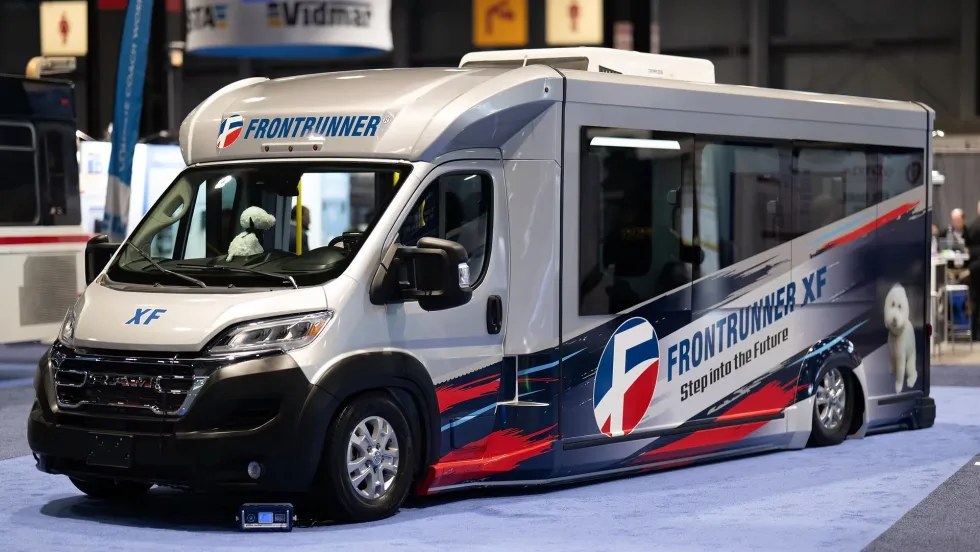
Frontrunner Bus Group Introduces XF Low-Floor Bus with Enhanced Accessibility
The new mid-sized bus features a full flat-floor design, eight-inch curbside step-in height, and zero-entry rear ramp to improve passenger access and operational flexibility.
Read More →
Scenes from APTA TRANSform & EXPO 2026
Transit leaders, manufacturers, and industry professionals gathered in Chicago to explore new technologies, share ideas, and discuss the future of public transportation.
Read More →
More Than a Summer Job: Building the Next Generation of Transit Talent
The Delaware River Port Authority and PATCO have transformed their internship program into a hands-on professional development experience that introduces students to the breadth of transportation careers — and creates a pipeline for future employees.
Read More →
LA Metro Board Awards 220 Battery-Electric Bus Contract to ENC
The contract, which is the largest base award of battery-electric buses by a U.S. transit agency, will be built in Southern California, sustaining good jobs as LA prepares to welcome the world in 2028
Read More →
Public Transit Conference Returning to GFX in 2027, Call for Papers Now Open
The Call for Papers is now open, allowing transit agency professionals and industry experts to help shape the PTC educational program by submitting session ideas for consideration.
Read More →