



<font color=red>Web Extra:</font> Princeton study suggests free shuttle system
Early in the process, the Community Transportation Coordination Initiative identified a series of goals, including creating a coordinated and integrated transit system in order to increase transit ridership and reduce dependence on motor vehicles

A recently completed 18-month study has possibly put Princeton, N.J. steps closer to implementing a free daytime shuttle bus that would serve the area, including Princeton University.
"The Community Transportation Coordination Initiative (CTCI) was a collaborative study by the two local municipalities and the University to identify existing shuttle and transit systems and to work to develop a plan to better integrate these systems where possible to create a broad community transportation network," explained Kristin Appelget, one if its University members.
Early in the process, CTCI identified a series of goals, including creating a coordinated and integrated transit system in order to increase transit ridership and reduce dependence on motor vehicles; reduce redundant services, improve connections between existing transit systems and identify gaps in service; provide increased and timely service to underserved population centers; and support community businesses, said Appelget.
CTCI also sought to set specific, measurable goals and keep the initiative simple.
"This group met with community stakeholders and local organizations who operate shuttle services, coordinated a survey of local residents who were thought to be individuals that would benefit from increased community transportation services, and consulted with local officials," Appelget said of the 18-month study.
The group also had Gannett Fleming assist in evaluating data collected and provide its expertise in developing shuttle routes, administrative models, capital plans, funding options and marketing plans.
The service that is suggested in the final report would complement the burrough's current FreeB shuttle service.
"While the FreeB was designed to operate during peak commuter hours and to link with the Princeton Train Station that connects to the Northeast Corridor Line in Princeton Junction, the community shuttle that is proposed in the study would operate during daytime, non-commuter, hours," Appelget explained. "In addition, the FreeB only operates on weekdays, and the study identified that some weekend service in the new shuttle route may be desired for weekend trips."
The estimated cost to run the service is approximately $113,000 per year, and plans include starting the service for a year or 18 months, with the hopes of continuing the service if it is successful. The next steps for the proposed free shuttle include investigating funding options and setting a launch goal, which will likely be in the fall of this year, according to a Town Topics report.
Princeton University has operated a campus shuttle system since 2005 and currently has approximately 740,000 rides on the system each year.
"Our campus shuttle is a key component of our Transportation Demand Management (TDM) programs that seek to reduce the number of single occupancy vehicle use," said Appelget. "Graduate students who live in campus housing are only given parking permits at their place of residence, and are they expected to use the campus shuttle for access to their study and campus work locations if distance precludes them from walking or biking."
In addition to its extensive campus shuttle system, Appelget added that Princeton University also supports carpools and vanpools, provides a mass transit subsidy and reimbursement plan, and works to improve bike and pedestrian facilities across the campus. The University also has a car sharing program — "WeCar" — as well as a bike loan program — "UBikes" — on campus.
More Bus

Improving Transit Safety and Reliability Through AI
Hayden AI’s Chief Growth Officer, Charley Territo, discusses how AI-powered camera enforcement is helping transit agencies keep bus lanes and stops clear, improve accessibility, and move from pilot programs to full-scale deployments.
Read More →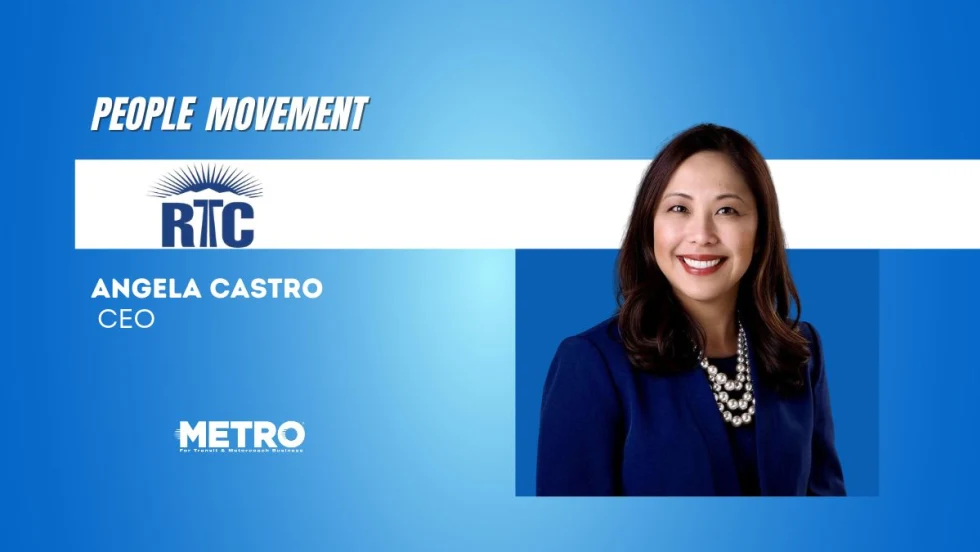
Castro to Lead RTC of Southern Nevada and More in People Movement
In this edition, we also cover recent appointments and announcements at the STV, MCI, and more, showcasing the individuals helping to shape the future of transportation.
Read More →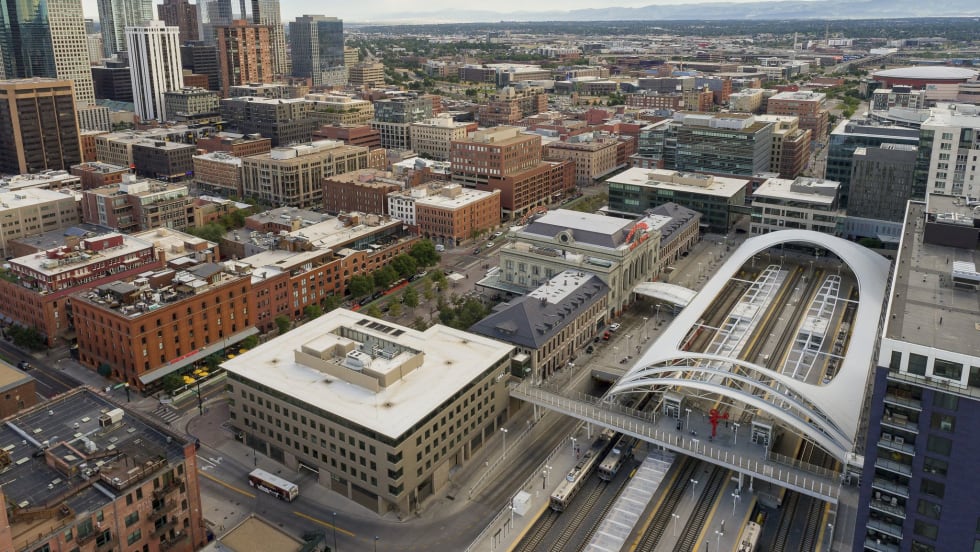
Study: Denver RTD Generates $2.1 Billion in Annual Economic Activity
An economic impact study finds the agency supports approximately 17,500 jobs, delivers $1.6 billion in annual community and mobility benefits, and generates $2.42 in economic value for every dollar invested.
Read More →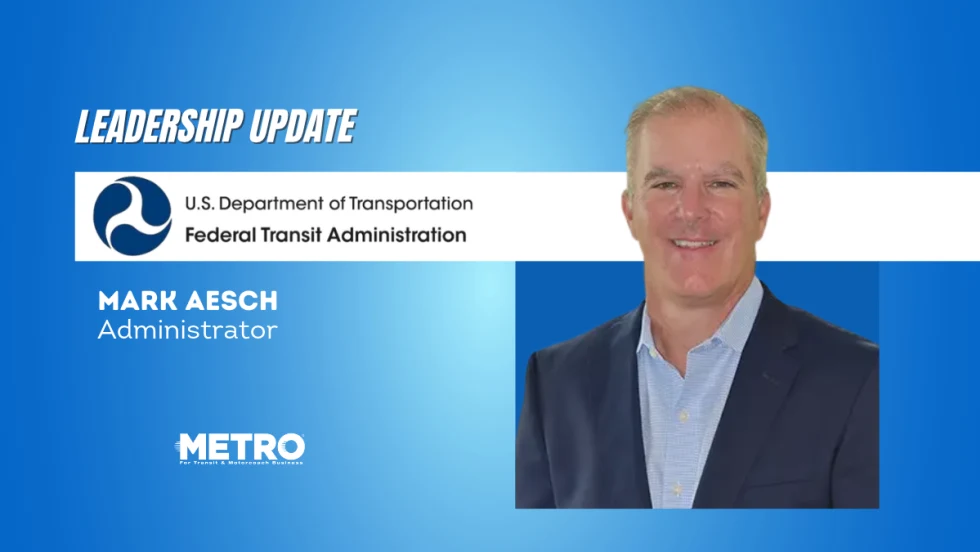
Mark Aesch Nominated to Lead Federal Transit Administration
The former Rochester transit chief and TransPro founder, who has also contributed to METRO Magazine, brings decades of industry experience and a focus on performance, accountability, and financial sustainability to the nomination.
Read More →
Pierce Transit Moves to Expand Fleet Following Proposition 1 Approval
The agency authorized the purchase or refurbishment of up to 60 buses to support a 47% service expansion, as voters nationwide approved billions in new transit funding.
Read More →
Transit Expands Agency Partnerships, Reaching 200 Official App Partners
COO Jake Sion discusses Transit’s growth, the success of its Transit Royale program, and how technology is helping agencies improve the rider experience.
Read More →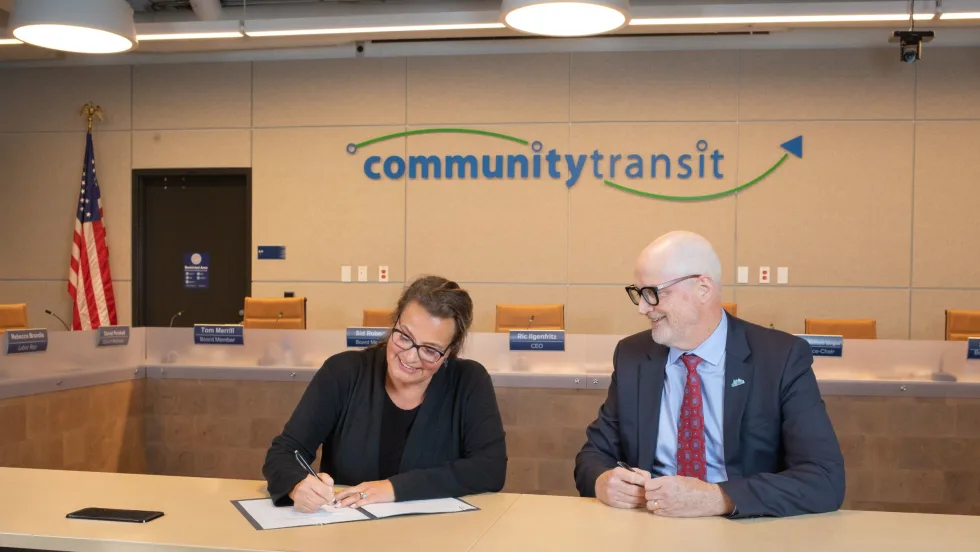
Everett Transit, Community Transit Approve Consolidation of Services
The agreement will bring Everett Transit into Community Transit’s network in April 2027, with plans to increase bus service by 50% by 2031 and expand regional connections.
Read More →
Brian Dickson on Building Stronger, More Resilient Transportation Organizations
Bus Business Consultants Founder Brian Dickson discusses the leadership principles, operational discipline, and strategic planning that separate transportation companies positioned for long-term success from those stuck in survival mode.
Read More →
LA Metro Breaks Ground on Vermont BRT Project
The 12.4-mile corridor is projected to serve 66,200 daily riders, reduce travel times by up to 24%, and create the nation's busiest bus rapid transit corridor.
Read More →
Roman Cornell on ABC Companies’ Evolution and the Future of Passenger Transportation
The company’s CEO discusses carrying forward a third-generation family legacy, ABC’s continued evolution in passenger transportation, support for increasingly complex fleets, and how technology and continued investment could help operators improve uptime.
Read More →