



FRA launches automated inspection vehicles
Inspection rate will triple to 100,000 miles of track each year.

Two new custom-built inspection vehicles equipped with state-of-the-art technology to help identify track flaws that could lead to train derailments are now in service, the Federal Railroad Administration (FRA) announced this week.
FRA Administrator Joseph H. Boardman explained that the new automated track inspection vehicles, known as the T-19 and the T-20, increase the FRA's fleet to five and are primarily used on high-volume rail lines that carry hazardous materials and passenger trains.
The new vehicles measure track geometry flaws such as whether two rails are level, if the width between the rails is acceptable, and if the shape of each rail meets federal standards to avoid derailments. The measurements are recorded in real-time and at operating speed. Problem areas are identified by GPS location and shared immediately with the railroad so corrective actions can be taken in a timely manner, Boardman said.
Acquiring and deploying the inspection vehicles is a major component of the FRA National Rail Safety Action Plan, which focuses on the most frequent, highest-risk causes of train accidents to mitigate potential safety risks.
More Rail
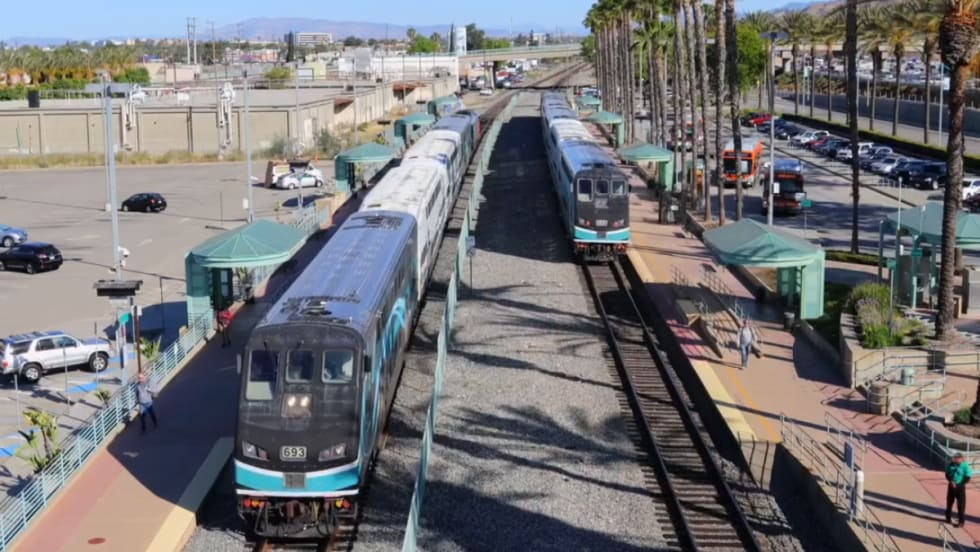
Southern California’s Metrolink Approves $508.8M Budget, Avoids Service Cuts
A $20 million state allocation allows the regional rail agency to maintain existing weekday and weekend service through fiscal year 2028, although longer-term funding challenges remain.
Read More →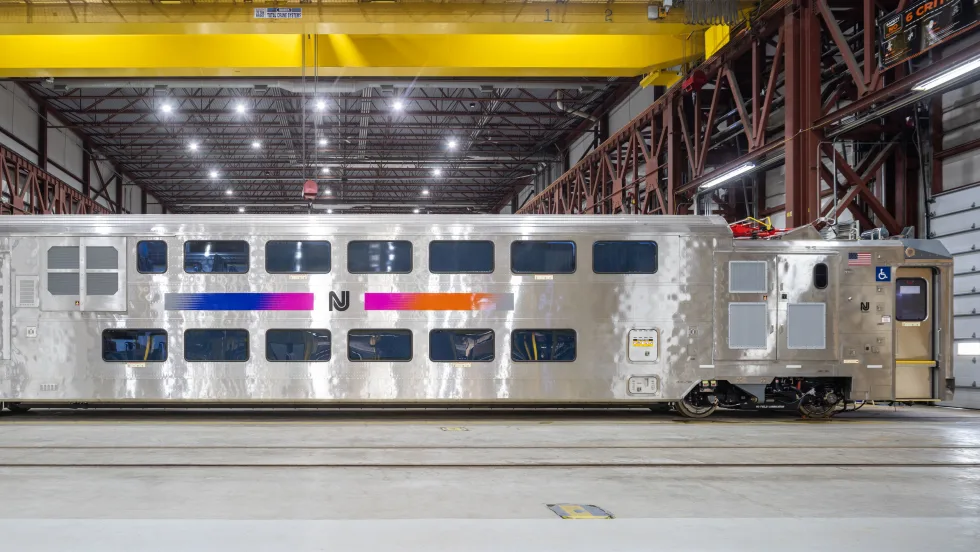
NJ TRANSIT Approves $65.6M for Hudson-Bergen Light Rail Improvements
The funding marks the first phase of a planned $250 million investment over five years to modernize stations, overhaul vehicles, and improve system reliability and passenger safety.
Read More →
STraffic Expands North American Presence with Fare Collection Technology
John Moon, Associate Director, Product Strategy at STraffic, discusses the company's growth in North America, its efforts to reduce fare evasion, and more.
Read More →
Study: Denver RTD Generates $2.1 Billion in Annual Economic Activity
An economic impact study finds the agency supports approximately 17,500 jobs, delivers $1.6 billion in annual community and mobility benefits, and generates $2.42 in economic value for every dollar invested.
Read More →
Mark Aesch Nominated to Lead Federal Transit Administration
The former Rochester transit chief and TransPro founder, who has also contributed to METRO Magazine, brings decades of industry experience and a focus on performance, accountability, and financial sustainability to the nomination.
Read More →
Transit Expands Agency Partnerships, Reaching 200 Official App Partners
COO Jake Sion discusses Transit’s growth, the success of its Transit Royale program, and how technology is helping agencies improve the rider experience.
Read More →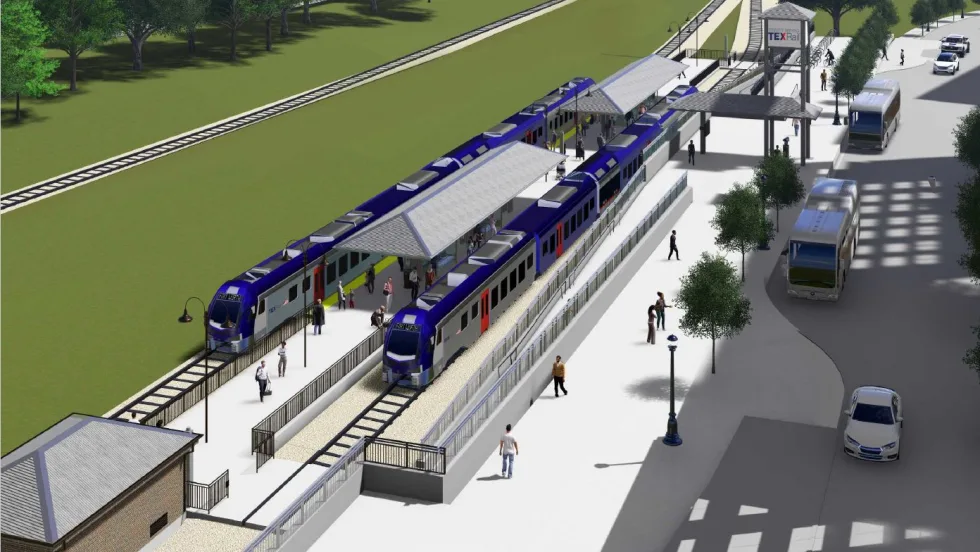
Trinity Metro Breaks Ground on $270M TEXRail Extension
The 2.1-mile extension will connect Fort Worth’s Medical District and Near Southside to downtown, surrounding communities, and Dallas-Fort Worth International Airport.
Read More →
Bringing Austin’s First Light Rail System to Life
Austin Transit Partnership CEO Greg Canally discusses the city's nearly 10-mile light rail project, its collaborative approach to project delivery, the importance of community engagement, and the milestones ahead as construction approaches in 2027.
Read More →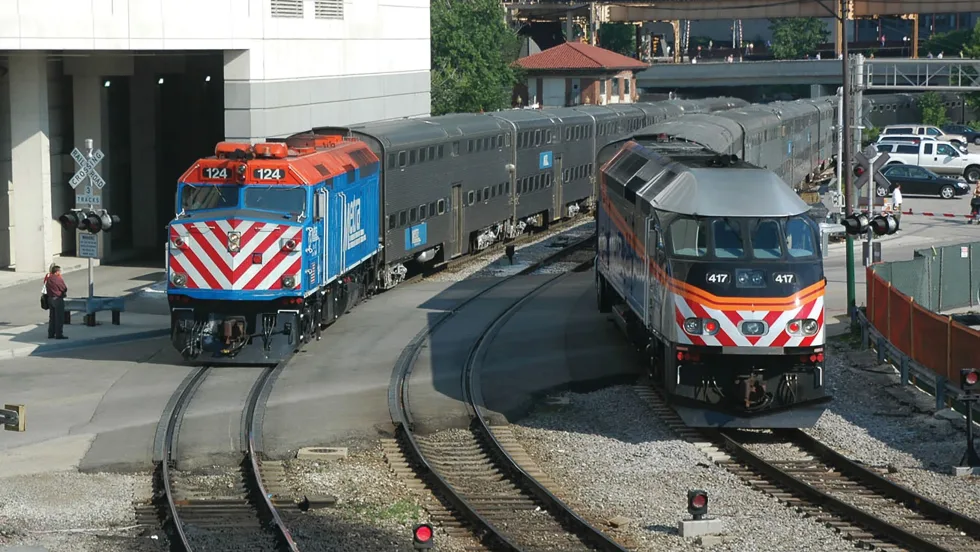
Metra Draft Plan Outlines Costs, Service Improvements for Regional Rail
The Systemwide Network Plan identifies infrastructure needs and potential investments to expand all-day, bidirectional rail service across the Chicago region.
Read More →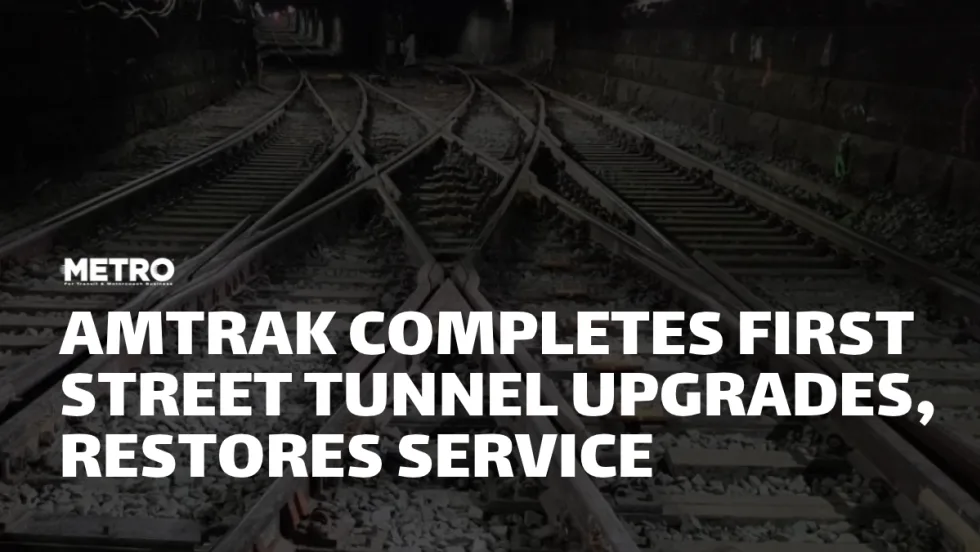
Amtrak Completes First Street Tunnel Upgrades, Restores Service
The nine-day construction project included replacing aging track infrastructure and modernizing switch systems near Washington Union Station.
Read More →