




Read More: FTA Proposes New Requirements to Improve Transit Worker Safety
FTA Announces Grants for Research to Improve Bus Safety
Recipients will demonstrate technologies that reduce bus collisions, improve facility operations, and improve the accessibility and efficiency of service.
June 8, 2023

Many of the projects include workforce analysis and training activities to address how automation may impact existing jobs and help operators and maintenance workers develop new skills.
Photo: Canva
2 min to read
The U.S. Department of Transportation’s Federal Transit Administration (FTA) announced $11.6 million to support six transit bus automation research projects that will improve safety, efficiency, and accessibility on the road and in bus maintenance yards.
Examples of projects include strategies for avoiding collisions with pedestrians, improved emergency braking, and precision movement for bus fueling, charging, and maintenance.
“Advancements in technology can go a long way toward creating a safer and more efficient transit system,” said FTA Administrator Nuria Fernandez. “The innovative research projects we are funding represent an important step toward integrating state-of-the-art automation technology into real-world settings, helping transit agencies protect their operators and riders as well as vulnerable road users.”
As part of the programs, recipients will demonstrate technologies that reduce bus collisions, improve facility operations, and improve the accessibility and efficiency of service.
Many of the projects include workforce analysis and training activities to address how automation may impact existing jobs and help operators and maintenance workers develop new skills.
FTA Selects Automation Projects
Among the selected automation projects:
CapMetro in Austin, Texas, will receive nearly $950,000 to integrate vehicle automation in an advanced yard management system and run heavy-duty vehicle demonstrations at its operations facility. The project includes a bus automation workforce analysis to address how bus yard automation may impact existing roles and create demand for new positions.
Connecticut Department of Transportation will receive $2 million to expand an FTA-sponsored transit automation program along the CTfastrak bus rapid transit corridor. The project will incorporate collision avoidance, precision docking assist, and more to enhance safety and accessibility throughout the CTfastrak local bus network.
The University of Alabama will receive $2 million to test automation technologies for large transit buses using a lab simulation environment and real-world tests to demonstrate the cost-effectiveness and equity impacts of the technology.
Pinellas Suncoast Transit Authority will receive nearly $893,000 to test retrofitting a bus to operate autonomously. This will allow for routing bus yard tasks to be done more efficiently, such as automated parking and recall.
Virginia Polytechnic Institute and State University will receive more than $4.5 million to publicly demonstrate and collect data on forward automatic breaking, pedestrian collision avoidance, and more to enhance safety for buses.
Colorado Department of Transportation will receive more than $1.2 million to demonstrate ADAS technology in three retrofitted buses that serve critical rural transit routes.
More Security and Safety

Transit Agencies Highlight Safety Gains at National Summit
Leaders from 15 major transit systems shared crime-reduction results and safety initiatives while discussing the role of continued federal support.
Read More →
DART Launches Major Security, Fare Enforcement Initiative
The 90-day demonstration will deploy coordinated security teams at five light rail stations while testing controlled access and gathering data to guide future investments.
Read More →
RTD Launches NextRide App to Consolidate Trip Planning, Fares, Security Reporting
The app expands on RTD’s existing NextRide web application and allows customers to view real-time vehicle locations and service alerts, purchase and store digital fares, and access customer support.
Read More →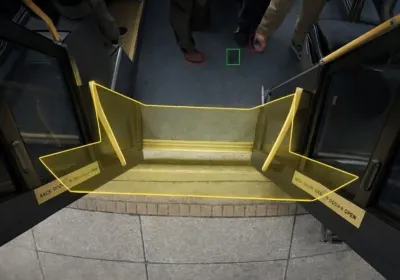
TAPTCO Updates OSHA Compliance Training for Transit Maintenance Operations
The revamped program addresses 26 OSHA standards for maintenance facilities, with TAPTCO pointing to training, documentation, and everyday shop hazards as continuing challenges for transit operations.
Read More →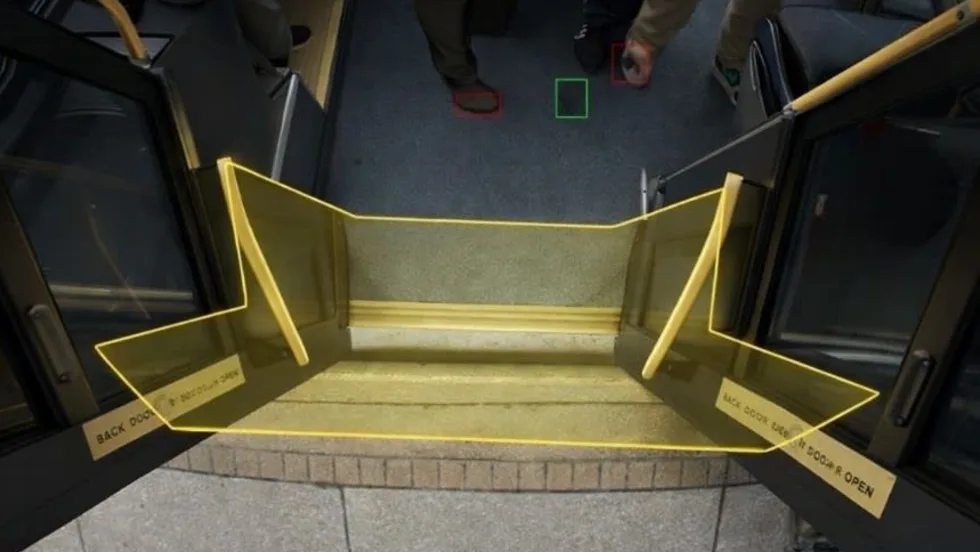
Sponsored•August 18, 2026
How VaporVision Adds Value to Transit Door Systems
Wabtec engineers explain how the system improves doorway detection, strengthens diagnostics and gives transit agencies and OEMs greater operating flexibility.
Read More →
FRA Announces $5.3B in Rail Investments, Including $2B for Amtrak
Funding will support grade-crossing improvements, infrastructure upgrades, and new Amtrak equipment in 23 states.
Read More →
Chicago, Maryland Expand Non-Law-Enforcement Safety, Rider Support
The CTA and MTA are launching new programs aimed at de-escalation, crisis response, rider assistance, and greater transparency.
Read More →
LA Metro, City of West Hollywood, and Partners Advance Smarter Bus Lane Enforcement
The award-winning partnership combines AI-powered detection with human oversight to improve bus reliability, accessibility, and enforcement efficiency.
Read More →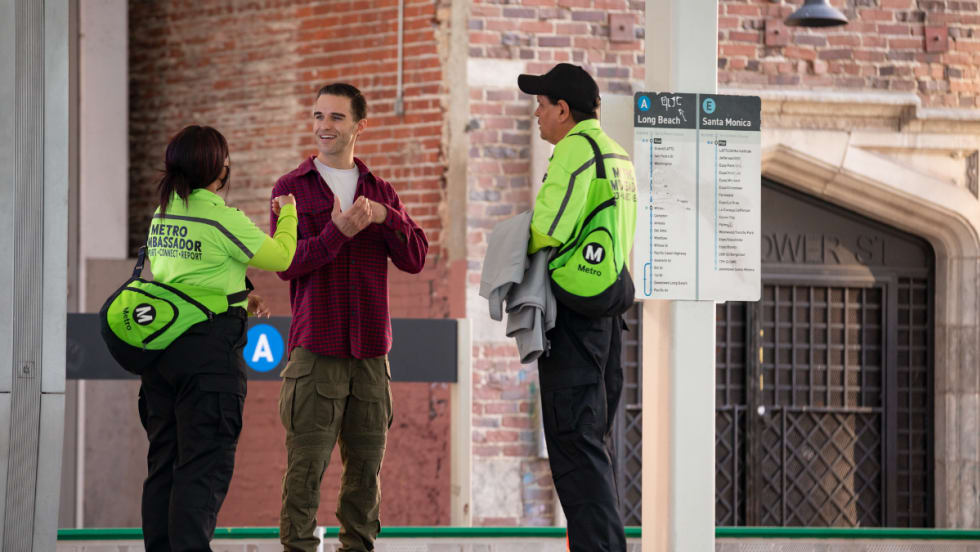
LA Metro Reports 57% Decline in Homelessness on Transit System Since 2024
The agency's latest homelessness count offers new data on how care-based services and cross-sector partnerships can complement traditional transit security strategies.
Read More →
FTA Launches 'Transit Moves America' Dashboard to Highlight Agency Safety and Performance
The online dashboard transforms National Transit Database information into a public-facing resource that allows users to compare transit agencies on key operational and safety metrics.
Read More →