



FTA Seeking Input on New Training Requirements to Improve Rail Safety Oversight
The FTA is seeking public comment for rail transit and state safety oversight agency personnel to help maintain effective, ongoing safety training for the industry.

FTA’s proposed changes to the Public Transportation Safety Certification Training Program regulation would expand training requirements and streamline administrative processes.
Photo: FTA
The U.S. Department of Transportation’s Federal Transit Administration (FTA) announced a proposed update to the Public Transportation Safety Certification Training Program regulation that would build upon existing training requirements for safety professionals in rail transit agencies and ensure that the training curriculum is more responsive to evolving industry needs.
“Public transportation is the safest mode of surface transportation, but it can be even safer for both passengers and transit workers,” said FTA Administrator Nuria Fernandez. “We want every subway, light rail, and streetcar rider to feel confident the workers in charge of safety are trained effectively to carry out their important roles.”
FTA's Proposed Changes
The proposed changes in the NPRM would expand refresher training requirements for mandatory participants and allow for greater flexibility in the curriculum to address changing industry training needs.
The NPRM would also streamline administrative requirements to help ensure individuals who serve in designated roles are enrolled in the program and complete training requirements on time.
The FTA is seeking public comment for rail transit and state safety oversight agency personnel to help maintain effective, ongoing safety training for the industry.
FTA’s proposed changes to the Public Transportation Safety Certification Training Program regulation would expand training requirements and streamline administrative processes.
The proposed changes to the training program were published in the Federal Register in a Notice of Proposed Rulemaking (NPRM).
The certification training program sets requirements for safety professionals in rail transit agencies, such as workers in agency safety departments and oversight functions and staff at state safety oversight agencies.
The NPRM builds upon the FTA Public Transportation Safety Certification Training Program Final Rule, which established a uniform curriculum for safety oversight training by including minimum requirements to enhance the technical proficiency of those who conduct safety audits and examinations and those directly responsible for safety oversight.
This program complements safety training requirements for rail and bus transit workers in the Public Transportation Agency Safety Plans regulation.
Stakeholders will have 60 days to submit comments to the Federal Register comment docket.
More Security and Safety
What Transit Maintenance Facilities Should Know About Gas-Detection Placement
Proper gas-detector placement is critical to maintaining safety in transit maintenance facilities, requiring agencies to consider fleet fuel types, ventilation, shop operations, and ongoing equipment maintenance.
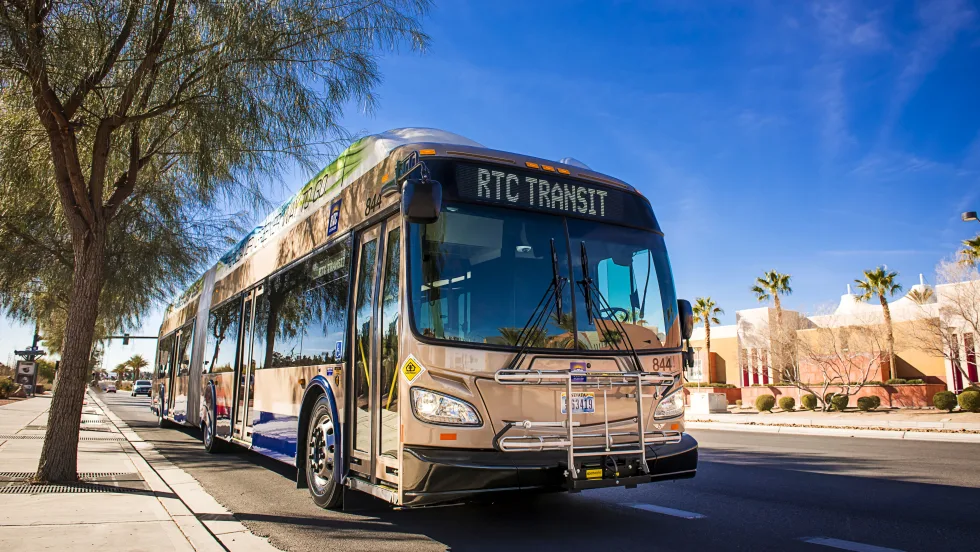
RTC Reports Nearly 29% Drop in Transit Operator Assaults
The Las Vegas agency credits expanded security measures, training, and technology for improved safety in FY 2026, while security officers have helped save 19 lives through overdose-response efforts.

Improving Transit Safety and Reliability Through AI
Hayden AI’s Chief Growth Officer, Charley Territo, discusses how AI-powered camera enforcement is helping transit agencies keep bus lanes and stops clear, improve accessibility, and move from pilot programs to full-scale deployments.

Study: Denver RTD Generates $2.1 Billion in Annual Economic Activity
An economic impact study finds the agency supports approximately 17,500 jobs, delivers $1.6 billion in annual community and mobility benefits, and generates $2.42 in economic value for every dollar invested.

SEPTA Launches 'Reach' Program to Connect Vulnerable Individuals with Support
The initiative deploys specialists throughout Philadelphia’s transit system to connect individuals with housing, healthcare, and social services while addressing safety and quality-of-life concerns.
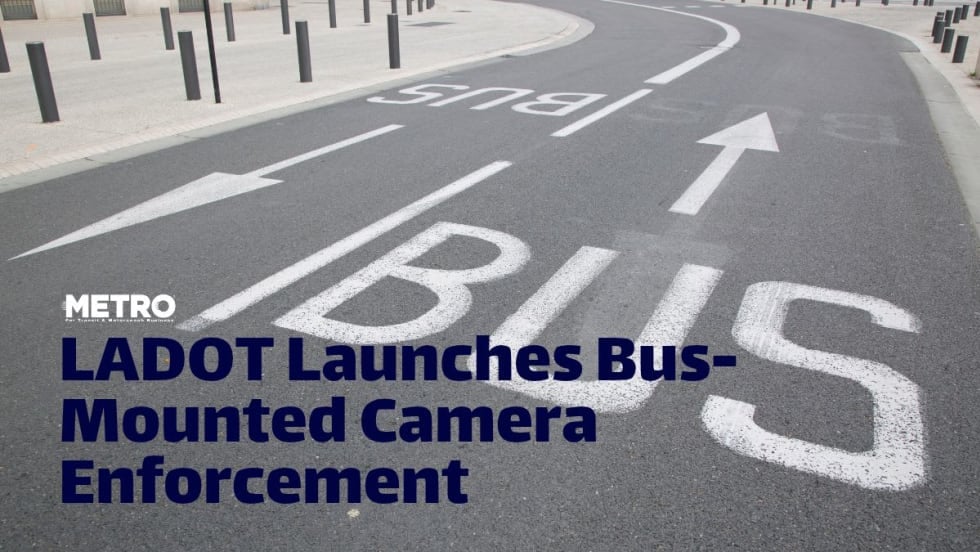
LADOT to Launch Bus-Mounted Camera Enforcement on DASH Buses
The program will begin with a 60-day warning period before citations are issued in January 2027, joining similar efforts across Southern California to improve bus reliability, safety, and accessibility.
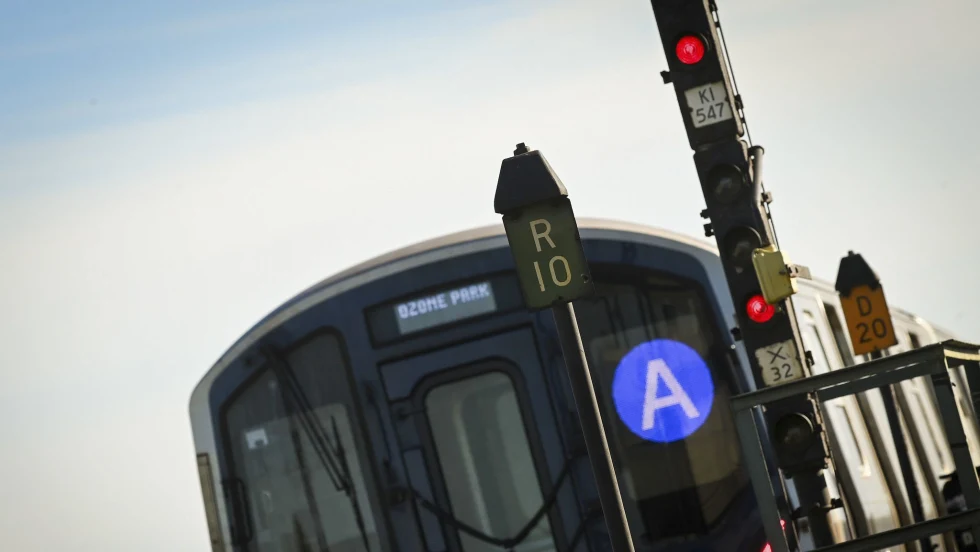
New York MTA Launches Historic $1.9B Signal, Track Modernization Project
Funded in part by congestion pricing revenue, the project will replace nearly century-old signals along the A and C lines in Brooklyn and Queens.
CSA Group Releases Climate Resilience Standard for Transit, Passenger Rail
Developed with support from the Standards Council of Canada, CSA D700 guides assessing climate-related risks and planning adaptation measures for transit and passenger rail systems.
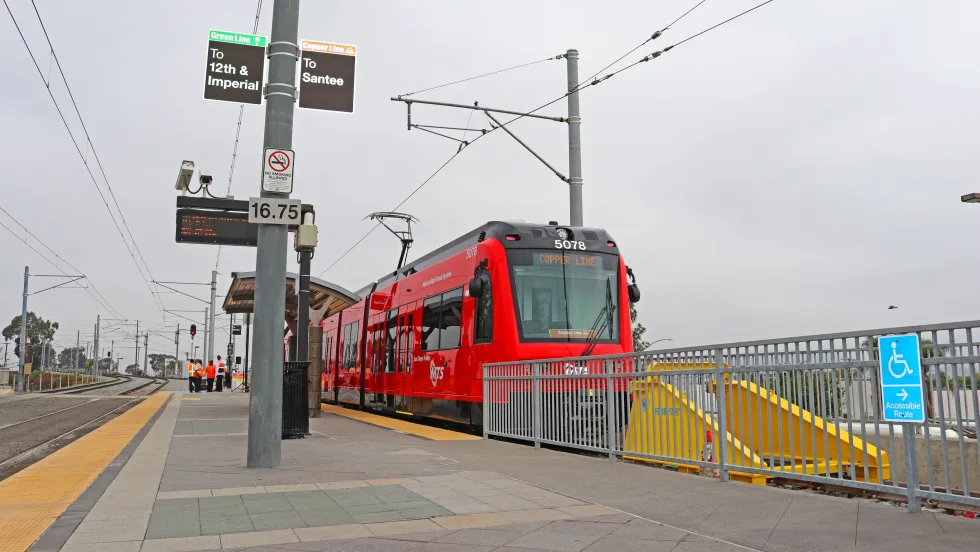
San Diego MTS Approves New Fare Evasion Penalty Program
The new administrative process will move eligible violations out of the criminal court system, cap penalties at $125, and provide flexible payment options for riders.

RTC of Southern Nevada Reports 29% Drop in Transit Operator Assaults
The agency credits expanded security measures, employee training, and technology investments for improvements in transit safety, while security officers have responded to 19 suspected overdoses since July.